Cincy Magazine: Growing mental health resources still needed

The height of the COVID-19 pandemic highlighted the need for expanded mental health resources, and the need remains, according to Shana Feibel, MD.
Feibel, assistant professor of clinical psychiatry & behavioral neuroscience in the University of Cincinnati College of Medicine and a psychiatrist at the Lindner Center of Hope in Mason, spoke with Cincy Magazine about current mental health resources and needs.
"What I’m seeing is COVID, the acute phase of the pandemic, is no longer in crisis. We’re not totally in crisis with COVID as we were before, but mental health still is in a crisis, and that comes from a variety of factors,” Feibel told Cincy Magazine. “We have people who have worked from home that are now just getting back to in-person, especially teachers, and it’s a whole new thing for them, again, and we see a lot of overwhelmed, anxious people.
“There’s a lot of people who don’t have the resources," Feibel continued. "So, there are a lot of people who are still suffering. There’s a lot of ways we’re trying to help them, but it’s still problematic. So, I would say there’s a huge part of the population that’s not being seen by mental health professionals."
Read the Cincy magazine article.
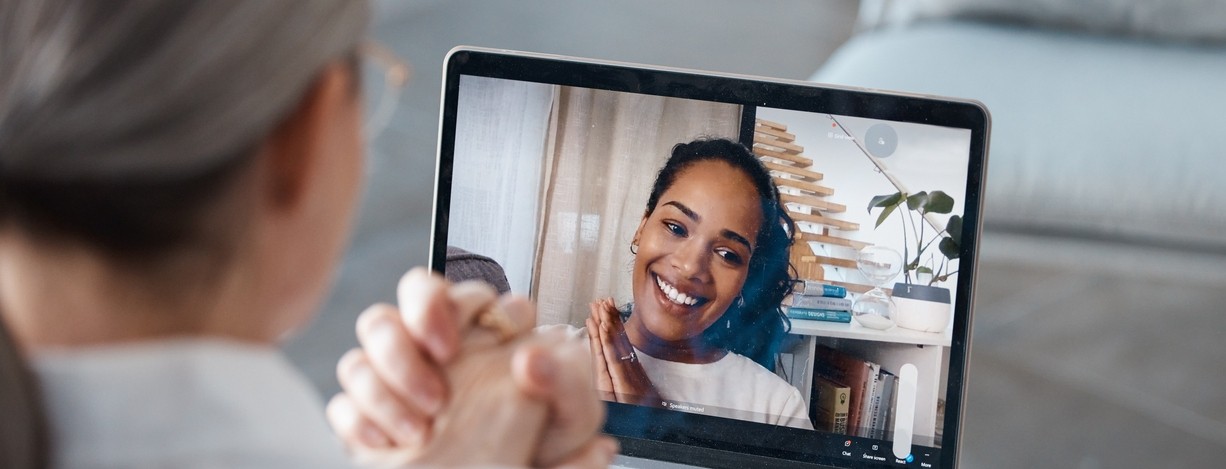
Featured photo at top of telemental health appointment. Photo/PeopleImages/iStock.
Related Stories
These teeny spiders are social media stars
August 28, 2026

The New York Times turned to a University of Cincinnati professor to explain the appeal of jumping spiders on social media.
An internal divide among unions on AI impacts the Wisconsin gubernatorial race
August 28, 2026

Anne Lofaso, a professor in the Donald P. Klekamp College of Law at UC, spoke with Wisconsin Public Radio, about the schism among unions over AI and whether it is a plus, a negative, or somewhere in between when looking at job creation.
On-site training in Speech & Hearing Clinic sets UC’s programs apart
August 27, 2026
At the University of Cincinnati’s Speech & Hearing Clinic, Doctor of Audiology and Speech-Language Pathology graduate students gain real-world experience while providing free speech and hearing services to the community.