
Bloomberg: Finding work-life balance
UC professor says individual preferences are key to flourishing

There's not just one right way to achieve work-life balance, rather, it's a matter of personal preference, a professor in the University of Cincinnati's Carl H. Lindner College of Business told Bloomberg.
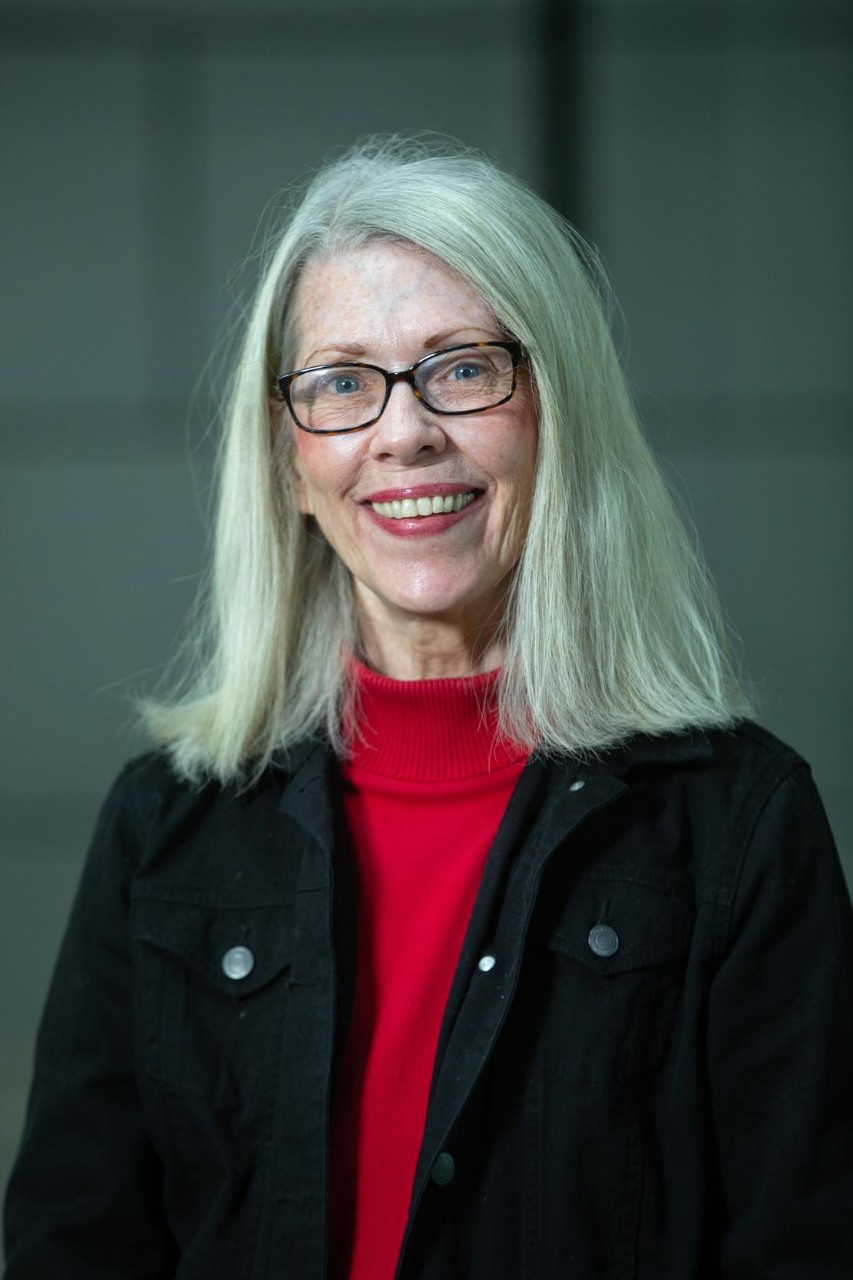
Elaine Hollensbe
Academics such as Elaine Hollensbe, PhD, a professor in the Department of Management, identify two main ways that people approach work: “integrators,” who prefer a seamless blend between work and life, and “segmenters,” who prefer clearer boundaries.
“A lot of this comes down to individual preference,” Hollensbe said, adding most people fall somewhere in between the two.
While achieving work-life balance might seem like an individual responsibility, Hollensbe said, employers also share some responsibility. She suggested it's wise to give employees a choice in how they want to integrate or segment their work and personal lives, when possible.
“There's more of this idea of how do we get to flourishing versus how do we get to balance,” Hollensbe said.
Featured image at top: Photo/Bruno Cervera on Unsplash
The future of work series
Related Stories
UC partners join communitywide effort to improve outcomes for children and families
September 24, 2026

WLWT Channel 5 covered a signing agreement ceremony for the newly formed Hamilton County Child & Family Systems Partner Collaborative dedicated to working more efficiently together to reduce barriers for families, connect them with support early on and improve delivery of services. UC Corrections Institute and the Donald P. Klekamp College of Law are among the organizations part of the collaborative.
UC part of $18 million initiative to expand behavioral health workforce in Ohio
September 23, 2026

The University of Cincinnati is participating in a new $18 million statewide scholarship program, as Cleveland.com recently reported, to address critical shortages of mental health and substance use treatment providers across Ohio.
Is Cincinnati building new homes fast enough?
September 22, 2026

Gary Painter, professor and academic director of the Real Estate Center at UC's Lindner College of Business, offers comments on affordability issues in Cincinnati.