UC study: ‘GPS’ seed devices effective in localizing breast tumors
SmartClips improve efficiency, patient comfort, expert says

University of Cincinnati Cancer Center researchers found a seed device that acts as a GPS for surgeons to locate and remove breast and lymph node tumors was safe and effective.
The feasibility study evaluating the use of the devices, called SmartClips, was recently published in the journal The American Surgeon.
UC’s Jaime Lewis and her colleague Elizabeth Shaughnessy helped test the SmartClip devices as they were being developed.
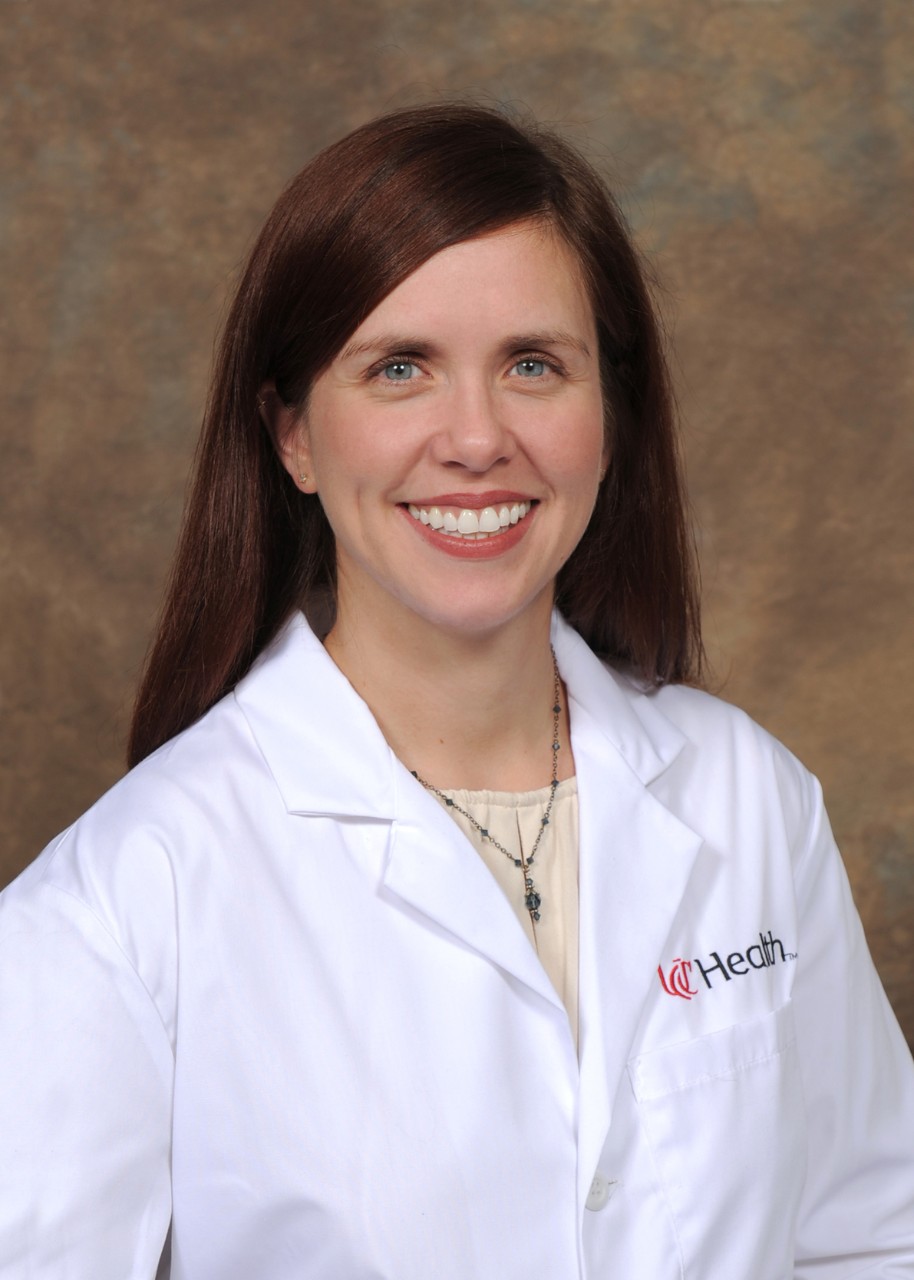
Jaime Lewis, MD. Photo/University of Cincinnati.
“We went a few times and saw the different prototypes, worked with them, and provided feedback. Then we were one of the first institutions to use the SmartClips when they became commercially available in 2020,” said Lewis, a Cancer Center physician-researcher and associate professor of surgery in the UC College of Medicine. “Now, I’ve done more surgeries than any other surgeon with the SmartClip.”
The research team reviewed 100 patients whose tumors were marked, or localized, using SmartClips. Lewis said using SmartClips was equivalent in aiding surgeons in localizing and removing the tumor compared to the traditional technique using a needle and wire and may be safer when used to mark lymph node tumors for excision.
The traditional needle and wire technique is typically done on the day of surgery and can be cumbersome and uncomfortable for patients. SmartClips can be implanted at any time prior to surgery, and Lewis said surgeons can quickly learn the technique needed to use them in the operating room.
Patients definitely seem to be happier, I think surgeons are happier, the radiologists are happier, and it makes the flow of patients through procedures much better.
Jaime Lewis, MD
“The patient doesn’t have this needle and wire coming out of their breast that we’re trying to work around the day of surgery that may limit our ability to use a certain incision,” Lewis said. “There’s always a risk when patients are undergoing localization that they can pass out. So if the localization is performed on a different day, we reduce the need to cancel their surgery and delays in localization don’t slow down the progress of the day.”
Lewis said using SmartClips improves efficiency since radiologists can schedule the implantation when it works best for them, and then the day of surgery is also shorter.
“Most people prefer two visits rather than one very long day, and they like the idea of not having the needle and wire sticking out,” she said. “But I think the real benefits from my perspective are the facilitation of the operative schedule and not interfering with the surgeons’ choice of incision.”
SmartClips are one of a number of devices, including radioactive, radiofrequency and magnetic seeds, that have been introduced to better localize breast tumors. Lewis said the move to these new devices and eliminating the wire and needle technique is a positive development for patients and clinical teams, though a full cost-benefit analysis should be conducted in the future.
“There’s still some technical glitches with it, but I do think that a device like this or another iteration of the future is definitely where we should go,” she said. “Patients definitely seem to be happier, I think surgeons are happier, the radiologists are happier, and it makes the flow of patients through procedures much better. There are some improvements that could be made, but getting rid of needles and wires will help with a number of those things.”
Screening is key
Early detection of breast cancer increases treatment options and survival rates. The University of Cincinnati Cancer Center's Mobile Mammography Unit is equipped with the latest in mammogram screening technology and offers a comfortable registration area, waiting space and private changing room.
Screenings typically take 15 minutes, with results sent to providers within 1-3 business days.
Other study authors include Elizabeth Shaughnessy, MD, PhD; Leah Hefelfinger; Alexander Doherty; Rifat Wahab, DO; and Lauren Rosen, MD. The authors declare no relevant conflicts of interest and have no financial interests with Elucent, the company that makes SmartClips.
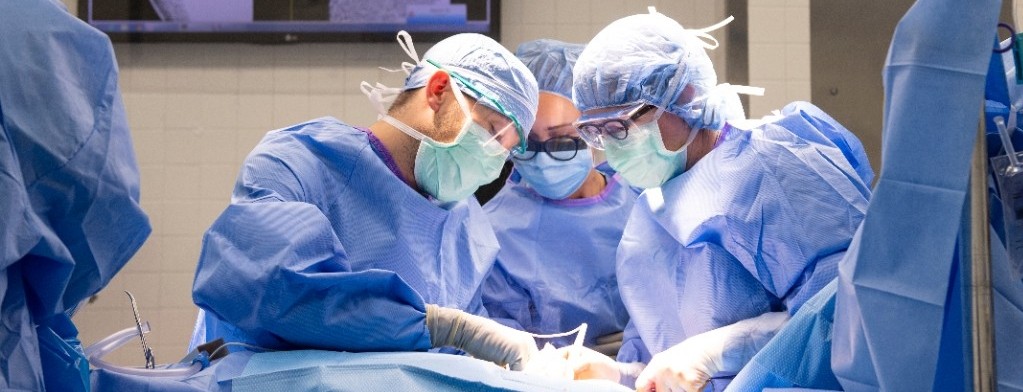
Featured photo at top of University of Cincinnati Cancer Center breast cancer surgeons working in the operating room. Photo/Colleen Kelley/UC Marketing + Brand.
Related Stories
UC named a best employer in Ohio by Forbes
August 14, 2026

Forbes ranks the University of Cincinnati No. 24 on its 2026 America’s Best Employers By State list for Ohio, recognizing UC’s strong workplace culture and employee experience.
Mistakes to avoid when shopping for a product dupe
August 13, 2026

The University of Cincinnati’s Kelly Dobos was featured in an AARP article discussing ways to determine if “dupe” cosmetic products really are comparable to the more expensive name brand.
Ancient warming event hints at potential climate tipping point
August 12, 2026

Researchers say a spike in temperatures during an ice age 304 million years ago could inform what climate scientists are learning about rapidly changing conditions today.