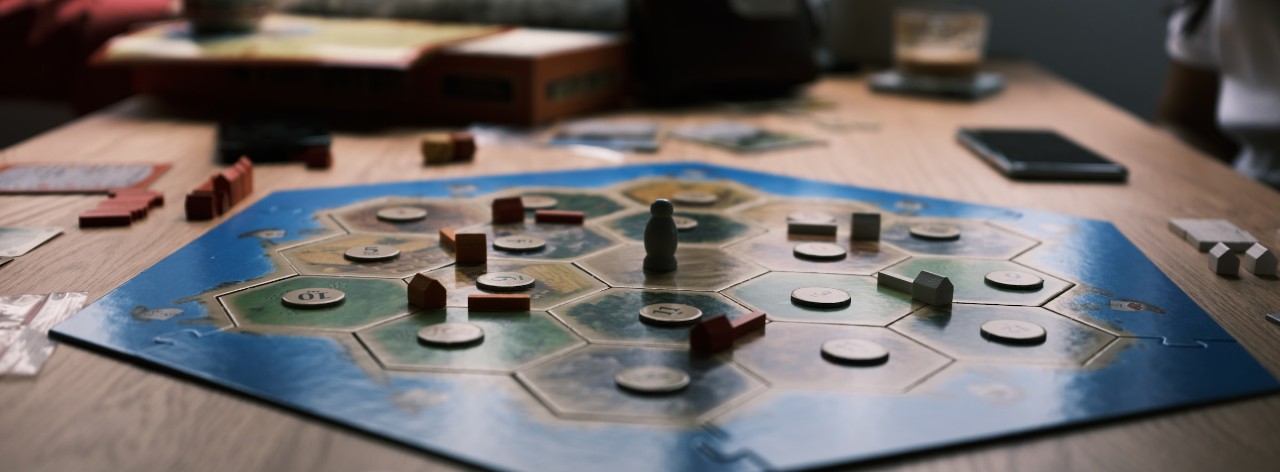
Pittsburgh Post-Gazette: In board games, players find fun, challenge and each other
UC German studies faculty cited in article on the newfound popularity of board games

According to an article on play, while board gaming in the U.S. was already on the rise pre-pandemic, the trend exploded during the 2020 lockdowns.
Board gaming over the prior century, however, still lagged behind European-style board gaming, says Evan Torner, associate professor of German Studies at the University of Cincinnati and author of “Analog Game Studies.”
Torner is cited in the article as saying that European style games such as Catan, designed in Germany in 1995, moved the needle on board gaming in the U.S.
“Suddenly, comics and hobby game stores weren’t moribund places, but packed full of board games that would actually sell.”
Featured image at top courtesy of Unsplash/Crout
Impact Lives Here
The University of Cincinnati is leading public urban universities into a new era of innovation and impact. Our faculty, staff and students are saving lives, changing outcomes and bending the future in our city's direction. Next Lives Here.
Related Stories
UC expert offers advice to Cincinnati on climate change
August 14, 2026

In an op-ed, UC Associate Professor Bob Hyland talks about ways Cincinnati can become more resilient in face of climate change.
UC named a best employer in Ohio by Forbes
August 14, 2026

Forbes ranks the University of Cincinnati No. 24 on its 2026 America’s Best Employers By State list for Ohio, recognizing UC’s strong workplace culture and employee experience.
Mistakes to avoid when shopping for a product dupe
August 13, 2026

The University of Cincinnati’s Kelly Dobos was featured in an AARP article discussing ways to determine if “dupe” cosmetic products really are comparable to the more expensive name brand.