Smithsonian: Ancient Maya ballcourt may have been blessed
UC researchers collect clues about ceremonial practices using environmental DNA

Smithsonian magazine highlighted the University of Cincinnati's discovery of a collection of plants used in ceremonial rituals beneath a ballcourt in the ancient Maya city of Yaxnohcah in Mexico.
Using environmental DNA analysis, researchers identified plants known for their religious associations and medicinal properties beneath a plaza floor upon which a ballcourt was built.

UC Professor David Lentz. Photo/Andrew Higley/UC Marketing + Brand
Researchers said the ancient Maya likely made a ceremonial offering during the ballcourt’s construction.
UC's team partnered with Mexico's National Institute of Anthropology and History in collaboration with researchers from the University of Calgary, the Autonomous University of Campeche and the National Autonomous University of Mexico.
Their findings could provide clues about the ritual life of the ancient Maya.
UC Professor Emeritus Nicholas Dunning collected a sample of sediment at the base of a sidewall. Here, in a place known as the Helena complex, researchers believe stood a civic ceremonial platform consisting of 1-meter-high stone and earth.
An environmental DNA analysis identified plants associated with ancient Maya medicine used in divination rituals such as a morning glory called xtabentun and chile peppers.
“I think the fact that these four plants which have a known cultural importance to the Maya were found in a concentrated sample tells us it was an intentional and purposeful collection under this platform,” UC botanist and study co-author Eric Tepe said.
Lentz also spoke to the National Science Foundation podcast the Discovery Files about his team's discoveries at Yaxnohcah.
“One thing we did at that site was improve our techniques with environmental DNA, so we were able to get a lot of information from that new technology,” Lentz said.
Lentz said the ancient Maya relied on stored water from reservoirs to survive during seasonal dry periods. Lentz said often the Maya would use plaster or clay to line the reservoirs to prevent water from draining into the porous limestone.
“One of the biggest takeaways is the Maya are an excellent distant mirror for our own activities,” Lentz said.
Lentz said the ancient Maya faced environmental crises much like our own with water pollution, deforestation and mercury contamination.
“I think our society can learn a lot from studying the Maya. To understand the present, you should understand history and that goes for prehistory, too,” Lentz said.
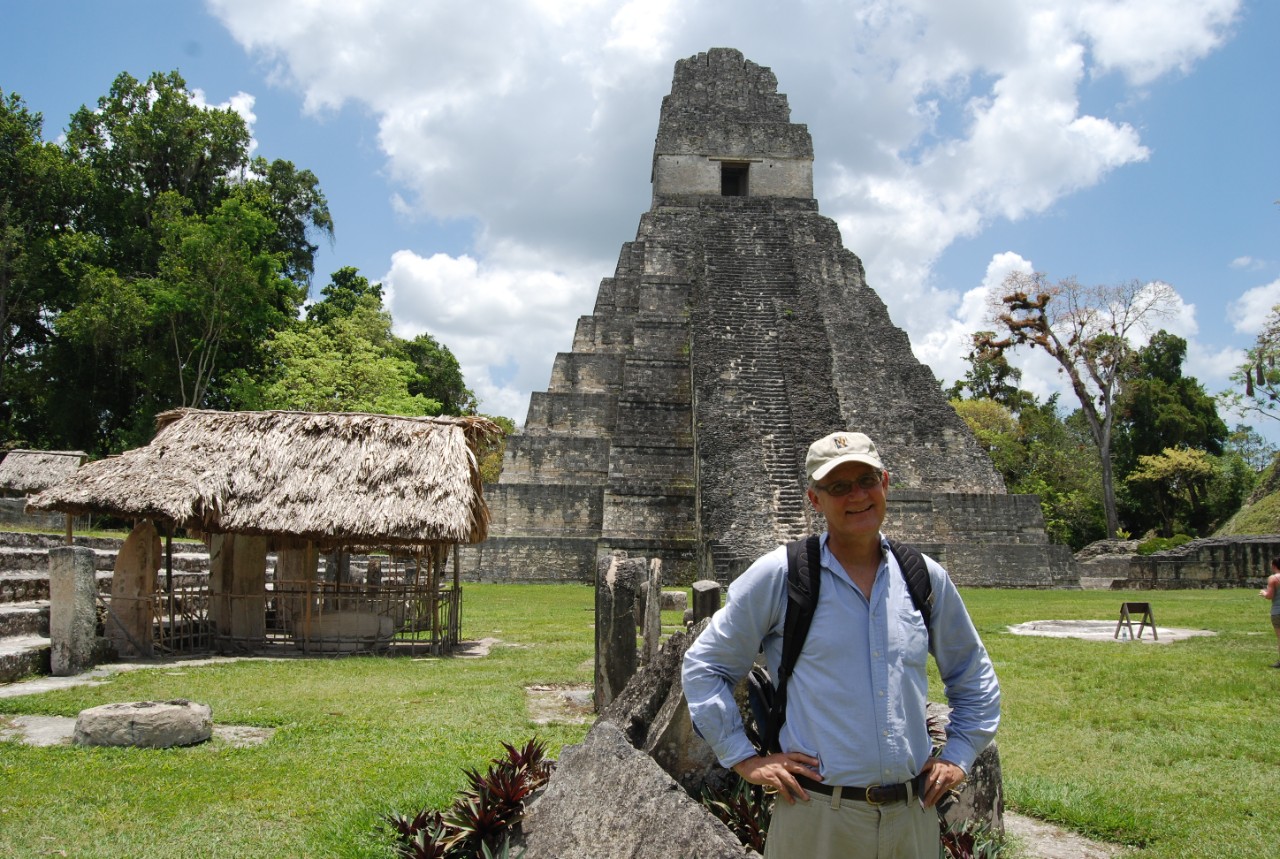
Featured image at top: UC Professor David Lentz poses in front of a temple in the ancient Maya city of Tikal. Photo/Liwy Grazioso Sierra
UC's ancient Maya research in the news
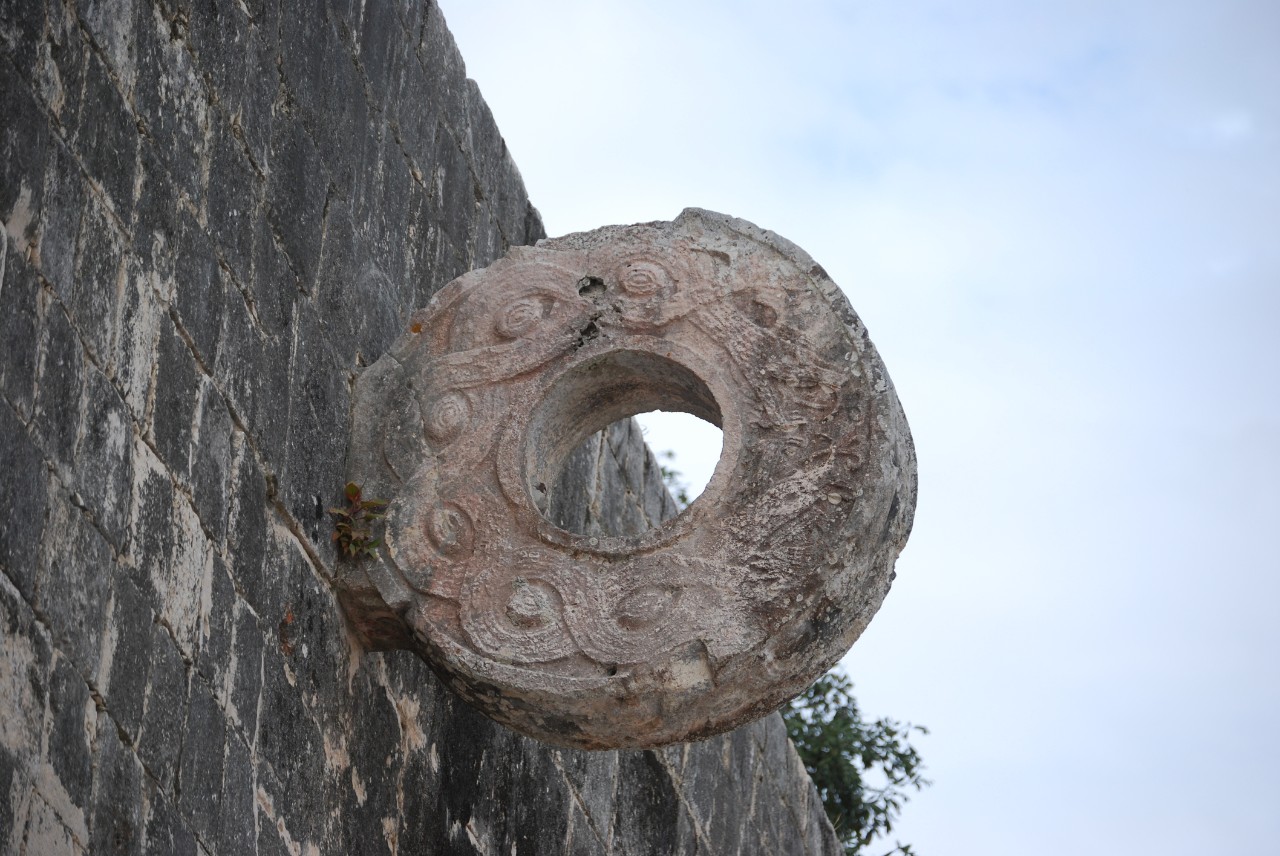
A decorative ring made from carved stone is embedded in the wall of a ballcourt in the ancient Maya city of Chichen Itza. Photo/LanaCanada
- Popular Science: Plants detected in ancient Maya ballcourts point to a sacred spot
- Live Science: Traces of hallucinogenic plants and peppers found at Maya ballcourt suggest rituals took place there
- Science Daily: Ancient Maya blessed their ballcourts
- Cosmos Magazine: Mayan ballgames were played on blessed grounds
Related Stories
Cancer Center plays key role in lab research, clinical trials for new pancreatic cancer drug
September 1, 2026

WLWT and WCPO highlighted the contributions of University of Cincinnati Cancer Center researchers that helped lead to the recent FDA approval of daraxonrasib, a new treatment for pancreatic cancer.
An expert pieced together this Roman document like a puzzle
September 1, 2026

National media highlighted a new project by UC Classics Assistant Professor Matthijs Wibier to piece together and translate an ancient Roman text from fragments buried in the desert for more than 1,600 years.
Her book drive is changing literacy in Cincinnati
August 31, 2026

WCPO highlights a nonprofit dedicated to childhood literacy that has offers co-op positions to UC students.