Deal will cut prices of 10 of Medicare’s costliest drugs
UC economist says deal could result in huge savings for individuals

Americans with Medicare Part D prescription coverage and taxpayers are expected to save billions of dollars as a result of a deal the federal government struck with pharmaceutical companies, WLWT reported.
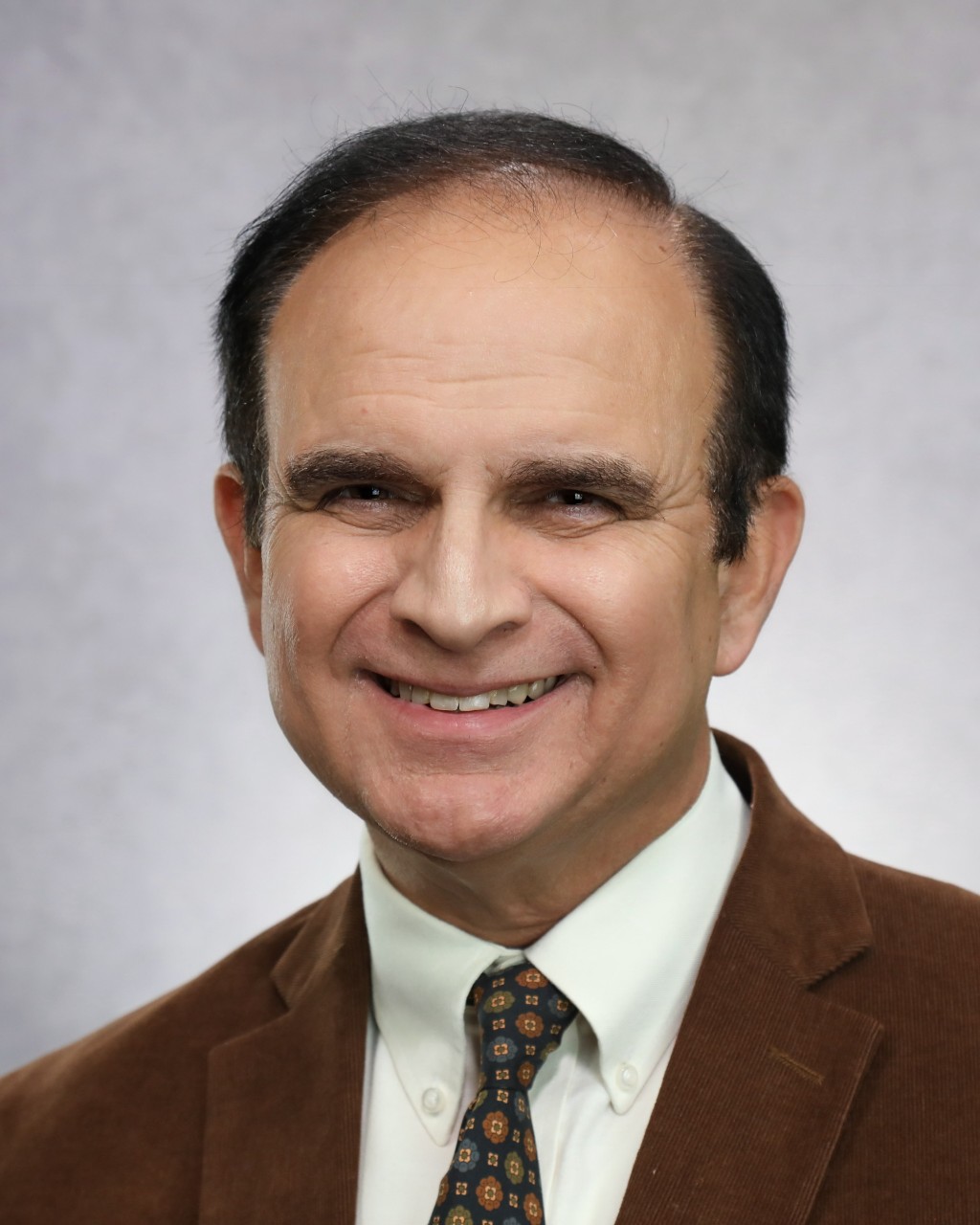
Erwin Erhardt
The government and pharmaceutical companies have agreed to reduce the prices of 10 of Medicare’s costliest drugs. The price cuts will take effect in 2026 and could lower costs for seniors by hundreds or even thousands of dollars a month.
“These are drugs that are used for more serious, very serious illnesses, actually — like blood cancer, heart disease, diabetes; arthritis is in there, too,” said Erwin Erhardt, PhD, an associate professor - educator in the economics department of the University of Cincinnati’s Carl H. Lindner College of Business.
Blood thinners Xarelto and Eliquis and diabetes drugs Jardiance and Januvia are among the drugs whose prices are slated to be cut.
“It's going to result, hopefully, in some huge savings for seniors 65 and older,” Erhardt said.
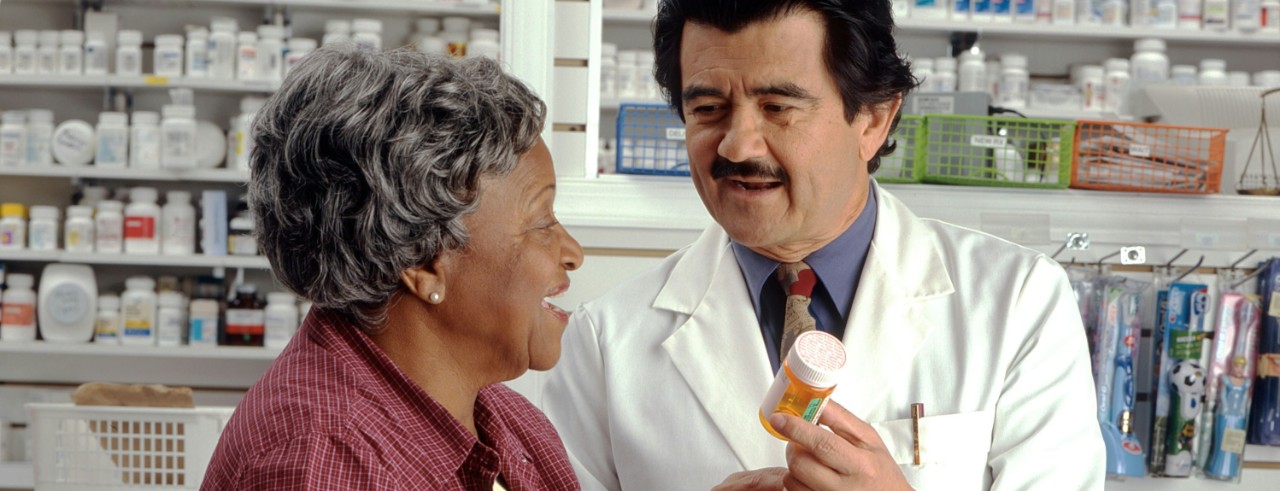
Featured image at top: A pharmacist explains a woman's prescription to her. Photo/Rhoda Baer, National Cancer Institute via Unsplash
Impact Lives Here
The University of Cincinnati is leading public urban universities into a new era of innovation and impact. Our faculty, staff and students are saving lives, changing outcomes and bending the future in our city's direction. Next Lives Here.
Related Stories
Cancer Center plays key role in lab research, clinical trials for new pancreatic cancer drug
September 1, 2026

WLWT and WCPO highlighted the contributions of University of Cincinnati Cancer Center researchers that helped lead to the recent FDA approval of daraxonrasib, a new treatment for pancreatic cancer.
An expert pieced together this Roman document like a puzzle
September 1, 2026

National media highlighted a new project by UC Classics Assistant Professor Matthijs Wibier to piece together and translate an ancient Roman text from fragments buried in the desert for more than 1,600 years.
Cancer Center physician receives $150,000 New Investigator Research Grant to study treatment-resistant leukemia
September 1, 2026
The University of Cincinnati Cancer Center’s Sarah Skuli, MD, PhD, received a two‑year, $150,000 Leukemia Research Foundation New Investigator Grant to study TP53‑mutated leukemia, a treatment‑resistant subtype with very poor outcomes.