UC course turns students into digital archivists
Innovative public history project allows students to act as local historians
Emma Hynes went through undergraduate school planning on becoming a professor. As far as Hynes was aware, that was one of the only jobs pursuable with a history degree.
While the prospect of teaching was interesting, it wasn’t until Hynes took Intro to Public History with Rebecca Wingo that different visions of future careers really began to blossom.
Over the course of the semester with Wingo, Hynes and other students participated in Public History in the Wild — a project that allows students to conduct hands-on archival work with historical sites they encounter in everyday life.
The project began in 2018, Wingo’s first semester teaching in the College of Arts and Sciences at UC.

Rebecca Wingo. Photo/Provided
Wingo and Lindsey Passenger-Wieck, a fellow Public History professor at St. Mary’s University in San Antonio, took part in what they refer to as “The Great Syllabus Swap.”
Upon realizing that they each taught the Intro to Public History course on opposite semesters, they would workshop the syllabus together: Wingo would use it for one semester, tweak what didn’t work for the students, and send it back to Passenger-Wieck, who would then do the same. Together, they built the Public History in the Wild program.
To participate in the project, students create 100-word blurbs akin to museum labels describing everyday places and things they encounter.
“It encourages students to look up, see the world and start questioning the things around them that we might otherwise take for granted,” Wingo says. “The whole idea behind the class is to figure out where and how the public encounters history. That's not always in museums and archives, It's out in the world.”
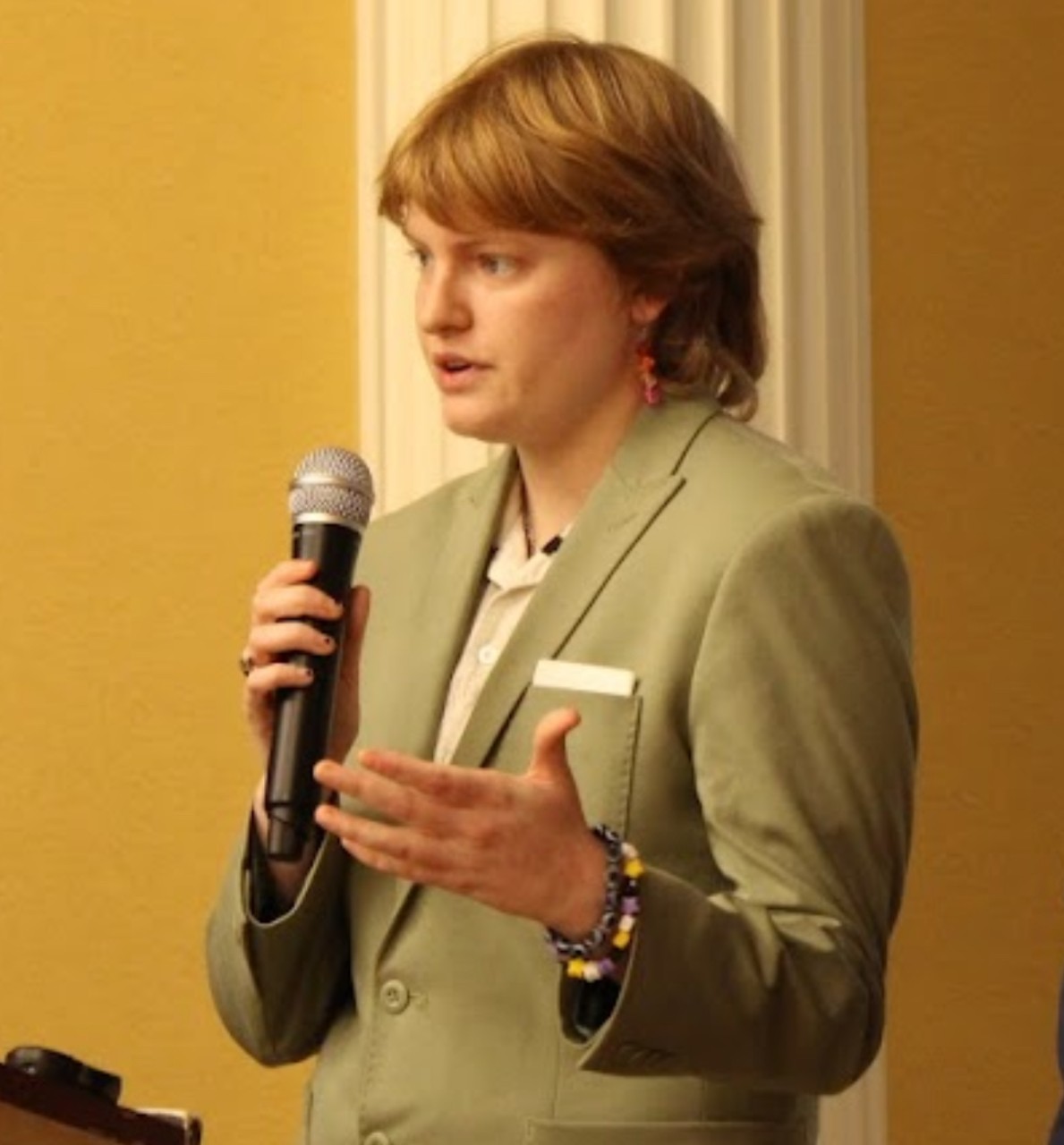
Emma Hynes. Photo/ Provided
Hynes is now a graduate student with a concentration in public history. They credit the Public History in the Wild project with sparking their interest in the everyday history that exists all around us in Cincinnati.
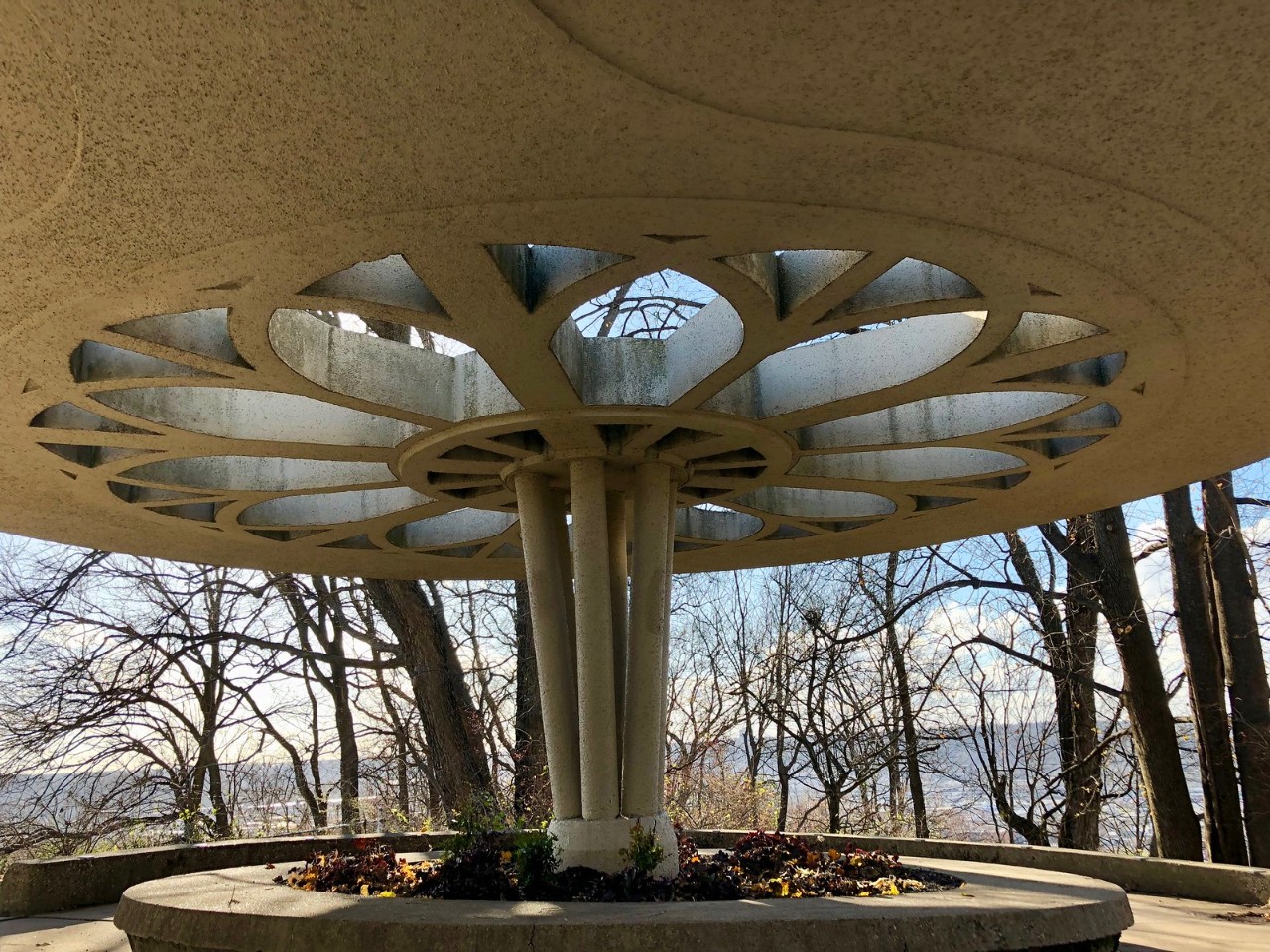
One entry Hynes created was about Bellevue Hill Park. Focusing specifically on the unique architecture style, Hynes was led down a path of discovery back to the days of the Cincinnati incline systems and cable cars.
“That one small thing—the architecture looking really neat—led me to this giant repository of Cincinnati history that I didn't even know about,” says Hynes.
Kathryn Siemer, an undergraduate student pursuing a bachelor of arts in history, had a similar experience with the course.
“There's so much history in my everyday life that I never really thought of before,” says Siemer. “Like on the little columns in front of Arts and Sciences Hall are plaques commemorating three Black students: the first Black undergraduate diploma recipient, the first Black female graduate and the first Black graduate diploma recipient. There are things that you see every day and you don't realize that they carry that history in them.”
Public History in the Wild has garnered attention in the academic world for its innovative and engaging format. Wingo and Passenger-Wieck wrote a chapter about the project for the American Historical Association. Since then, other public history professors have replicated the blog-style format.
“The funny thing about this assignment is that Lindsay and I started it, we wrote about it, and now other people at other universities and colleges are doing it too,” Wingo says. “If people want to borrow it, they can borrow it. I don't need credit for it, just go teach your students something cool.”
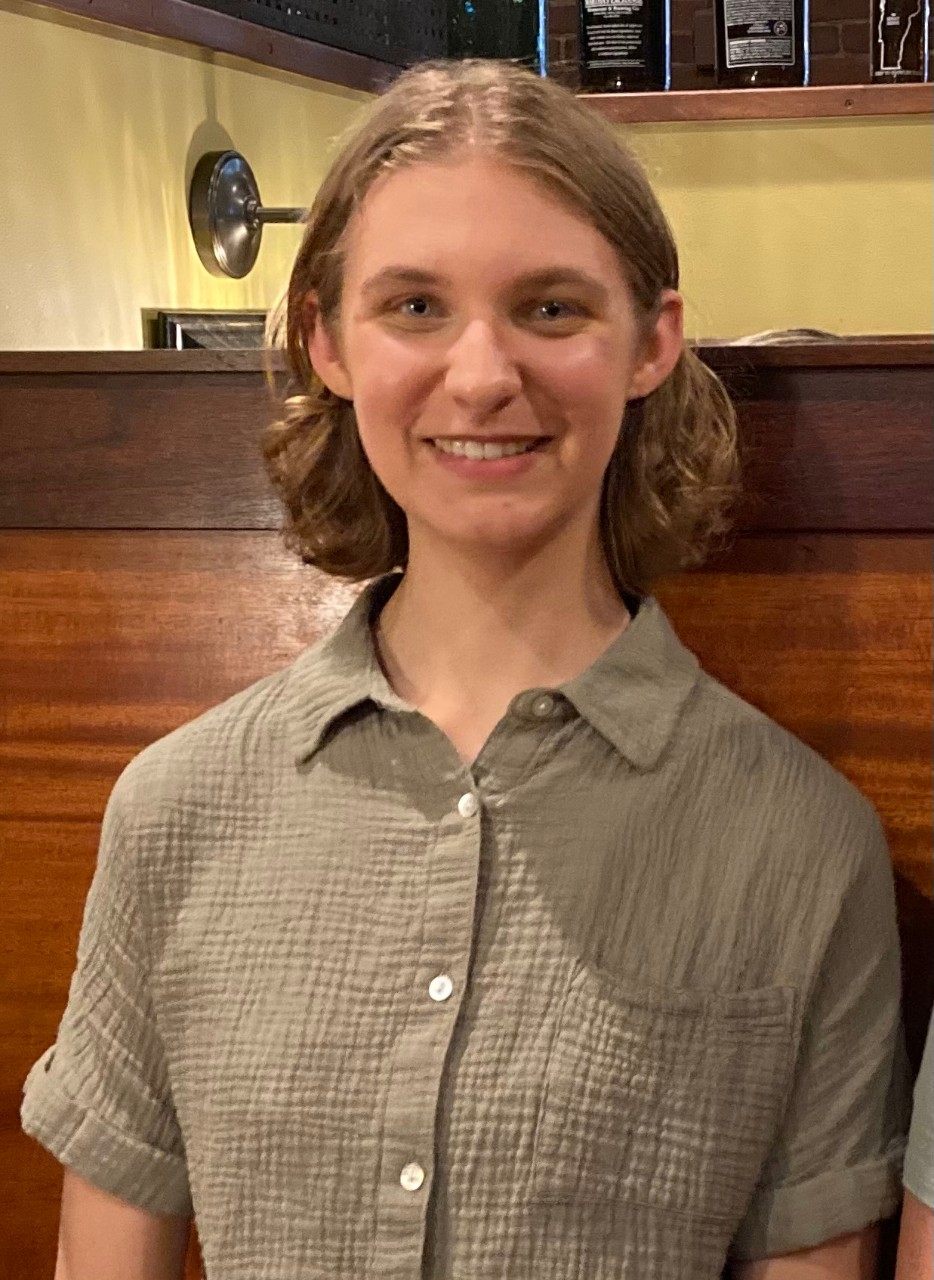
Kathryn Siemer. Photo/Provided
While the Public History in the Wild concept itself receives well-deserved praise in the academic world, Hynes notes that Wingo’s teaching style plays a large role in the project’s success.
“[Wingo] sees you as a colleague in the field more than somebody that she's in charge of,” Hynes says. “She sees a dialogue between you and her that a lot of other teachers don't really tend to see. Even though a lot of us had different political backgrounds and beliefs, we were able to come together through this realm of looking closer at and appreciating history, and it really broke down all those barriers that we've had before.”
Both Hynes and Siemer feel that participating in this hands-on academic undertaking gave them clarity about history as a career path, and the many ways they could utilize their experience with public history.
“It’s as much fun for me as it is for the students,” Wingo says. “Emma [Hynes] is now in our master's program in the public history concentration and Kathryn [Siemer] wants to go into a dual history and archival science master's program. I think they've both found good inspiration from work like this.”
Featured image at top: A portion of the Bellevue Hill Park pavilion, which leads to the Daniel J. Ransohoff Overlook of Cincinnati. Photo: Warren LeMay.

Pieper Buckley
Student Writer, College of Arts and Sciences Department of Marketing and Communication
Related Stories
UC co-op earnings climb to $99.5 million
August 17, 2026
University of Cincinnati co-op students earned $99.5 million in 2025-26, a 5.69% increase, with 9,614 co-op enrollments and 1,798 employers across top industries.
UC expert offers advice to Cincinnati on climate change
August 14, 2026

In an op-ed, UC Associate Professor Bob Hyland talks about ways Cincinnati can become more resilient in face of climate change.
Ancient warming event hints at potential climate tipping point
August 12, 2026

Researchers say a spike in temperatures during an ice age 304 million years ago could inform what climate scientists are learning about rapidly changing conditions today.