Influencers rode out Hurricane Milton for the content. Why are we watching?
UC Blue Ash professor featured in CNN article

As many Floridians evacuated ahead of Hurricane Milton last week, some social media creators stuck out the storm in unsafe evacuation zones, seemingly for the sake of creating content.
The University of Cincinnati Blue Ash College's Krysten Stein, PhD, told CNN there are complicated motivations behind influencers creating content while putting themselves in harm's way.
“A positive of this is you’re getting real-time, on-the-ground footage of what’s happening,” Stein, assistant professor of communication at UC Blue Ash, said. “On the other hand, it raises questions about the motivations behind posting such traumatic events. Are creators aiming to educate people about what’s going on, or is this being used as a way to monetize their content?”
Stein said while it can feel "icky" to see creators potentially benefiting from a catastrophe where others have died or had their homes destroyed, it is important to acknowledge the system that enables this to occur.
"We also need to recognize that influencers operate within a system where they rely on platforms to earn money," Stein said. "It is essential to acknowledge the larger system that pressures creators to make difficult decisions about how they engage with such tragic events.”
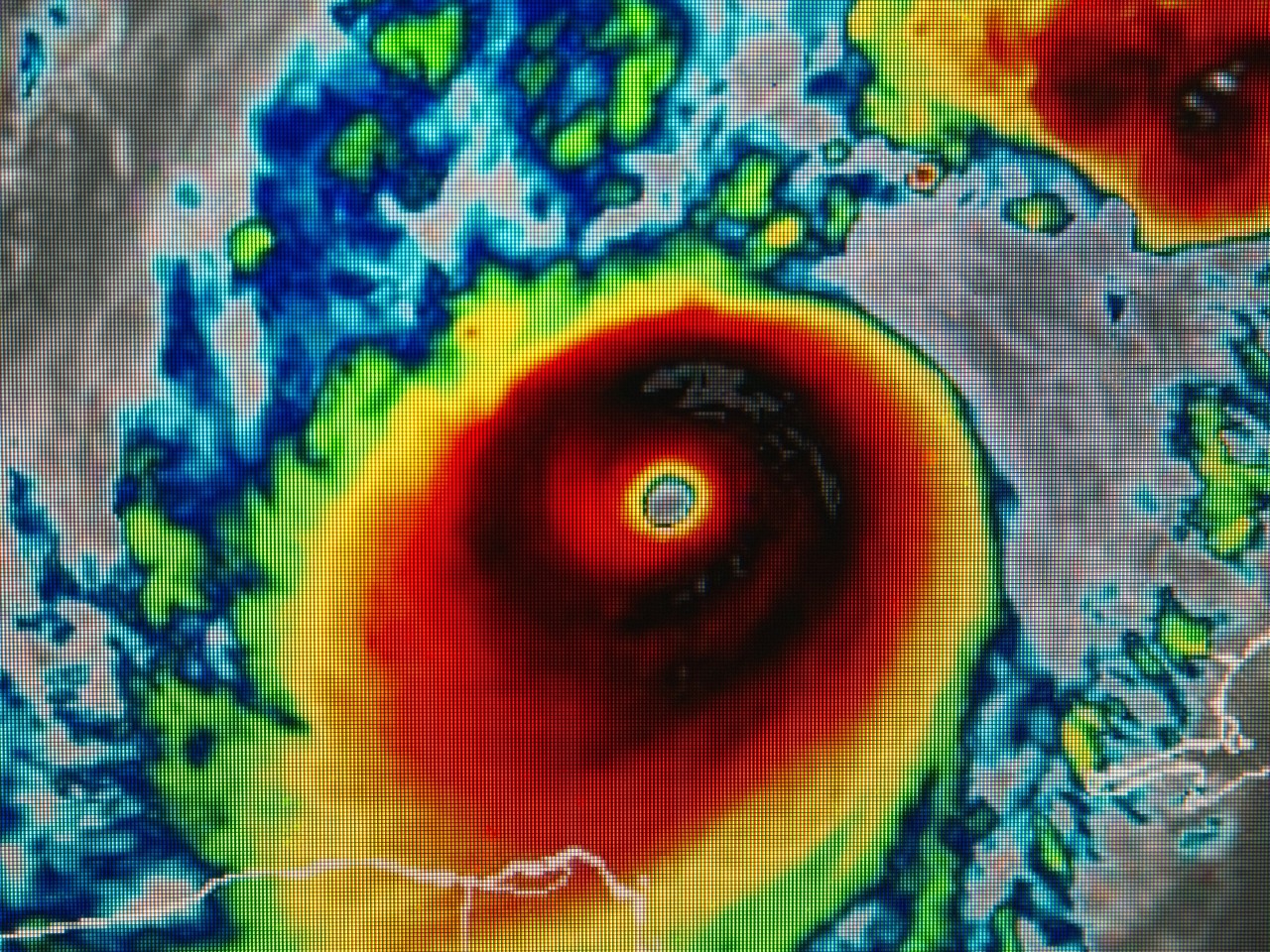
Featured photo at top of radar imagery of Hurricane Milton. Photo/Peter Blottman Photography/iStock, with original radar data provided by NOAA / NESDIS Center for Satellite Applications and Research.
Related Stories
Ride Free UC offers free transportation options this fall
August 21, 2026
Ride Free UC: UC students, faculty and staff can take advantage of free UC Metro Pass and the Bearcats Shuttle for convenient travel between campuses and throughout Cincinnati.
What is electroacoustic music?
August 21, 2026

Professor Mara Helmuth spoke with Cincinnati Spotlight about her upcoming faculty recital on Cincinnati Spotlight.
More Applicants, Broader Reach: inside UC Klekamp Law’s incoming class
August 21, 2026
The University of Cincinnati Donald P. Klekamp College of Law is welcoming a new generation of students across its JD, LLM and MLS programs amid a significant increase in interest in a UC Klekamp Law education, with JD applications reaching their highest level in a decade.