Right-wing groups are organizing on Telegram
NYT turns to UC professor to discuss how social media is helping groups like Proud Boys organize

The New York Times spoke to a University of Cincinnati professor about the ways that extremists are organizing on social networks this election season.
UC College of Arts and Sciences Assistant Professor Michael Loadenthal and his students have compiled a comprehensive database of more than 10,000 felony criminal cases related to political violence in the United States, including the nearly 900 suspects so far who were convicted or pleaded guilty to offenses related to the 2020 attack on the U.S. Capital after the last presidential election.
Loadenthal's Prosecuction Project helps researchers, politicians and even government agencies better understand the people who engage in political violence, the crimes they commit and the ways society punishes offenders.
According to the Times, some users of the site Telegram have been sharing disinformation and violent imagery relating to the 2024 general election. But they have also been organizing for Election Day, the Times said.
“They feel activated,” Loadenthal told the Times. “There’s a feeling they are in the right.”
Read the New York Times story.
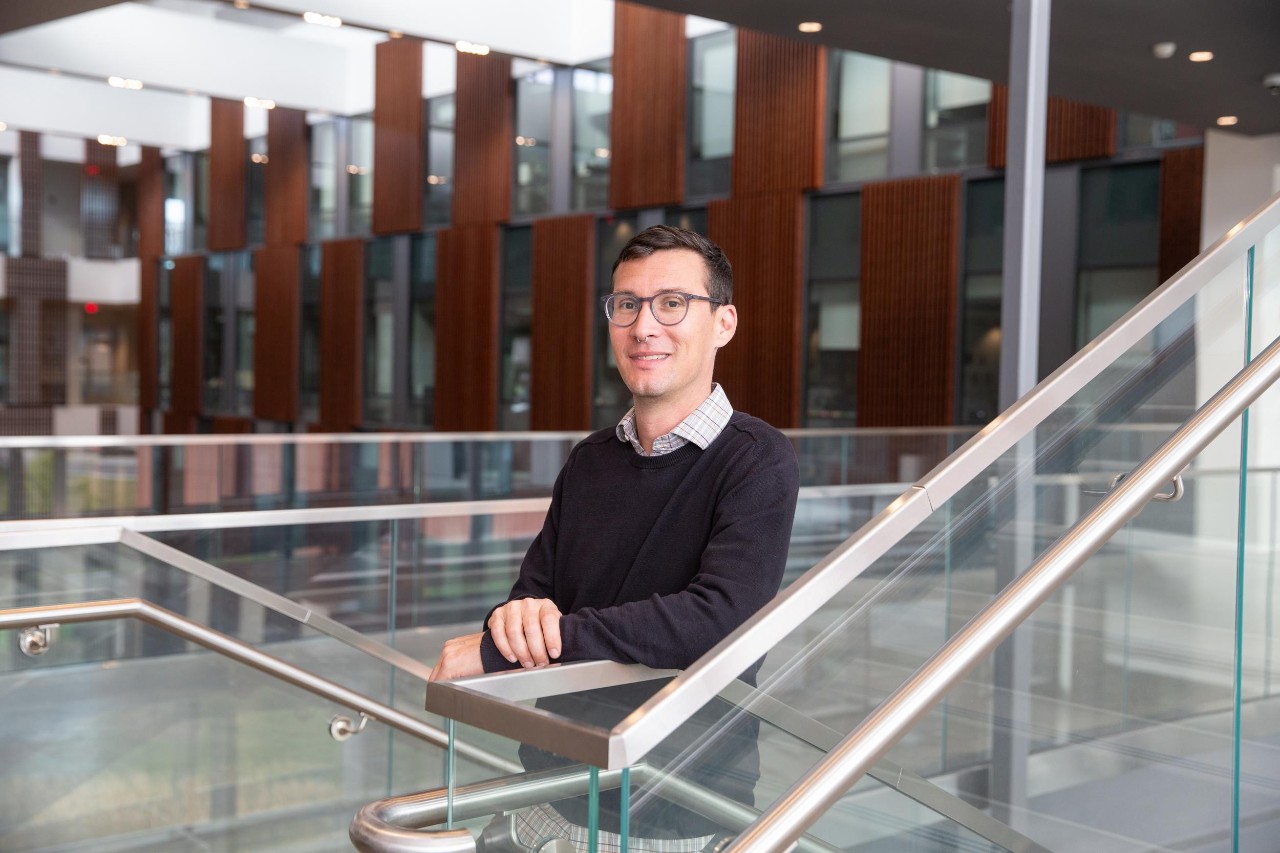
Featured image at top: UC Assistant Professor Michael Loadenthal teaches in the UC School of Public and International Affairs. Photo/Andrew Higley/UC Marketing + Brand
Related Stories
UC doctoral student shares his journey with Spectrum News
July 27, 2026

UC doctoral student Amota Ataneka spoke with Spectrum News about his educational journey. Ataneka, a native of the Pacific island nation of Kiribati, is one of 35 emerging scholars across the United States to win the National Academy of Education/Spencer Dissertation Fellowship.
How scammers can persuade you with AI
July 27, 2026
Spectrum News recently dove into how cloning voices with artificial intelligence is making it easier to scam people over the phone. The news outlet spoke with Kimberly Hyun, assistant professor of marketing at UC’s Lindner College of Business, to examine why AI is making it so much easier to trick people.
Decade of discovery
July 27, 2026
Every summer, UHP Discover has connected undergraduate students in the University Honors Program (UHP) to a unique array of opportunities in original interdisciplinary research. This year, the program celebrates its 10th anniversary.