
How to use AI to manage the holiday season
Prompt structure is important to yielding the best results, UC professor tells WLWT

While the holidays can be overwhelming for many people, artificial intelligence could help reduce stress, WLWT reported.
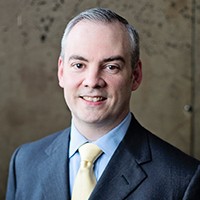
Jeffrey Shaffer, director of the Applied AI Lab in the University of Cincinnati’s Carl H. Lindner College of Business
AI can help create a meal prep schedule or find substitutes for ingredients. It can suggest gifts or compare prices across retailers. It also could help create a schedule of local festivities.
Jeffrey Shaffer, director of the Applied AI Lab in the University of Cincinnati’s Carl H. Lindner College of Business, said a key to getting good results from an AI query is to be specific.
“You really want to think about how you structure your prompt when you ask a question,” said Shaffer, the Kirk and Jacki Perry Professor of Analytics and an assistant professor-educator in Lindner’s department of operations, business analytics, and information systems. “The things that you want to do in your prompt are give it enough specifics for the task that you want to do. Sometimes, you might even want to give it an example of what you want it to do.”
Featured image at top: A person slices a pie. Photo/Element5 Digital via Unsplash
Innovation Lives Here
The University of Cincinnati is leading public urban universities into a new era of innovation and impact. Our faculty, staff and students are saving lives, changing outcomes and bending the future in our city's direction. Next Lives Here.
Related Stories
How can Cincinnati provide more affordable housing? This new lab aims to find out
October 16, 2026

The University of Cincinnati Real Estate Center helped launch a new regional research and development initiative designed to identify, test and scale solutions to the region’s housing challenges called the Housing Innovation Lab. The project is built around a simple idea: What if communities approached housing challenges the way leading companies approach innovation?
Cincinnati Spotlight features CCM's new Conservatory Series concerts
October 15, 2026

Cincinnati Public Radio features CCM's new Conservatory Series in its latest "Cincinnati Spotlight." The series launches on Wednesday, Oct. 21 with its inaugural "Grand Tradition" concert featuring a variety of CCM's distinguished faculty artists.
Medical devices exec touts UC co-op
October 15, 2026

UC College of Engineering and Applied Science alumnus Adam Hauke talks to Medium about the speed of innovation in developing new medical devices. Hauke is global director of product strategy & innovation at Gentherm Medical. He earned a doctorate and bachelor's degree in biomedical engineering from UC.