Right-wing groups are organizing on Telegram
NYT turns to UC professor to discuss how social media is helping groups like Proud Boys organize

The New York Times spoke to a University of Cincinnati professor about the ways that extremists are organizing on social networks this election season.
UC College of Arts and Sciences Assistant Professor Michael Loadenthal and his students have compiled a comprehensive database of more than 10,000 felony criminal cases related to political violence in the United States, including the nearly 900 suspects so far who were convicted or pleaded guilty to offenses related to the 2020 attack on the U.S. Capital after the last presidential election.
Loadenthal's Prosecuction Project helps researchers, politicians and even government agencies better understand the people who engage in political violence, the crimes they commit and the ways society punishes offenders.
According to the Times, some users of the site Telegram have been sharing disinformation and violent imagery relating to the 2024 general election. But they have also been organizing for Election Day, the Times said.
“They feel activated,” Loadenthal told the Times. “There’s a feeling they are in the right.”
Read the New York Times story.
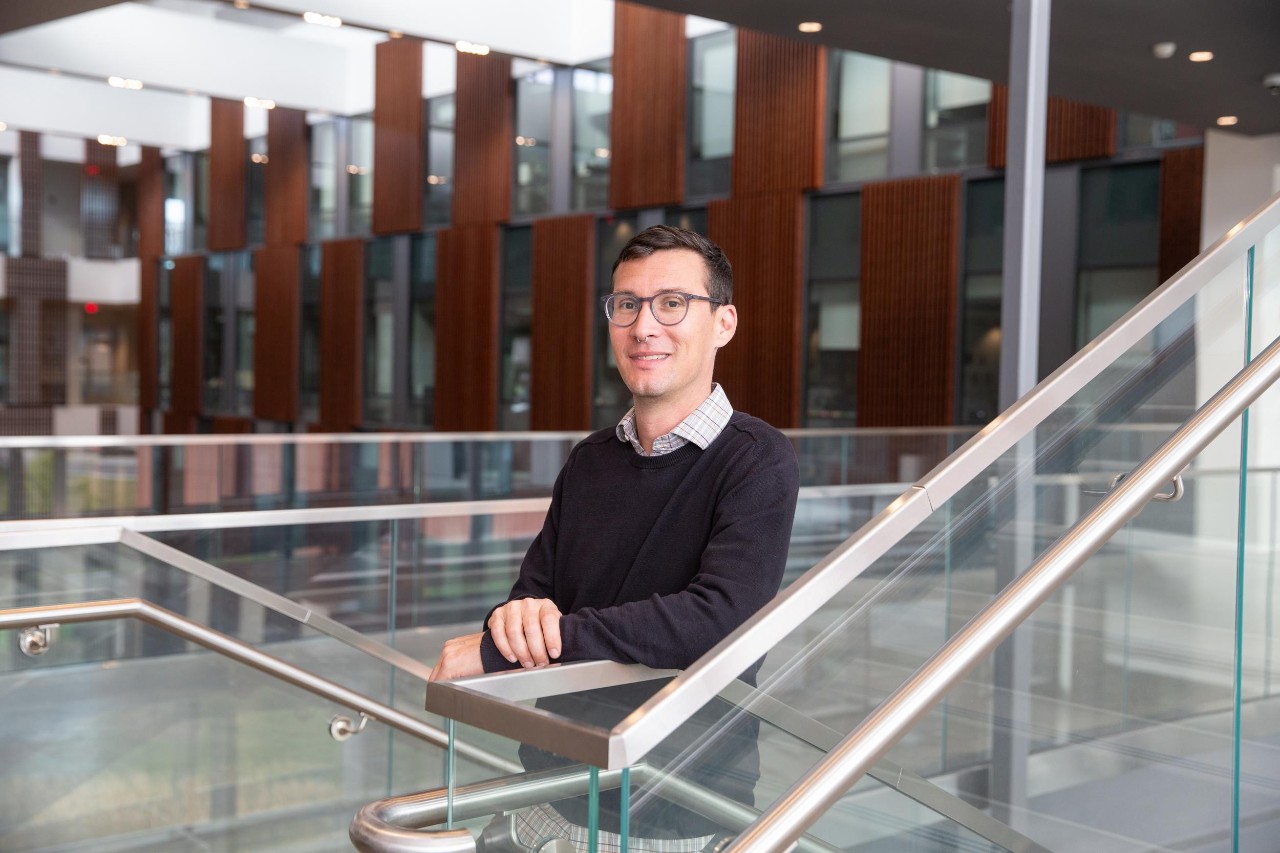
Featured image at top: UC Assistant Professor Michael Loadenthal teaches in the UC School of Public and International Affairs. Photo/Andrew Higley/UC Marketing + Brand
Related Stories
Bidirectional link between oral, kidney health calls for patient education, access
August 4, 2026

Despite growing awareness of the connection between oral health and chronic health conditions, patient awareness and access to dental care remain limited, according to University of Cincinnati experts who recently spoke with Healio | Nephrology News & Issues.
UC-built detector at CERN looks for enticing evidence to explain dark matter
August 4, 2026
A physicist from the University of Cincinnati and his research partners from around the world conducted an experiment at CERN’s Large Hadron Collider in Switzerland to look for evidence that might help explain one of science’s most baffling questions: dark matter.
The subtle changes in hearing you should never ignore
August 4, 2026

It’s easy to dismiss changes in hearing as minor. But as The Washington Post recently reported, these symptoms could also signal a medical emergency that many people don’t recognize — known as sudden sensorineural hearing loss, a rapid decline in hearing that occurs suddenly or over a few days.