
Ancient Maya built fish-trapping weirs in Belize
Discovery is first indication of aquaculture by ancient Maya

Live Science turned to a University of Cincinnati geography professor to understand the significance of the discovery of the first evidence of aquaculture among the ancient Maya.
Researchers at the University of New Hampshire discovered evidence of ancient fish-trap weirs in Belize. The ancient Maya dug a network of canals to steer fish into the weirs, providing the first evidence of aquaculture.
Researchers said the fish traps could have fed thousands of people.
UC College of Arts and Sciences Professor Emeritus Nicholas Dunning was not part of the research project but has studied the ancient Maya in Mexico and Guatemala. He said the study provides some answers to fundamental questions about how the ancient Maya thrived 4,000 years ago.
“Over the past several decades, quite a few scholars of the ancient Maya, including myself, have suggested that aquaculture may have played an important role in the development of Maya civilization,” Dunning said. “However, the present study is the first that I know of to specifically attempt to test this hypothesis.”
Dunning called the study an important work in helping scholars of the ancient Maya understand the origins of sedentary society in the region.
Featured image at top: Researchers discovered evidence of aquaculture by the ancient Maya in Belize thousands of year ago. Photo/Dave Alan
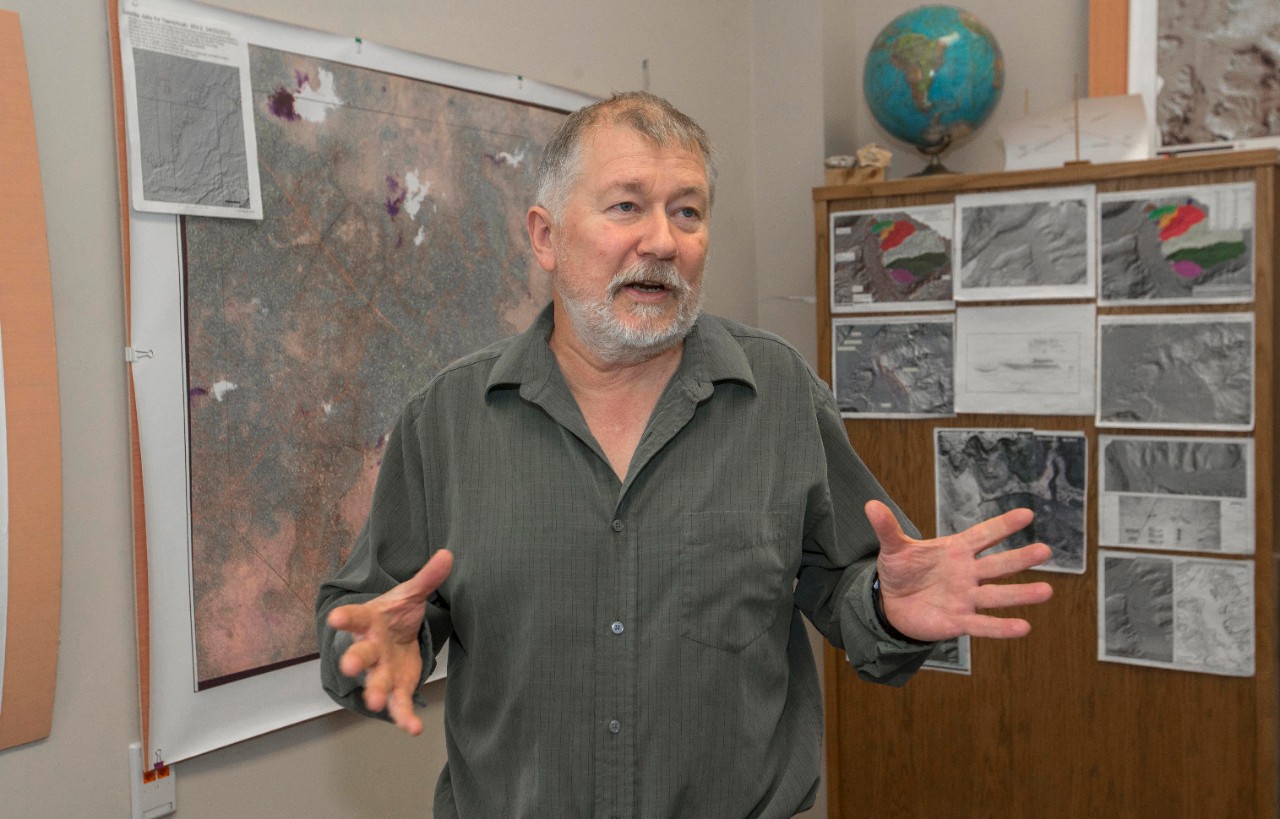
UC Professor Emeritus Nicholas Dunning spoke to Live Science about the discovery that the ancient Maya practiced aquaculture by catching fish in weirs. Photo/Joseph Fuqua II/UC
UC researchers reveal world of ancient Maya

UC student Jeff Brewer and UC Professor Nicholas Dunning work at an archaeological site in Mexico's Yucatan Peninsula. Photo/Provided
Related Stories
'There's a strong community here:' UC transfer student finds place in College of Arts and Sciences
October 23, 2026
This week marks National Transfer Students Week, and the College of Arts and Sciences celebrated those students Thursday. Olivia White, assistant director of recruitment, said around 13-15% of students at UC are transfer students, and with that comes its own set of challenges.
UC Foundation celebrates 2026 philanthropy winners
October 23, 2026
The University of Cincinnati Foundation recognized its Outstanding Philanthropic Volunteer Award honorees at the George Rieveschl Recognition Dinner on October 22, 2026.
AI breast cancer survival model from Cancer Center could improve accuracy and personalize care
October 23, 2026
UC Cancer Center researchers, including lead author Wedad Alatebi, developed a deep learning survival model for breast cancer that combines detailed clinical and genetic information, potentially offering physicians a more accurate tool to guide treatment decisions.