UC professor awarded Carnegie fellowship
David Niven to study voting and political polarization

Cincinnati’s NPR station, WVXU, highlighted the University of Cincinnati’s very first Carnegie Award recipient in an interview this week.
Associate professor David Niven, PhD, is a member of the 2025 Andrew Carnegie Fellows Program. He is one of 26 scholars and researchers selected in an application pool of over 300. With a $200,000 grant from the Carnegie Foundation, his research will analyze how American citizens’ experience at the polls impacts their views on voting.
WVXU’s Becca Costello interviewed Niven about the fellowship and how he plans to tackle the Carnegie Foundation’s focus on researching political polarization. Over the next two years, Niven will use extensive survey work to systematically characterize the voting experience both locally and nationwide.
"The other half of it is really looking at, how does that voting experience affect our opinions of voting?" Niven told WVXU. "Our thoughts about whether voting is free and fair in this nation or not; our thoughts about what changes should be made to the way we vote."
Read more about Niven’s research grant.
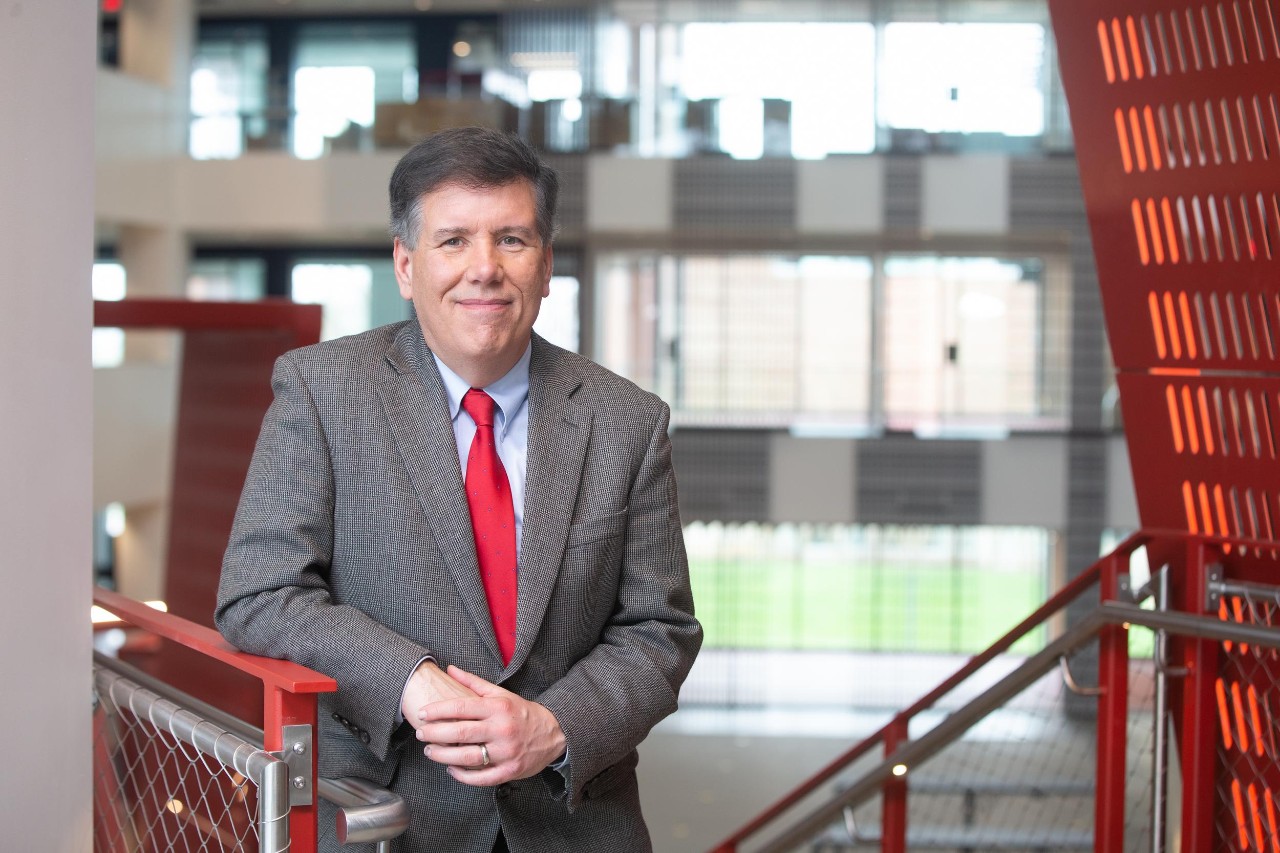
Featured image at top of David Niven. Photo/Andrew Higley/UC Marketing + Brand
Related Stories
Major grant expands apprenticeship opportunities at UC
August 31, 2026
UC will expand registered apprenticeship opportunities in AI, semiconductor, and nuclear-energy infrastructure through a major U.S. Department of Labor grant partnership led by JFF.
Heavy social media use linked to depression
August 31, 2026

U.S. News and World Report, Yahoo! News, MSN, USA Today and other national media highlight a new study by the University of Cincinnati and Northwestern University that found a correlation between heavy social media use and depression in adults.
These teeny spiders are social media stars
August 28, 2026

The New York Times turned to a University of Cincinnati professor to explain the appeal of jumping spiders on social media.