Make way for Wawa
UC economist weighs in on Cincinnati’s newest c-store

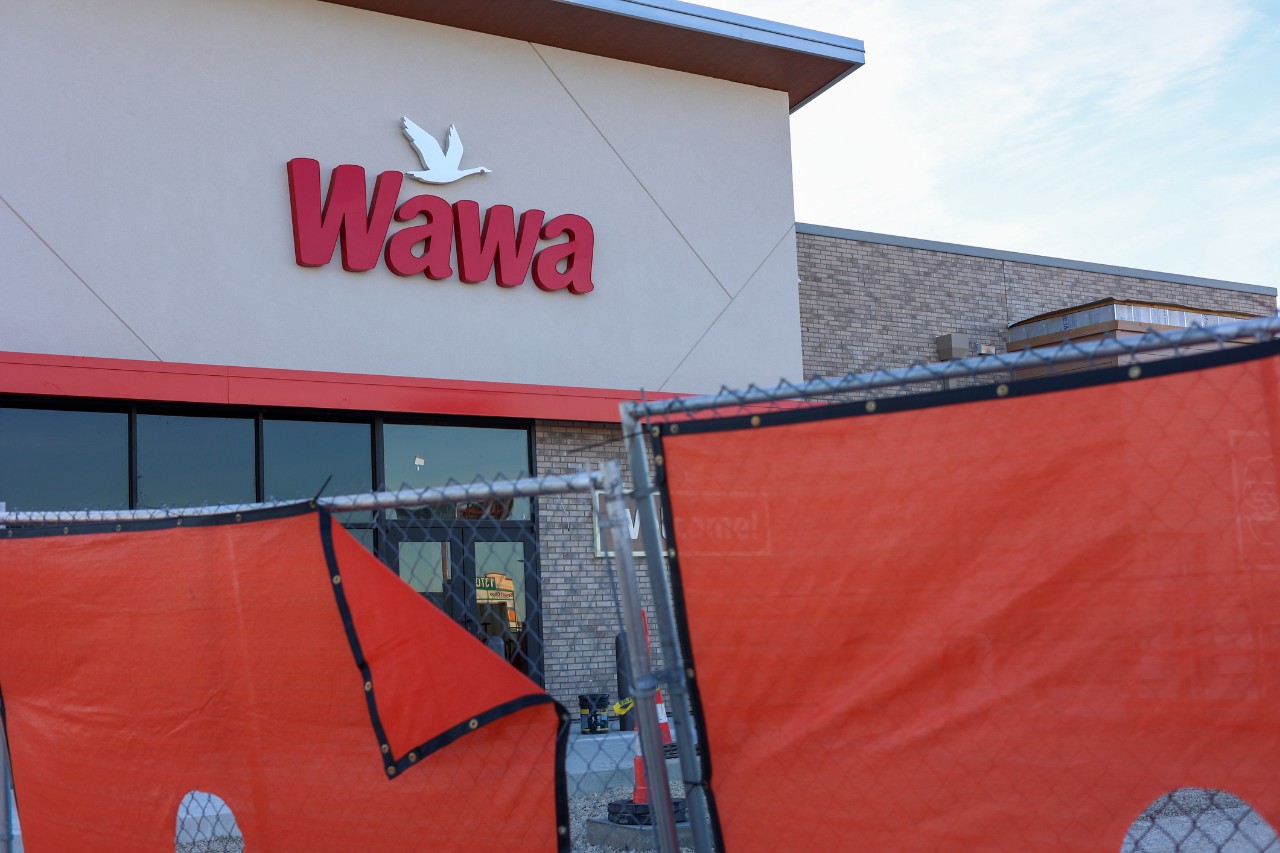
Wawa opened its doors to Liberty Township this spring to long lines and fanfare. The gas station and c-store’s expansion into greater Cincinnati comes just months after rival Sheetz opened its first southern Ohio location in Franklin last fall.
The Cincinnati Business Courier sought out University of Cincinnati professor Michael Jones’ insights on what it means for hometown giant, UDF.
Michael Jones, associate professor of economics in UC’s Lindner College of Business, told the Courier that the gas station industry is expanding beyond gasoline to boost profits as fuel margins fall flat. These offerings include the made-to-order snacks, like Wawa’s hoagies and UDF’s ice cream, that make the major players retain loyal customers.
“The only way to maintain reasonable profit margins is to differentiate yourself,” Jones told the Courier.
According to the Courier, Wawa plans to open 50 stores in Ohio over the next decade, investing more than $375 million into the expansion.
Jones warned that it is “really easy to poach” from neighboring labor forces as more c-store chains pop up in the area.
Read the Cincinnati Business Courier article.
Featured image at top: Wawa store under construction. Photo/iStock/Robin Gentry
Related Stories
2026 Cincinnati Business Courier's '40 Under 40' includes nine UC alumni
August 3, 2026
Nine remarkable University of Cincinnati alumni have been named by the Cincinnati Business Courier to its annual “40 Under 40” Class for 2026.
A debate continues over the Classic Learning Test
August 3, 2026

Anna DeJarnette, director of the UC School of Education, and professor mathematics education and Evthokia Saclarides, associate professor in the UC School of Education, were quoted in a USA Today article about the Classic Learning Test.
As Crosley Tower comes down, UC looks to STEM
July 30, 2026
With demolition of Crosley Tower more than halfway complete, the University of Cincinnati is preparing a, 200,000-square-foot STEM Academic Facility on its Uptown campus, transforming the north side of campus with new classrooms and labs.