Delayed diabetes onset linked to lower cardiovascular, renal risks
UC expert comments to MedCentral on new studies

The University of Cincinnati's Robert Cohen, MD, commented to MedCentral on two new studies presented at the American Diabetes Association’s (ADA) 85th Scientific Sessions in Chicago.
The first study, led by researchers from the Sahlgrenska University Hospital in Gothenburg, Sweden, found interventions to delay the clinical onset of type 1 diabetes in pediatric populations may significantly preserve long-term cardiometabolic health.
Researchers examined the relationship between age at type 1 diabetes diagnosis and the risk of clinical complications and disease-related mortality using data from the Swedish National Diabetes Register.
The study found individuals diagnosed with type 1 diabetes before age 10 had a 5.7 times greater risk of cardiovascular mortality and estimated 16.3 years of life lost compared to matched controls without type 1 diabetes. Conversely, those diagnosed with type 1 diabetes at an older age had a 2.6% lower risk of cardiovascular mortality with each year older at diagnosis.
“The association between early-onset type 1 diabetes and more severe complications is not new,” said Cohen, MD, professor in the Department of Internal Medicine in UC's College of Medicine and a UC Health physician who was not involved in the study. “I recall clinicians discussing this as far back as 35 to 40 years ago. This study does a good job of revalidating prior clinical impressions that early onset T1D carries a significant long-term burden and highlights the importance of prevention at all ages.”
Cohen said the study's value “is that the study approach quantifies the risk using large-scale, modern data. Earlier observations were largely anecdotal or based on smaller cohorts, but this study confirms – using robust methods – that age at diagnosis is a critical modifier of long-term cardiovascular and renal risk.”
Prediabetes progression slowed with early pharmacologic intervention
Cohen additionally commented to MedCentral on research presented at the ADA Scientific Sessions that found initiating pharmacological therapies in the early stages of prediabetes may help delay and prevent progression to type 2 diabetes.
The study, led by researchers at Texas Diabetes Institute in San Antonio, enrolled 200 patients with prediabetes and randomized them to four groups taking different oral diabetes medications. In all four groups, insulin secretion increased while A1C levels dropped.
“What stands out is the inclusion of pioglitazone, an inexpensive, generic drug often overlooked due to outdated and overstated safety concerns," Cohen said. "While newer drugs draw more attention, this study highlights the value of revisiting effective older therapies."
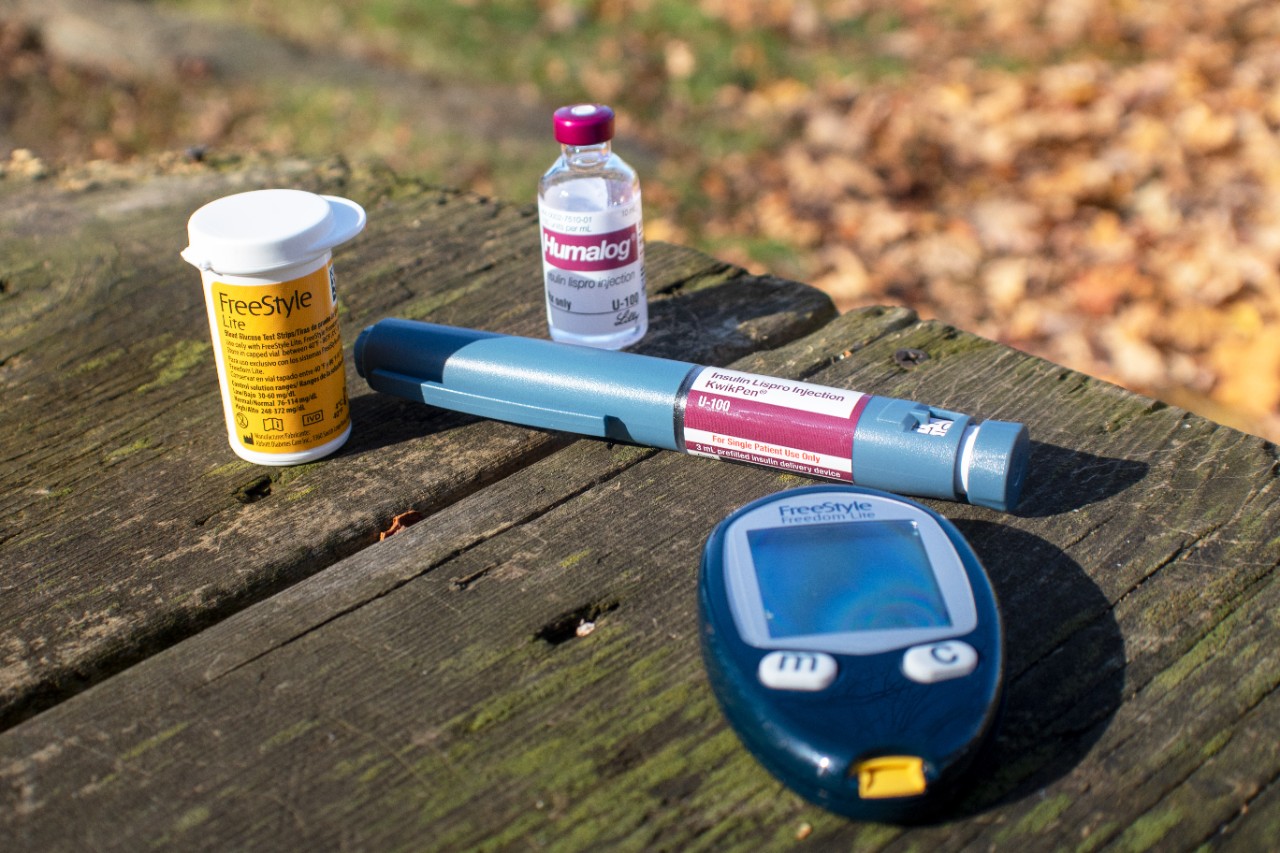
Featured image at top of diabetes testing supplies. Photo/David Moruzzi/Unsplash.
Related Stories
UC hematology researcher to study bone complications in sickle cell disease
September 25, 2026
University of Cincinnati hematology researcher Jahnavi Gollamudi, MD, has received new grant funding to study how inflammation predicts bone complications in people with sickle cell disease, offering new hope for treatment.
UC partners join communitywide effort to improve outcomes for children and families
September 24, 2026

WLWT Channel 5 covered a signing agreement ceremony for the newly formed Hamilton County Child & Family Systems Partner Collaborative dedicated to working more efficiently together to reduce barriers for families, connect them with support early on and improve delivery of services. UC Corrections Institute and the Donald P. Klekamp College of Law are among the organizations part of the collaborative.
More young adults are having strokes than three decades ago
September 23, 2026
A University of Cincinnati-led study published in the journal Neurology found that strokes among adults ages 20 to 54 nearly doubled over almost three decades, even as short-term survival after stroke improved.