
UC trial tests new nonpharmacological treatments for depression
NIH funds study of dietary supplement, mindfulness-based cognitive therapy for young patients

Depression and anxiety disorders typically first manifest during adolescence and early adulthood, highlighting a need to begin treatment earlier to prevent more severe mood disorders.
Many patients are first treated with selective serotonin reuptake inhibitors (SSRIs), which can be effective, but those in this age range can also experience side effects that include worsening of mood, agitation and emergence of suicidality.
New nonpharmacological treatments have shown preliminary effectiveness in early studies, but it is still unclear exactly how these treatments work.
The University of Cincinnati’s Fabiano Nery, MD, PhD, has received a five-year grant totaling approximately $3.5 million from the National Institutes of Health’s National Center for Complementary and Integrative Health to launch a clinical trial testing two of these new treatments for teens and young adults with mood disorders.
“This study proposal is to understand the mechanism of action of these interventions, and we chose two interventions that are not medications like SSRIs,” said Nery, associate professor in the Department of Psychiatry and Behavioral Neuroscience in UC’s College of Medicine and a UC Health physician. “The interventions are low risk and may be highly cost effective.”
New interventions
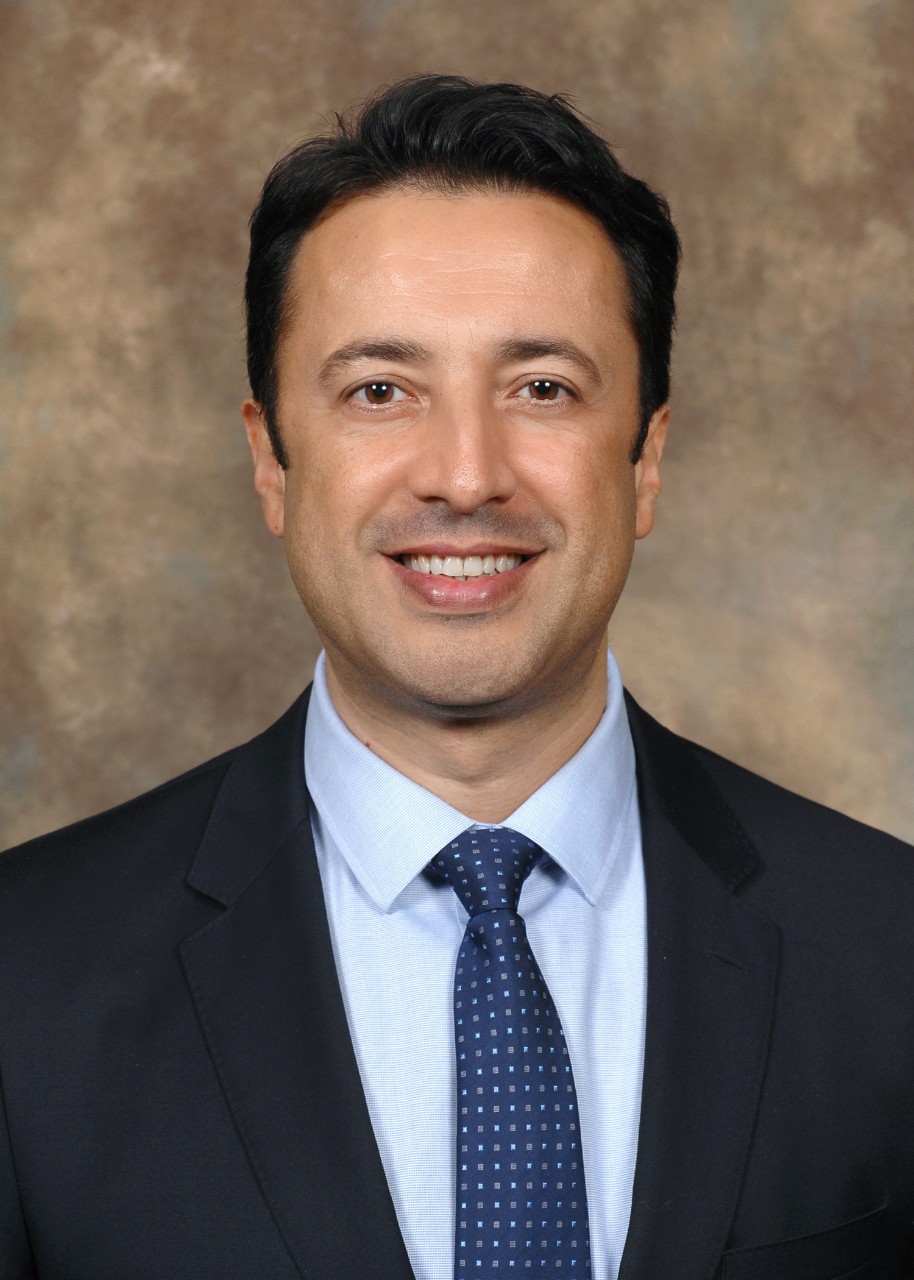
Fabiano Nery, MD, PhD. Photo/University of Cincinnati.
An amino acid derivative called N-acetylcysteine (NAC) is the first intervention Nery and colleagues will test. Available as an over-the-counter dietary supplement, NAC has been used for more than 30 years for a range of conditions.
“Lately, NAC has been studied as a psychiatric medication in a wide range of conditions, including bipolar disorder, depression, autism and cannabis use disorder,” Nery explained. “In all the trials, it has been shown to be safe and maybe effective for some conditions but not for others.”
Nery said he has used NAC as a treatment for young people with depression who also have a family history of bipolar disorder.
“These kids with familial risk for bipolar disorder are considered an ultra-high risk population because they may have a real increased chance of developing mood disorders, depression and bipolar disorder,” he said.
Several theories currently offer explanations as to why NAC may be beneficial as a treatment for mood disorders. The supplement may help modulate levels of a neurotransmitter in the brain called glutamate that is known to be altered in the brains of people with psychiatric and substance use disorders. NAC may also benefit patients by reducing oxidative stress and/or inflammation in the brain, and one goal is for this trial to provide more insight into how the supplement works in this population.
The trial will additionally test a psychotherapy intervention called mindfulness-based cognitive therapy (MBCT). This structured form of therapy is based on the pillars of training your mind to be more mindful and challenging your own thoughts to influence emotions.
“MBCT has been shown to be very good for people with depression, especially those that have had a lot of episodes,” Nery said. “It helps them to decrease relapses in depression, to get them stable, but it has also been shown to help decrease anxiety, to decrease irritability and to improve depressive symptoms.”
Trial details
The trial will enroll 160 patients aged 15 to 24 with mild depression who are not currently taking any medications.
Participants will be randomized to receive both interventions, one of the interventions plus one placebo pill or a placebo-like therapy, or both placebo interventions over eight weeks. Blood tests will monitor inflammation and oxidative stress markers, and participants will additionally undergo MRI brain scans to look for changes in brain metabolites and functional brain connectivity.
“This can help us to understand the changes that happen within the brain of a person with depression when there is improvement when responding to an intervention, or when they are not responding to treatment,” Nery said.
If found to be effective in this population, Nery said these interventions provide more treatment options both for patients at higher risk of side effects from SSRIs or for those who prefer not to take medications to treat their conditions.
“We are exploring and we are opening up an array of interventions that can be newer, more innovative and lower risk than conventional treatments we have been using,” he said.
Innovation Lives Here
The University of Cincinnati is leading public urban universities into a new era of innovation and impact. Our faculty, staff and students are saving lives, changing outcomes and bending the future in our city's direction. Next lives here.
For more information on the trial and more eligibility requirements, please contact trial coordinator Khalid Yusuf at 513-558-5479 or yusufkd@ucmail.uc.edu. Fill out an online screening questionnaire. Learn more about the trial.
Featured illustration at top of children in silhouette walking with colorful backpacks. Photo/A-Digit/iStock.
Related Stories
UC Foundation celebrates 2026 philanthropy winners
October 23, 2026
The University of Cincinnati Foundation recognized its Outstanding Philanthropic Volunteer Award honorees at the George Rieveschl Recognition Dinner on October 22, 2026.
AI breast cancer survival model from Cancer Center could improve accuracy and personalize care
October 23, 2026
UC Cancer Center researchers, including lead author Wedad Alatebi, developed a deep learning survival model for breast cancer that combines detailed clinical and genetic information, potentially offering physicians a more accurate tool to guide treatment decisions.
UC expert explains potential impact of Pennsylvania’s new vape product law
October 22, 2026

UC professor Ashley Merianos speaks to the Pittsburgh Post-Gazette about Pennsylvania’s new vape law, youth vaping prevention, enforcement challenges and possible unintended consequences.