What is a graduate certificate and how can it boost your career?
A quick guide to graduate certificates: Requirements, benefits and career impact
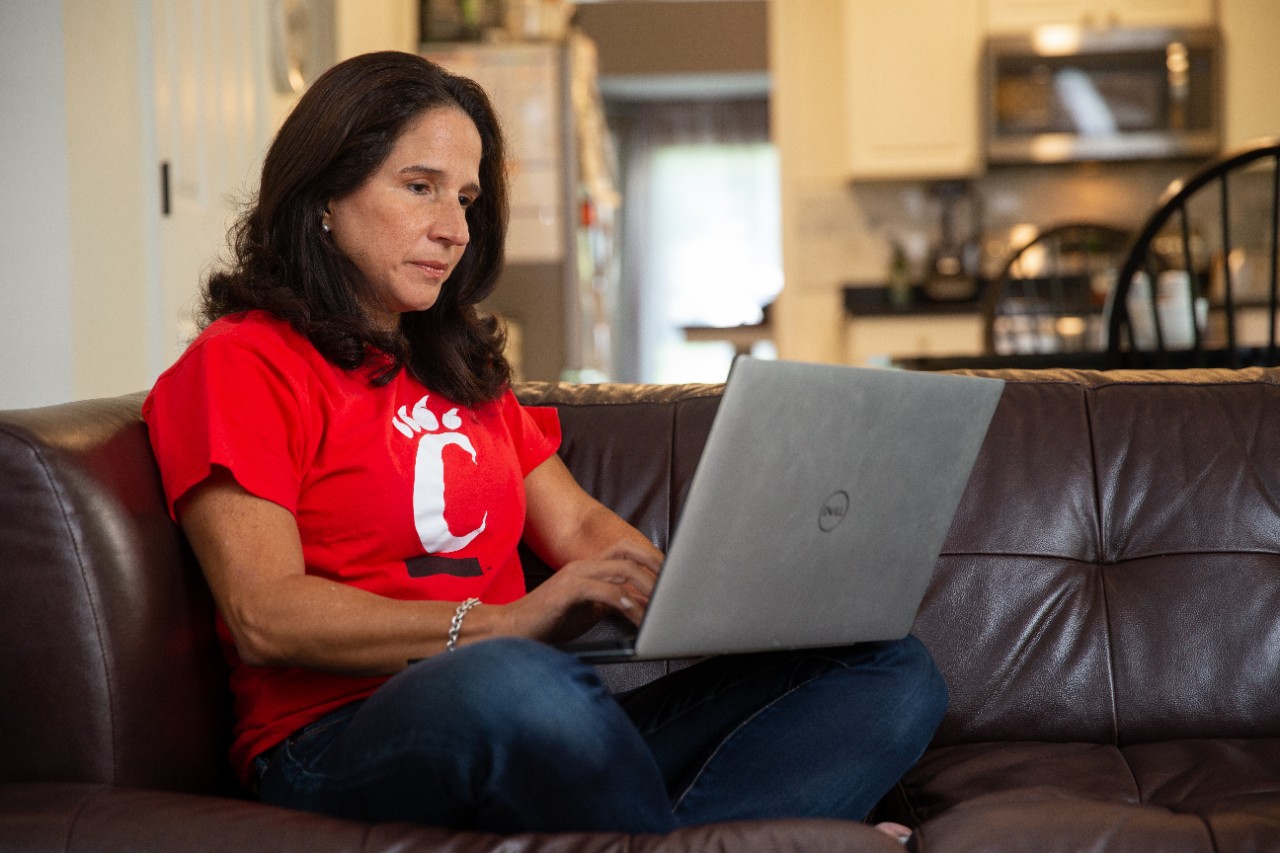
Thinking earning a graduate certificate is just for people going full-on back to school? Think again.
A graduate certificate can be a fast, flexible way to build specialized skills, boost your resume or pivot toward a new career — and you don’t have to commit years the way a master’s degree requires.
Whether you’re a working professional, a recent grad or a lifelong learner, a certificate program could help you gain real-world knowledge in fields like business, education, health care or technology.
In this guide, we’ll walk you through what a graduate certificate is, how it works and why it might be the next smart step for your career.

Your Next Starts Now
What is a graduate certificate?
A graduate certificate is a short, focused program that helps you build advanced skills in a specific area without committing to a full master’s degree. Think of it as a fast, flexible way to level up your knowledge.
Most programs include just a handful of graduate-level courses, making them perfect for busy professionals or students who want to boost their resume, explore a new field or take a meaningful step toward career growth.
Many certificates can even stack into a future master’s program, giving you a head start if you decide to keep going. It's a practical option if you’re looking to learn something new, stand out to employers, or strengthen your career path.
Graduate certificate vs. master’s degree: What’s the difference?
If you’re exploring graduate school options, you’ve probably come across both graduate certificates and master’s degrees — and wondered how they’re actually different.
The biggest distinction comes down to time, depth and commitment.
A graduate certificate is shorter and more targeted, usually made up of a few specialized courses that you can finish in months rather than years. It’s a great pick if you want to sharpen your skills, try out a new field or boost your resume quickly.
A master’s degree, on the other hand, is a longer, more comprehensive program that dives deeper into theory, research and advanced practice. It typically takes one to two years and can open doors to leadership roles or career paths that require an advanced degree.
Both options can support your career goals — one is simply a faster, more flexible route, while the other is a full graduate-level experience.
The right choice depends on what you want to learn and where you want to go next.
Key benefits of a graduate certificate program
Graduate certificates are popular for a reason, they offer a lot of value in a short amount of time.
One of the biggest perks is flexibility. Most programs are designed with working professionals in mind, so you can build new skills without putting your life or career on pause.
They’re also more affordable and quicker to complete than a full master’s degree, making them a great option if you want to grow your expertise but aren’t ready for a long-term commitment.
Another major benefit? Relevance. Graduate certificate programs focus on skills employers actually look for, whether that’s leadership, data analysis, teaching strategies, health care expertise, IT or countless other areas.
Many certificates can even be “stacked” into a future master’s degree — meaning the courses you take now could count toward a larger credential later.
If you’re hoping to advance in your current role, explore a new career path or simply stay ahead in your field, a graduate certificate gives you a fast and impactful way to level up.
Here’s why a graduate certificate might be worth it for you:
Quick to complete: Most programs finish in months, not years.
Flexible for your schedule: Great for working professionals or busy students.
Cost-effective: A more affordable way to gain advanced skills.
Career-focused: Courses are directly tied to in-demand jobs and industries.
- Stackable: Many certificates can count toward a future master’s degree.
- Resume-ready: Helps you stand out to employers faster.
How long does a graduate certificate take?
One of the biggest advantages of a graduate certificate is how quickly you can complete it.
Most programs take six to 12 months, depending on the number of courses and whether you study full time or part time.
Because certificate programs are designed with working adults in mind, many offer flexible schedules or online options that let you move at your own pace.
What are the requirements for a graduate certificate?
Graduate certificate programs are usually easier to apply to than full master’s programs. While requirements vary by school and field, most programs ask for:
A bachelor’s degree from an accredited institution
A minimum GPA (varies by program)
Official transcripts
A current resume
A short personal statement of interest or goals
Relevant work experience (required for some fields, like business, education or health care)
Overall, the process is designed to be straightforward — making it easy to take the next step in your education or career.
Types of graduate certificate programs
Graduate certificates come in all kinds of focus areas, so it’s easy to find one that aligns with your interests or career goals.
These programs are designed to help you build specialized skills. Here are a few common categories:
Build skills in areas like data analytics, organizational leadership, marketing or project management.
Explore certificates in instructional design, literacy, special education or other add-on licensure options.
Strengthen your clinical expertise with certificates in nursing specialties, public health, health administration and more.
Gain in-demand skills in cybersecurity, IT, software development, AI or digital innovation.
These categories are just the starting point. No matter your field, there’s likely a graduate certificate that fits your goals and can help you grow professionally.
The University of Cincinnati offers a wide range of online graduate certificate programs designed with flexibility at the forefront.
These options are especially popular with working professionals, parents and students who need a schedule that fits around real life.
UC’s online programs let you complete coursework on your own time without sacrificing the quality, rigor or support you’d get on campus.
Whether you’re looking to sharpen your skills, explore a new specialty or take a meaningful step toward career advancement, UC’s online certificates make it possible to keep moving forward without hitting pause on your job or personal commitments.
They’re a convenient, accessible way to earn a respected credential from a nationally recognized institution.
Career opportunities with a graduate certificate
A graduate certificate can open doors to new roles, promotions and career paths, often faster than a full degree. Because these programs focus on in-demand, industry-specific skills, employers see them as a strong sign that you're committed to growing in your field.
Depending on the area you study, a graduate certificate can help you:
Qualify for advanced or specialized roles in business, health care, education, technology and more.
Boost your resume with graduate-level credentials employers recognize.
Stand out in competitive hiring pools by showcasing up-to-date skills.
Increase your earning potential by positioning yourself for roles with more responsibility.
Prepare for a career pivot into a new field without starting from scratch.
Strengthen your path to graduate school, since many certificates stack into master’s degrees.
Overall, a graduate certificate can be a powerful stepping stone — helping you gain confidence, grow professionally and take your career where you want it to go.
Professional development through a graduate certificate
A graduate certificate is one of the most practical ways to invest in your professional growth, especially if you’re already working.
These programs are designed to help you build targeted, industry-relevant skills that you can apply immediately on the job.
Whether you’re aiming for a promotion, looking to strengthen your expertise, or hoping to stay ahead in a fast-changing field, a certificate gives you a structured, efficient way to keep learning.
Because the coursework is focused and streamlined, you don’t have to wait years to see results. Many students use their new skills right away — in meetings, projects, leadership roles, or day-to-day responsibilities. Employers appreciate this, too; a graduate certificate signals initiative, commitment and a strong desire to grow in your field.
If you’re seeking a meaningful next step in your professional development, a graduate certificate can be a powerful tool to help you stand out, stay competitive, and feel more confident in your career path.
Final thoughts: Advice for anyone considering a graduate certificate
If you’re thinking about earning a graduate certificate, you’re already on the right track. Here are a few things to keep in mind as you decide whether this path is right for you:
Get clear on your goals. Are you looking to advance in your current field, switch careers or build skills you didn’t get in undergrad? Knowing your “why” can help you choose the right program.
Look at certificate-to-master’s pathways. Many programs at UC let you apply your certificate credits toward a future master’s degree. This can save you time and money if you think you might continue later.
Check the curriculum for real-world relevance. Make sure the courses align with the skills employers in your field are currently looking for.
Think about your schedule. Online programs at UC offer a lot of flexibility, especially if you’re juggling work, parenting, or other commitments.
Talk to an admissions advisor. They can help you compare programs, understand requirements and figure out which option supports your long-term goals.
Ask about employer tuition benefits. Many workplaces offer funding for professional development — you might pay less than you think.
If you’re asking yourself, “is a graduate certificate worth it?”, the answer depends on what your goals are.
If you’re aiming for a role that requires a master’s degree or involves deep research or clinical training, a certificate won’t replace that.
But if your priority is upskilling, career mobility or exploring a new direction without a big time or financial commitment, a graduate certificate can be a powerful next step.
Choosing a graduate certificate is a smart move if you’re ready to grow professionally without committing to a full master’s program. With the right plan and support, it can be a meaningful step toward your future career.
Explore what’s next for you, today.