
UC introduces cutting-edge robotics, automation and mechatronics sub-plan in electrical engineering technology program
Preparing students for the future of intelligent systems and automation

In a bold step toward bridging the gap between traditional electrical engineering and the explosive growth of intelligent systems, the University of Cincinnati’s College of Engineering and Applied Science (CEAS) has unveiled a new sub-plan in Robotics, Automation and Mechatronics (RAM) within its bachelor of science in electrical engineering technology (EET) program. Housed in the Department of Electrical and Computer Engineering, this innovative concentration is designed to equip students with the interdisciplinary skills needed to thrive in the era of smart manufacturing, autonomous systems, and Industry 4.0.
The announcement comes at a pivotal moment for robotics education, as global demand for automation specialists surges. Industry reports project the global robotics market to reach anywhere from $150 billion to 205 billion by 2030, fueled by AI advances, labor shortages, and widespread automation. UC’s new sub-plan positions the university as a leader in preparing the next generation of engineers for this transformative landscape, building on its established strengths in hands-on learning and co-op experiences.
What is Co-op at UC?
Co-op (cooperative education) at the University of Cincinnati is an educational model that integrates classroom learning with paid, professional work experience related to a student’s major. CEAS students alternate academic semesters with semesters spent working for industry-leading employers, gaining real-world skills and building a strong professional network before graduation. UC’s co-op program is nationally recognized and, for engineering majors, is a mandatory and integral part of the curriculum. Learn more about UC’s co-op program.
A Response to Industry Needs
The Robotics, Automation and Mechatronics sub-plan emerges from UC’s longstanding commitment to practical, industry-aligned education. The EET program, already renowned for its focus on analog and digital circuits, electric power systems, and industrial controls, now offers students the option to specialize in robotics, automation and mechatronics starting in the 2025-2026 academic year. This sub-plan integrates mechanical principles with electrical engineering fundamentals with a focus on sensing, embedded computing, signal processing, real-time control, and supporting circuitry for robotic components and modern mechatronic systems. It emphasizes the integration of sensors, actuators, and control algorithms to enable responsive, intelligent behavior in robotic and automation applications across various industries.
“Robotics and mechatronics isn’t just about building machines—it’s about creating intelligent systems that sense and interact with the world around us,” said Dr. Zachariah Fuchs, a faculty member in the Department of Electrical and Computer Engineering and a key architect of the sub-plan. “This new track empowers EET students to design, program, and optimize automated systems, from factory floor robots to autonomous drones. It’s a natural evolution of our curriculum, responding to employer demands for versatile engineers who can navigate the convergence of electrical, mechanical, sensing, and computational domains.”
The sub-plan aligns seamlessly with UC’s broader robotics ecosystem, including the newly renovated Robotics & Automation Lab unveiled in September 2024. This state-of-the-art facility, featured in a recent UC video tour, provides students with access to industrial-grade robotic arms, programmable logic controllers (PLCs), and simulation software for real-world prototyping. Complementing these resources is the university’s Minor in Robotics & Automation, which shares foundational courses with the sub-plan and allows for flexible customization.
Curriculum: Hands-On Innovation at Its Core
At the heart of the Robotics, Automation and Mechatronics sub-plan is a rigorous, 124 credit curriculum that blends core EET requirements with specialized robotics coursework. Students will dive into topics such as:
- Mechatronics and Control Systems: Courses like Haptics and Collaborative Robotics and Feedback Controls explore sensor integration, feedback loops, and PID controllers to enable precise motion and decision-making in robotic systems.
- Embedded Systems and Programming: Building on EET’s microprocessor focus, electives cover real-time operating systems, ROS (Robot Operating System), and AI-driven autonomy.
- Industrial Automation and Mechanics: Hands-on labs address hydraulics, pneumatics, and kinematics, preparing students for applications in manufacturing and logistics.
- Capstone Project: A culminating design challenge where teams develop a fully functional robotic prototype, often in collaboration with industry partners through UC’s renowned co-op program.
The curriculum draws inspiration from UC’s existing Robotics and Automation Certificate at UC Clermont, which emphasizes practical skills in electrical theory and PLC programming, but elevates it with advanced mechanics and intelligent systems components. All courses incorporate co-op integration, allowing students to apply classroom knowledge during paid work terms at companies like Procter & Gamble or GE Aviation—major employers hungry for robotics talent.
This sub-plan is open to all EET students, with prerequisites including foundational courses in circuits and digital logic. Admission is competitive, prioritizing students with demonstrated interest through clubs like the UC Robotics Team or UC Combat Robotics Club.
Empowering the Future Workforce
For current sophomores like Justin Lininger, an EET major from Northwest Ohio with hands-on experience in robotics from high school vocational programs and co-op work with FANUC products, the sub-plan represents a promising opportunity. “There were a multitude of reasons why I chose UC—absolutely at play was the co-op program and UC Engineering’s sterling reputation, but also more personal reasons like strong ties to the Cincinnati area. I have an interest in this subplan. It’s a growing demand, and I’m eager to learn more and see how it develops,” Lininger shared.
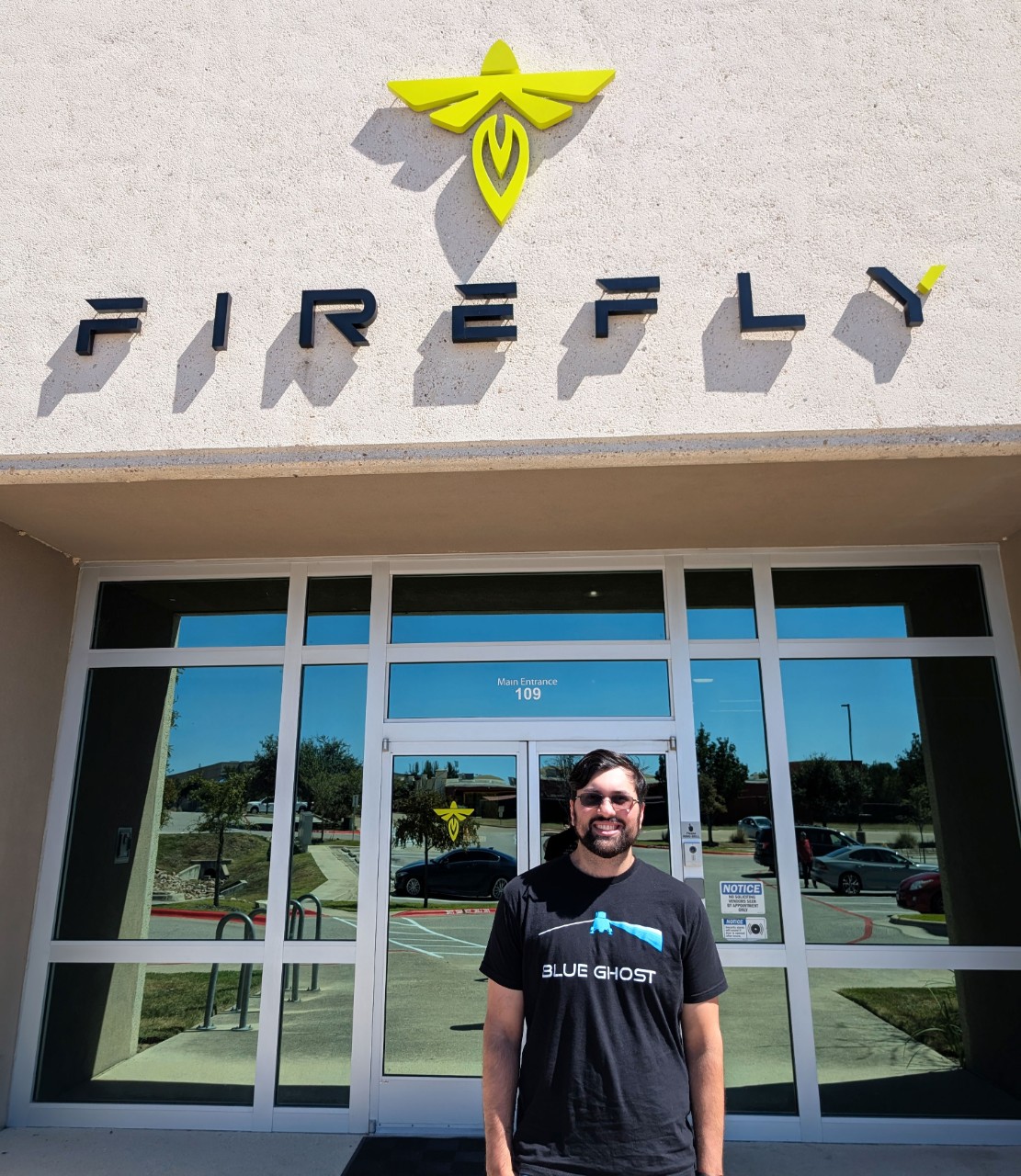
Industry leaders agree. A recent UC news feature highlighted how CEAS students are already making waves in robotics engineering, with students like Ilyas Malik landing roles at Firefly and working on projects for NASA. The sub-plan’s emphasis on ethical AI, cybersecurity in automation, and sustainable design further prepares students for global challenges, such as workforce upskilling in an automated world.
Department Head of Electrical and Computer Engineering, CEAS, Marc Cahay, emphasized the program’s broader impact: “At UC, we’re not just educating engineers—we’re launching pioneers. This sub-plan will accelerate innovation in Cincinnati’s tech corridor and manufacturing sector, the latter relying more and more on autonomous systems powered by the latest development in AI. It will also foster collaborations that drive economic growth and societal progress.”
Next Steps
As the Robotics, Automation and Mechatronics sub-plan rolls out, UC invites prospective students to explore the EET program through in-person and virtual tours, and the annual CEAS Expo. With application deadlines approaching for fall 2026, aspiring roboteers are encouraged to visit the admissions website for details.
In an age where robots are reshaping everything from healthcare to logistics, UC’s latest offering ensures its graduates aren’t just keeping pace—they’re leading the charge. For more information, contact the Department of Electrical and Computer Engineering at ceas.ug@uc.edu.
Featured image at top: CEAS students inside the Robotics and Automation Lab. Photo/Corrie Mayer/CEAS Marketing.
Explore Careers in Robotics Engineering
Find out about the skills needed and how to get started in robotics engineering.
Related Stories
UC's twirlers are a trio of engineers
March 24, 2026
The Bearcat Bands are an iconic part of the University of Cincinnati student experience. Bringing tradition, spirit, and excitement to sporting events and campus life, every part of the band is critical to its success. The College of Engineering and Applied Science has a strong reputation in the band and all three of the university's feature twirlers for 2025-26 are engineering students.
Back to School 2026: UC remains a destination campus
August 24, 2026
The University of Cincinnati welcomes its largest first-year class and a record share of first-generation students for fall 2026, reinforced by affordability initiatives, co-op opportunities and new academic offerings across all campuses.
Playing a winning hand
November 4, 2025
UC mechanical engineering student Brooke Boeding parlayed her co-op at an Ohio engineering and consulting company into a full-time job. Her co-op adviser not only helped her land her first co-op job but also provided guidance to launch her career.