
Travel, tattoos & vaccine truths: Clearing up blood donation myths

So you think you can’t donate blood because of a tattoo, or you traveled overseas or maybe you got a vaccine recently? Chances are you CAN donate blood!
In recent years, the U.S. Food and Drug Administration (FDA) has updated several blood donation deferrals and restrictions. Despite these changes, many myths and misconceptions persist about who can and cannot donate safely. Below is a quick guide to some common misunderstandings and what you should know before becoming a #HoxworthHero.
Vaccinations & injectable medications
Most vaccines do not defer you from donating blood unless the vaccine was received the same day, such as:
- Flu vaccine
- Covid-19 vaccine
- DPT (Diphtheria, Tetanus and Pertussis) vaccine
An example of a vaccine that requires a deferral lasting more than one day is Hepatitis B, which carries a four-week deferral.
Injectable medications such as GLP-1s (including Ozempic), vitamins and allergy shots do not require a deferral, as long as they were not given the same day as the donation.
Tattoos & body piercings
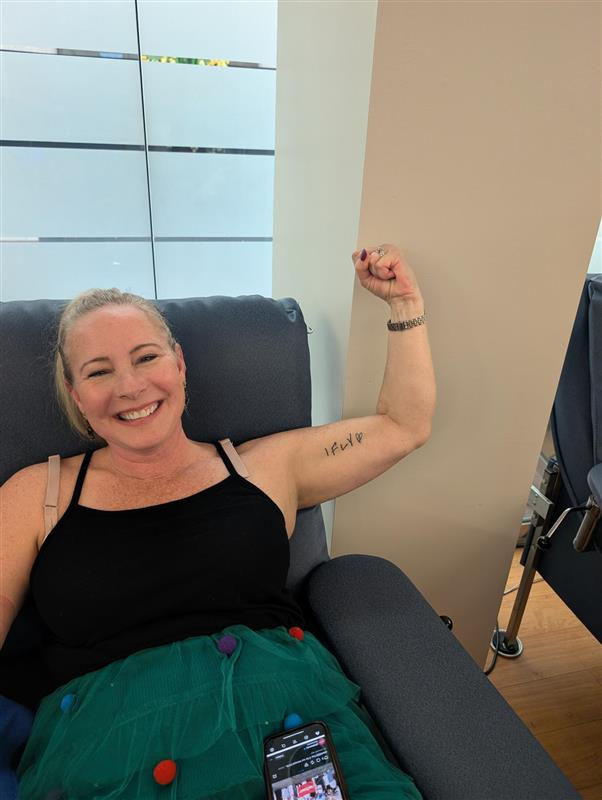
- Tattoos are acceptable if applied using sterile techniques, single-use ink, and in state-regulated facilities in Ohio, Kentucky, Indiana or other approved states. Otherwise a three-month deferral applies.
- Tattoos not applied in a state-regulated facility require a three-month deferral.
- Ear and body piercings performed with sterile, single-use equipment are acceptable; otherwise, a three-month deferral applies.
- You may donate as long as the tattoo or piercing site is dry, healed and pain-free.
Travel restrictions
The FDA restricts donors who have visited a malaria-risk region for 24 consecutive hours or more. Short visits such as cruises or day trips under 24 hours do not result in a deferral. To learn more about what the FDA deems a malaria-risk region, contact Donor Services at (513) 558-1304.
Medications
Many medications do not prevent blood donation, including:
- Aspirin: Allowed for whole blood; platelet donors must wait two days
- Birth control
- Blood pressure medications (if blood pressure is controlled)
- Antibiotics (after completing the course and feeling well)
- Diabetes medications: Both oral and insulin-dependent diabetics may donate
- Heart disease and other common medications
If you have ever taken the following medications, this will result in a permanent deferral:
- Any medication used to treat HIV (also known as antiretroviral therapy or ART)
- Tegison (etretinate), used to treat psoriasis
For a complete list of medication deferrals, follow this link. If you require further assistance, contact Donor Services at (513) 558-1304.
Deferral for Mad Cow Disease
In 2022, Hoxworth removed the indefinite deferral of donors who previously traveled to or lived in the United Kingdom, France or Ireland. The deferral was related to a theoretical risk of transmitting Cruetzfeldt-Jakob Disease (also known as Mad Cow Disease) to blood transfusion recipients. The FDA has determined this is no longer a concern for donors who have previously lived in the United Kingdom or other European countries.
If you were previously deferred due to travel risks associated with CJD, please call Hoxworth Blood Center at (513) 558-1304. A review of your history is needed prior to a blood or platelet donation, so existing deferrals can be appropriately removed.
The bottom line
All blood donations undergo extensive testing to screen for infections and ensure safety for the recipient. Deferrals and pre-screening help protect both donors and recipients before this step. If a donation tests positive for an infection, the donor will be notified, and the blood will not be transfused.
In general, if you feel healthy and pass the pre-screening process, you are safe to donate blood or blood products. If you have concerns about your health, consult your doctor. We are grateful to have you be part of the Hoxworth mission: Saving Lives Close to Home.
About Hoxworth Blood Center
Hoxworth Blood Center, University of Cincinnati, was founded in 1938 and serves more than 30 hospitals in 18 counties in Southwestern Ohio, Northern Kentucky and Southeastern Indiana. Annually, Hoxworth collects more than 100,000 units of blood from local donors to help save the lives of patients in area hospitals. Hoxworth Blood Center: Saving Lives Close to Home.
Related Stories
Hoxworth Blood Center, Music Hall invite blood donors to a Symphony of Saving Lives on March 31
March 19, 2026
Hoxworth Blood Center, University of Cincinnati, is calling on the music community to roll up their sleeves this March at an unforgettable specialty blood drive at Music Hall, where the power of music meets the power of saving lives.
Hoxworth teams up with Cincinnati Reds
March 27, 2026
Reds fans and the Greater Cincinnati community have a chance to hit a home run for local hospital patients this April. Hoxworth Blood Center, University of Cincinnati, is teaming up with the Cincinnati Reds to offer donors an exclusive Reds windbreaker as a thank-you gift for giving blood in April.
Hoxworth Blood Center teams up with Cyclones in February for biggest blood drive event of year
January 30, 2026
Hoxworth Blood Center, University of Cincinnati, is teaming up with the Cyclones and other local businesses to host its annual Queen City Blood Drive on Feb. 9-11 at Heritage Bank Center. If you can’t attend this event, Hoxworth encourages you to still make donating a #HoxworthHabit and give blood this February.