Which groceries are getting more expensive?
UC expert weighs in on price fluctuations

According to recent reporting from Local 12, factors like fuel prices are raising the costs and lowering availability of a variety of grocery items, including meats, seafood and produce.
The University of Cincinnati’s Alpaugh Family Economics Center has been tracking grocery prices in the tri-state area with Local 12 since August 2025.
Gary Painter, economics expert and academic director of real estate at Lindner College of Business, offered insight on why certain products are harder to find recently.
“Typically, in the winter months, we are going to import things like bell peppers from warm-weather places,” Painter told Local 12. “We’re in kind of the in-between, where those growing seasons are done.”
He said that as stores swap from imported goods to locally grown produce, it can make keeping stock difficult, especially with increased fuel costs.
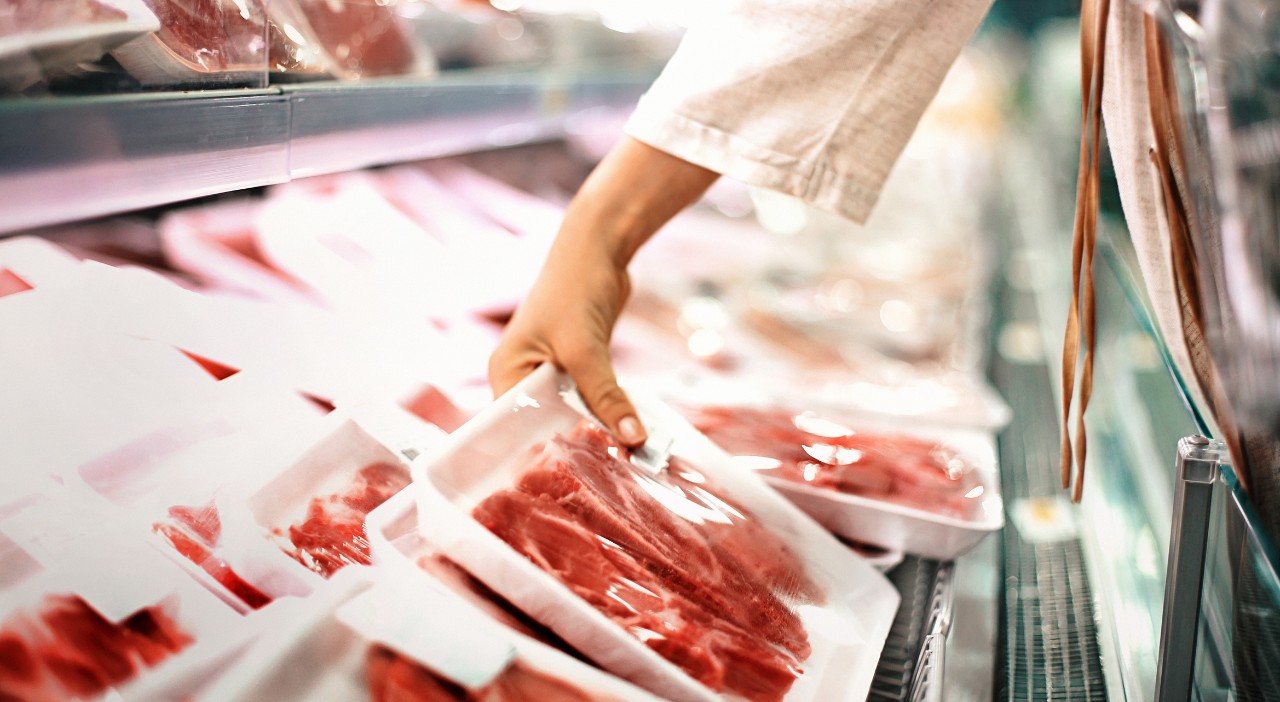
Featured image at top of beef at a grocery store. Photo/iStock
Related Stories
NPR: What would happen if student loans were forgiven?
March 27, 2023
NPR's Marketplace wanted to know what would happen if some or all student loans were forgiven and turned to experts, including University of Cincinnati economist Michael Jones.
How student loan forgiveness could affect the economy
March 8, 2023
The Supreme Court's decision as to whether President Joe Biden has the authority to cancel student loan debt will affect the economy and how people think about financing their college education, University of Cincinnati economist Michael Jones said.
WLWT: Will an interest rate pause provide relief for shoppers?
June 15, 2023
Michael Jones, PhD, Carl H. Lindner College of Business associate professor of economics and academic director of the Kautz-Uible Economic Institute, reflected on the Federal Reserve’s decision to not raise interest rates after 10 consecutive rate increases.