UC Infertility Specialists Share Hope With LIVESTRONG Foundation

CINCINNATIModern medicine gives young adults a better chance at surviving cancer and other serious diseases than ever before. The cures, however, such as chemotherapy, radiation and surgery, can sometimes kill the chances of reproducing.
Thats why the University of Cincinnatis Center for Reproductive Health has partnered with the
, a program created by the Lance Armstrong LIVESTRONG Foundation to provide educational, moral and financial support to patients whose medical treatment could rob them of biological parenthood.
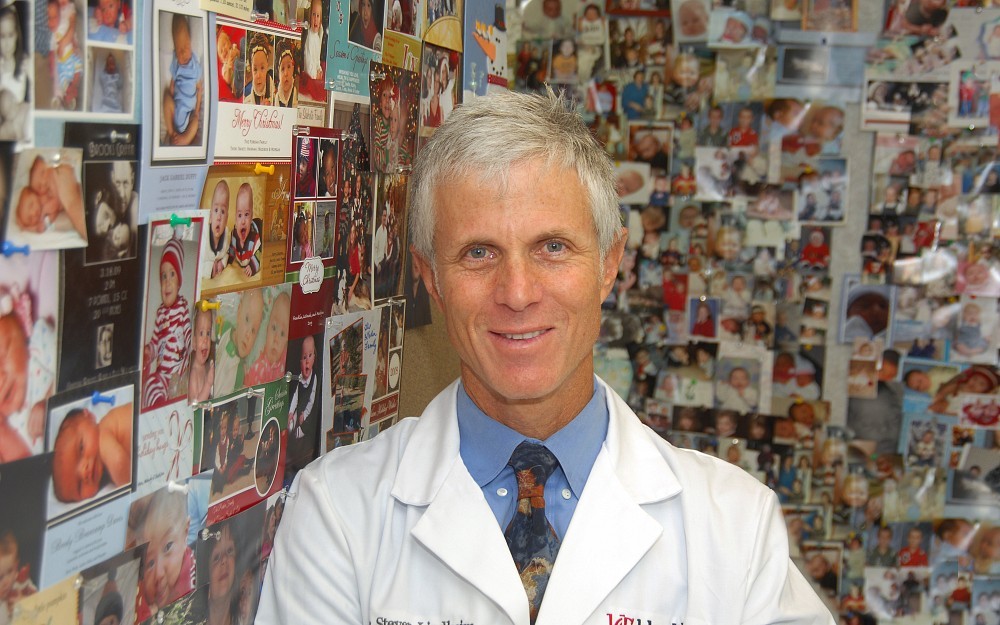
"Most cancer patients are of reproductive age, and it can be very emotional and expensive for a young person to handle all thats being thrown at thema diagnosis, plus the risk of infertility, says Steven Lindheim, MD, the reproductive endocrinologist who leads UC Healths participation in Sharing Hope and the
The consortium is a national, interdisciplinary initiative designed to explore the reproductive future of cancer survivors and is supported by the National Institutes of Health. As one of 50 sites in the consortium, UC Health provides both men and women options for preserving their reproductive health with egg, embryo, sperm and ovarian tissue freezing.
In many cases, Lindheim says, these options are not covered by insurance; thus the partnering with LIVESTRONGs Sharing Hope. The foundation does not provide funding to patients, but instead has worked with companies and clinics to arrange for discounted services and donated medications for those who qualify.
Every case is unique, but according to the application guidelines a must is that the patient has not undergone any medical treatments prior to applying.
In most cases it takes less than two weeks to harvest eggs for preservation, Lindheim says, and treating physicians such as oncologists are doing a much better job of referring patients for infertility counseling.
"Preservation attempts are not necessarily cost prohibitive and dont always involve banking, says Lindheim, adding that there are also medications that help protect the reproductive organs.
The UC Health Center for Reproductive Health is widely known for its in vitro fertilization program, which started in 1989 and is one of the areas most experienced infertility centers, achieving pregnancy rates at or above the national average.
>
The center is a member of LIVESTRONGs Sharing Hope Program, which works to increase access to fertility preservation services for cancer patients.
To apply or for more information, please visit www.livestrong.org/fertilehope call the center at (513) 585-2355.
Tags
Related Stories
UC radiation oncologist speaks with Local 12 news about clinical trial for head and neck cancer treatment
August 10, 2026

Dr. Sara Medek, a UC radiation oncology professor, speaks with Local 12 news about a new clinical trial aimed at reducing radiation in certain areas while still treating cancer effectively but with fewer painful side effects.
Cancer Center director charts future based on collaboration, AI
August 10, 2026

David Gius, MD, PhD, was featured in a Cincinnati Business Courier article and The Cancer Letter’s “The Directors" podcast discussing his priorities and goals as he recently took the helm as director of the University of Cincinnati Cancer Center.
Bidirectional link between oral, kidney health calls for patient education, access
August 4, 2026

Despite growing awareness of the connection between oral health and chronic health conditions, patient awareness and access to dental care remain limited, according to University of Cincinnati experts who recently spoke with Healio | Nephrology News & Issues.