Cancer Biomarker Detectable by Blood Test Could Improve Prostate Cancer Detection

CINCINNATIA new study supports the use of a DNA-based "biomarker blood test as a complement to the prostate-specific antigen (PSA) test currently offered to screen men for prostate cancer. University of Cincinnati (UC) researchers report their findings online ahead of print in the British Journal of Cancer.
Researchers conducted a meta-analysis of existing published data related to DNA methylation in bodily fluids. The goal was to evaluate a specific cancer biomarkerknown as GSTP1as a screening tool for prostate cancer.
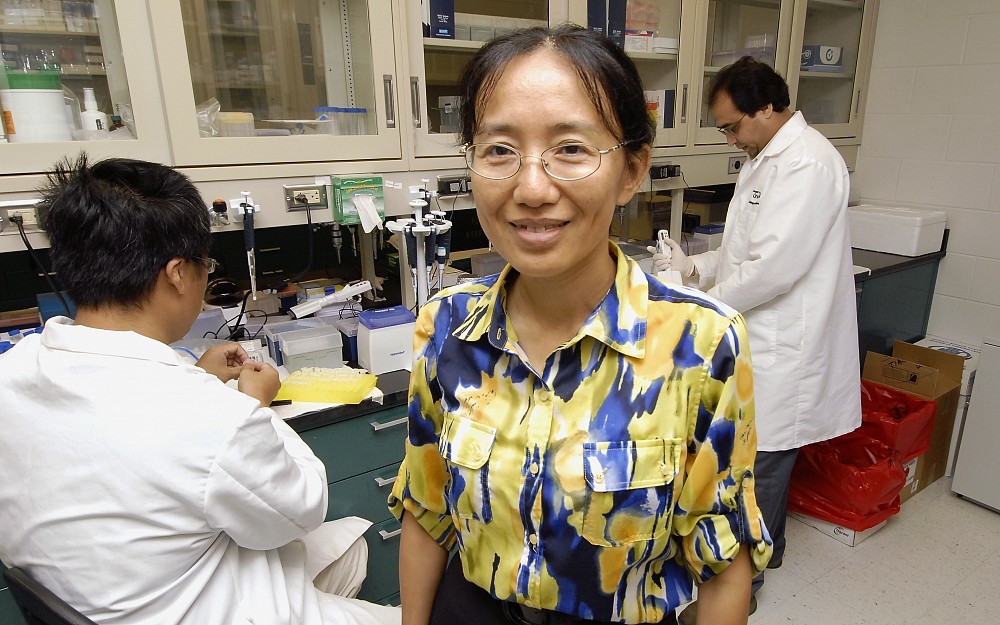
The study was a cross-disciplinary collaborative effort of UC molecular epidemiologist Tianying Wu, MD, PhD, epigenetic expert and UC environmental health chair Shuk-Mei Ho, PhD, former UC environmental health post-doc Wang-Yee Tang, PhD, UC statistician Jeff Welge and Harvard cancer epidemiologist Edward Giovannucci, MD. Wus postdoctoral fellow Palash Mallick, PhD, also contributed to the study.
Wu merged epidemiologic and molecular data from 22 studies conducted in the United States and Europe between 2000 and 2009. More than 2000 human biologic samples (1,635 prostate cancer cases and 573 controls) were analyzed for the current study, including whole blood, plasma, urine, ejaculates and other secretions.
Wu determined that GSTP1 was a statistically significant biomarker for prostate cancer and could increase the specificity of prostate cancer diagnosis by up to 70 percent as compared to using the PSA test alone.
"The PSA test is highly sensitive, but it cannot differentiate between prostate cancer and benign prostatic conditions such as benign prostatic hyperplasia, leading many men to have unnecessary biopsies, says Wu, lead author of the study and assistant professor of environmental health at UC.
"It is unlikely that we would find a marker that has the same sensitivity as PSA, she adds, "but finding a highly specific circulating biomarker like GSTP1 that complements the PSA test could greatly improve the accuracy of prostate cancer detection before recommending patients for an invasive biopsy.
Alterations of the DNA methylation process are commonly associated with cancerous tumor growth and changes can be detected in bodily fluids. GSTP1 DNA methylation is particularly associated with prostate cancer and can be detected in the bloodstream using high throughput standardized molecular biology techniques.
Funding for this project was provided through a number of sources, including the National Cancer Institute, UCs Center for Environmental Genetics and Clinical and Translational Science Award from the National Institutes of Health (NIH), with additional support from Hos NIH grants and Wus research start-up funds.
Tags
Related Stories
UC radiation oncologist speaks with Local 12 news about clinical trial for head and neck cancer treatment
August 10, 2026

Dr. Sara Medek, a UC radiation oncology professor, speaks with Local 12 news about a new clinical trial aimed at reducing radiation in certain areas while still treating cancer effectively but with fewer painful side effects.
Cancer Center director charts future based on collaboration, AI
August 10, 2026

David Gius, MD, PhD, was featured in a Cincinnati Business Courier article and The Cancer Letter’s “The Directors" podcast discussing his priorities and goals as he recently took the helm as director of the University of Cincinnati Cancer Center.
Bidirectional link between oral, kidney health calls for patient education, access
August 4, 2026

Despite growing awareness of the connection between oral health and chronic health conditions, patient awareness and access to dental care remain limited, according to University of Cincinnati experts who recently spoke with Healio | Nephrology News & Issues.