UC to Study Generic vs. Brand-Name Transplant Drugs with a $2.7M FDA Grant

CINCINNATIA new study at the University of Cincinnati (UC) seeks to end the questions over generic-vs.-brand for a common immunosuppressive drug for transplant patients, tacrolimus.
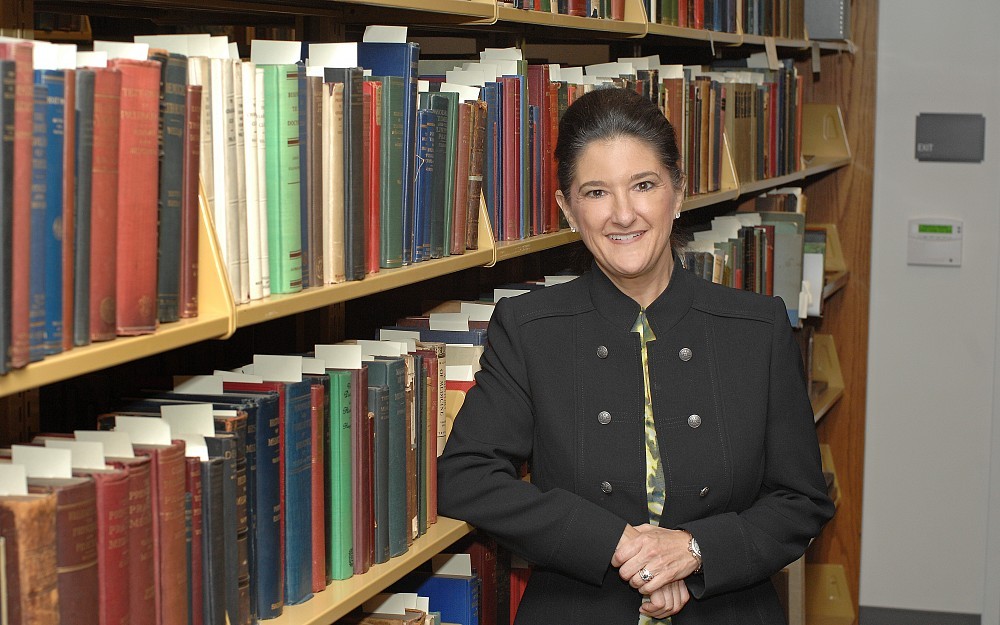
Rita Alloway, PharmD, UC research professor of medicine and director of transplant clinical research within the UC Department of Internal Medicine, has received a $2.7 million U.S. Food and Drug Administration grant to run a clinical trial studying the immunosuppressant tacrolimus (Prograf) against two other generic manufacturers in liver and kidney transplant patients.
Tacrolimus is a "cornerstone drug in post-transplant immunosuppression, used after transplant to reduce the activity of the patients immune system and lower the risk of rejection. Its also a critical dose druga medication in which the dosage level between efficacy and unwanted side effects is very close.
"Most immunosuppressant drugs require individualized dosing and careful management to ensure the proper blood concentrations are maintained, says Alloway. "Too high exposure to these drugs increases the risk of toxicity, over-immunosuppression and cancer in patents. Too low exposure may lead to rejection of the organ by the patients immune system.
Alloway says these conditions have led transplant physicians and their patients to be wary of using generic immunosuppressantsconcerned that the quality, pharmacokinetics and therapeutic efficacy of these new drugs may differ from the branded, or innovator, product.
Her study aims to address these concerns in a prospective, blinded, six-way crossover study in kidney and liver transplant patients testing whether the two most disparate generics, based on potency, purity, and dissolution ( "Generic Hi and "Generic Lo), are bioequivalent to the innovator version in stable transplant patients.
"Currently more than 50 percent of transplant patients are dispensed generic tacrolimus, says Alloway. "The largest concern for clinicians is the switchability between various generics. When patients receive their prescription, they could be getting medication from different manufacturers each month. Were investigating whether even the most disparate generics have the same efficacy in healthy post-transplant patients.
Collaborators in the study include Uwe Christians, MD, PhD, professor of anesthesiology at the University of Colorado, and Sander Vinks, PharmD, PhD, UC professor of pediatrics and director of the Division of Clinical Pharmacology at Cincinnati Childrens Hospital Medical Center.
"These collaborators provide expertise in tacrolimus level analysis and pharmacokinetic data analysis, says Alloway. "The study design will incorporate the most sensitive and specific tacrolimus level analysis while evaluating different methods of bioequivalence data analysis.
"In addition, we plan to evaluate patients designated genetically as 'poor absorbers' or 'high metabolizers,' patients at a greater risk of receiving lower or higher concentrations of the medication than desired. That will allow us to further characterize unique factors which may affect tacrolimus levels of different manufacturers.
The trial will enroll 72 transplant patients36 kidneys and 36 liverstransplanted in the UC Health University Hospital and Christ Hospital transplant programs starting early 2013.
Alloway is an internationally recognized expert on generic immunosuppressive drug development and FDA approval standards. She will present the grant to a meeting of the FDA, the American Society of Transplantation and American Society of Transplant Surgeons Monday, Oct. 22, in Washington, D.C.
Tags
Related Stories
UC radiation oncologist speaks with Local 12 news about clinical trial for head and neck cancer treatment
August 10, 2026

Dr. Sara Medek, a UC radiation oncology professor, speaks with Local 12 news about a new clinical trial aimed at reducing radiation in certain areas while still treating cancer effectively but with fewer painful side effects.
Cancer Center director charts future based on collaboration, AI
August 10, 2026

David Gius, MD, PhD, was featured in a Cincinnati Business Courier article and The Cancer Letter’s “The Directors" podcast discussing his priorities and goals as he recently took the helm as director of the University of Cincinnati Cancer Center.
Bidirectional link between oral, kidney health calls for patient education, access
August 4, 2026

Despite growing awareness of the connection between oral health and chronic health conditions, patient awareness and access to dental care remain limited, according to University of Cincinnati experts who recently spoke with Healio | Nephrology News & Issues.