The Wire: Prejudice against Dalits
UC expert on Dalit culture: How prejudice can travel from India to the U.S.

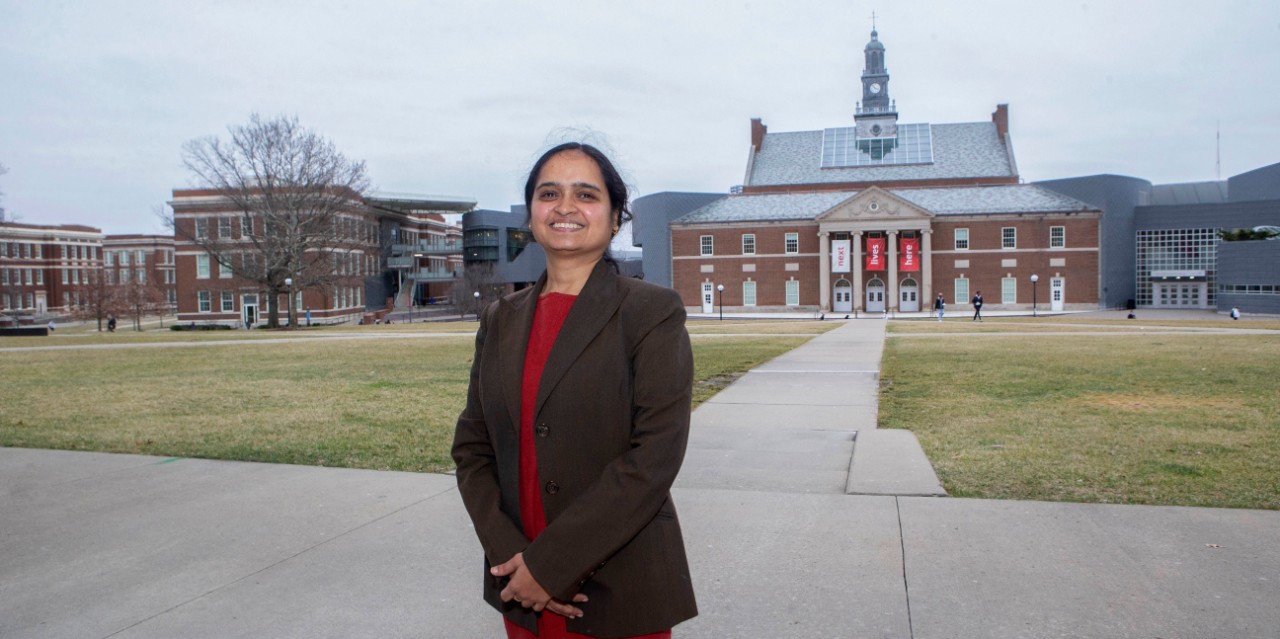
In an article in The Wire adressing discrimination allegations against Cisco, Shailaja Paik, a University of Cincinnati associate professor in the Department of History, likens the modern-day expression of the centuries-old Indian caste system to the mutation of a virus. At a time when the world is reeling from the coronavirus pandemic, she says feels the caste system is an even more dangerous malaise — “a shape-shifting virus than travels across continents and mutates over time.”
Paik, who has extensively researched the oppression of Dalits, talks of the transnationalisation of caste, as Indians carry the baggage of caste across oceans, with dominant oppressor castes trying to recreate structures of power and privilege.
>Read a profile of Dr. Paik and her journey from the slums of India to academia
Impact Lives Here
The University of Cincinnati is leading public urban universities into a new era of innovation and impact. Our faculty, staff and students are saving lives, changing outcomes and bending the future in our city's direction. Next Lives Here.
Related Stories
Mistakes to avoid when shopping for a product dupe
August 13, 2026

The University of Cincinnati’s Kelly Dobos was featured in an AARP article discussing ways to determine if “dupe” cosmetic products really are comparable to the more expensive name brand.
Ancient warming event hints at potential climate tipping point
August 12, 2026

Researchers say a spike in temperatures during an ice age 304 million years ago could inform what climate scientists are learning about rapidly changing conditions today.
What is a trademark?
August 11, 2026

Sean Owens, an adjunct professor in the Donald P. Klekamp College of Law, discussed trademark law with the Dayton Daily News. Owens is also a partner at intellectual property law firm Wood Herron & Evans in Cincinnati.