SHAPE: The best fragrance-free shampoo for sensitive scalps
UC's cosmetics science experts describe what fragrance free means to consumers

In a SHAPE Magazine article, cosmetic science experts at the University of Cincinnati's James L. Winkle College of Pharmacy provide insight into what the term “fragrance free” means in the personal care industry and to consumers.
People with sensitive skin, known fragrance allergies, or a poor skin barrier would benefit from fragrance-free shampoo formulations, say cosmetic scientists KP Ananth, professor and director of the cosmetics science program and Trang Vu, a cosmetic sciences researcher and Ph.D. candidate at the college.
UC’s cosmetic science degree program is the oldest and largest in the country and was the first to offer a doctorate in cosmetic science.
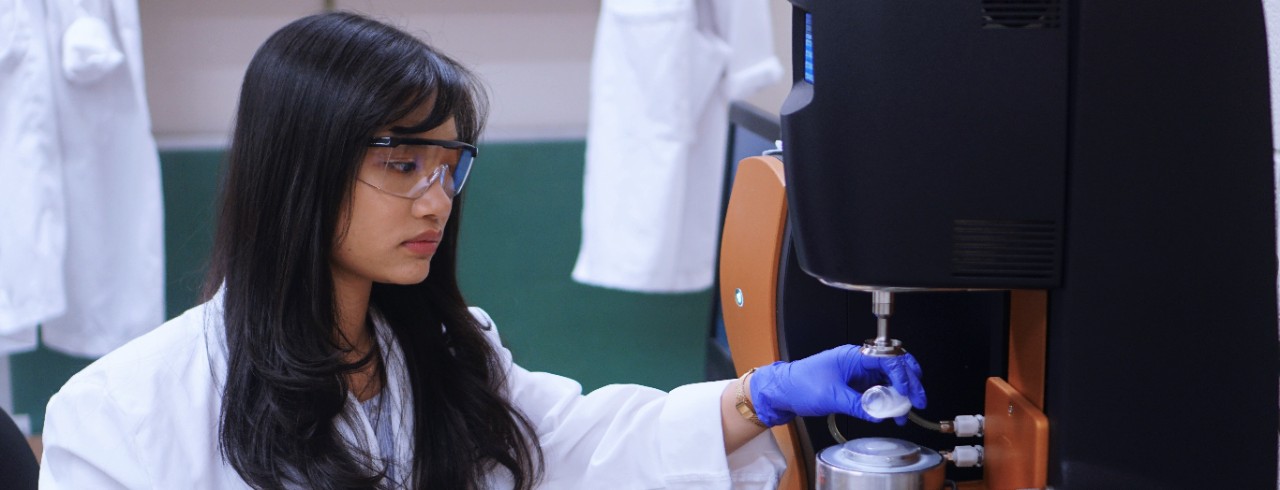
Featured Image: Vu Trang in her labratory at UC. Photo provided/Trang
Impact Lives Here
The University of Cincinnati is leading public urban universities into a new era of innovation and impact. Our faculty, staff and students are saving lives, changing outcomes and bending the future in our city's direction. Next Lives Here.
Related Stories
UC study shows lack of awareness for lung cancer screenings across country
August 21, 2026
University of Cincinnati Cancer Center researchers have published a study in the American Journal of Surgery that found only 15% of eligible American adults have discussed lung cancer screening with their doctors.This research emphasizes the need to spread awareness and better educate the public about screening through low-dose computed tomography.
Boutique shopping is 'in vogue'
August 20, 2026

Tessa Clark, DAAP alum and fashion designer, owns Idlewild, an OTR shop recently featured in both the New York Times and Vogue.
CCM shares 2026-27 calendar of ticketed + free performances and events
August 20, 2026
Experience world-class performances by the next generation of performing and media artists at the University of Cincinnati College-Conservatory of Music (CCM). With more than 130 different performances and events, there is something happening nearly every week of the school year!