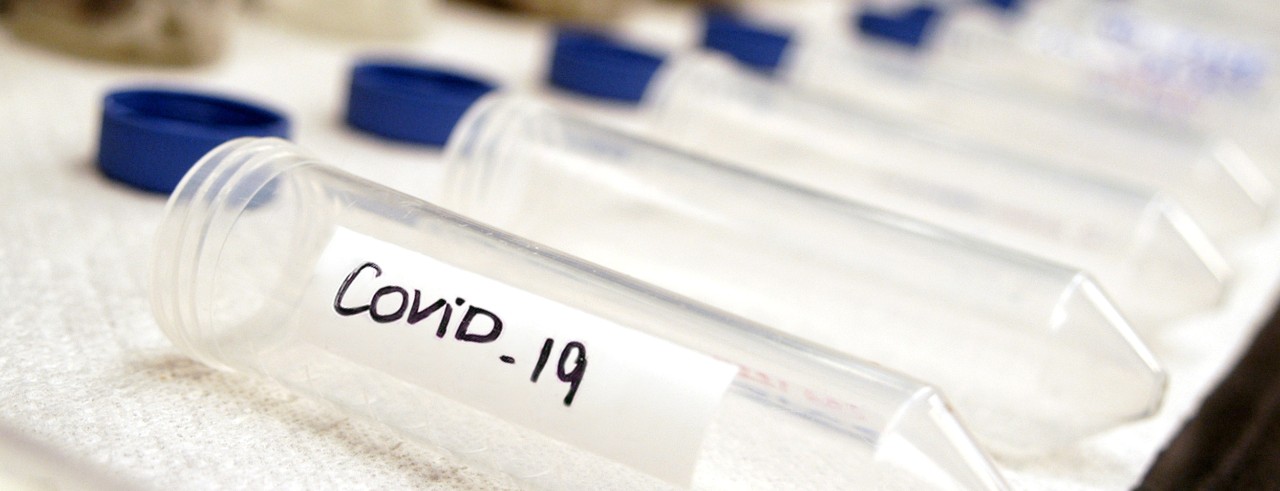
Healthline: Controversial studies find COVID-19 may be far more widespread than previously known
UC expert says lack of testing could be a factor

Healthline interviewed Dr. Carl Fichtenbaum of the UC Division of Infectious Diseases for a news story on two studies in California finding that COVID-19 may be much more widespread than previously thought.
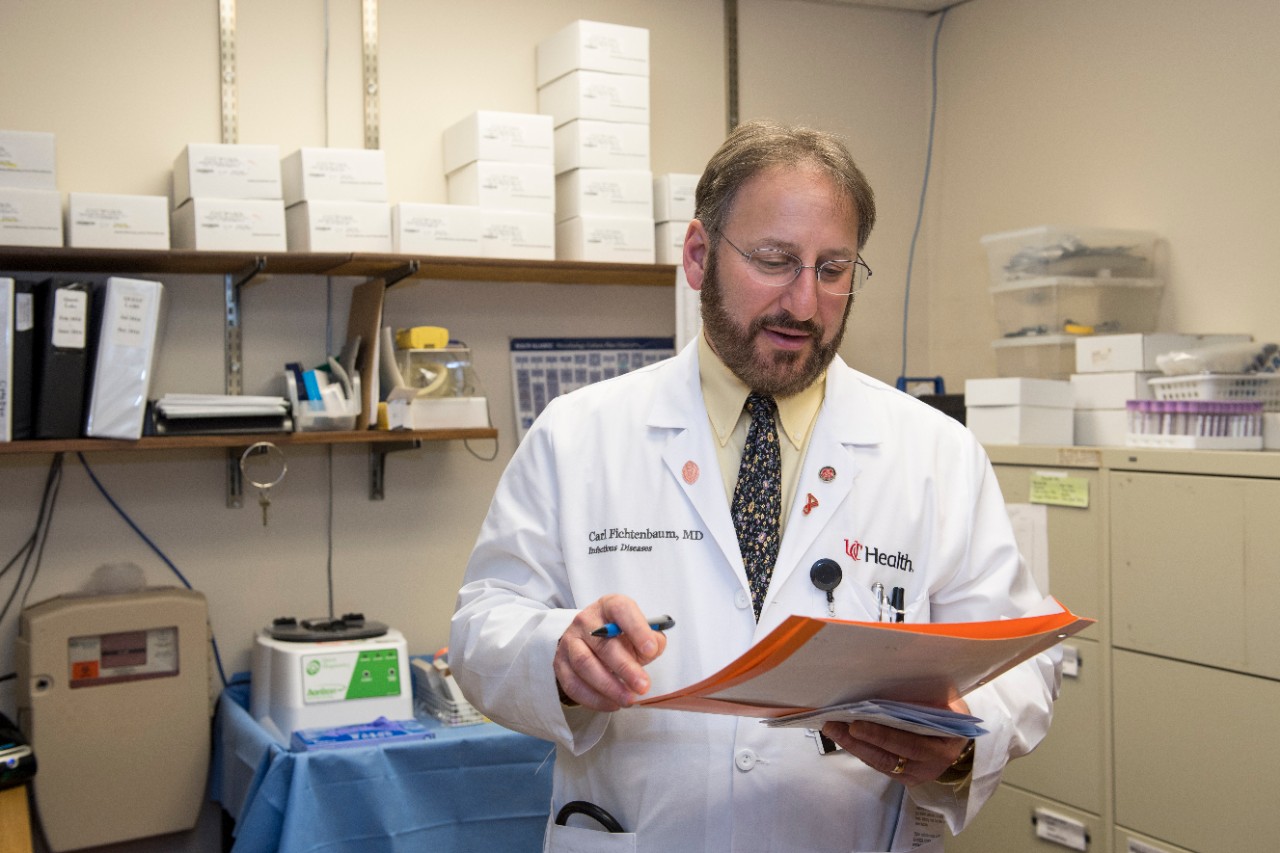
Dr. Carl Fichtenbaum of the UC Division of Infectious Diseases. Photo/Colleen Kelley/UC Creative + Brand
Fichtenbaum said one of the reasons for the discrepancy was a lack of testing.
“Because testing for the virus is not widely available due to lack of supplies, reagents, and machines, it’s not surprising that a sero-epidemiologic survey would find more individuals with infection,” Fichtenbaum said.
Read the entire article here.
Find the latest details related to coronavirus disease 2019 (covid-19) on the Centers for Disease Control and Prevention (CDC) website, and follow UC's latest information with regard to the virus.
Related Stories
Treating opioid use during pregnancy to take center stage during Addiction Center series
May 25, 2026
Join the University of Cincinnati on June 10 for a unique conversation on opioid use disorder during pregnancy, featuring landmark trial data and firsthand patient lived experience.
Supreme Court takes another look at Title IX
May 22, 2026

Anne Lofaso, a professor in the University of Cincinnati Donald P. Klekamp College of Law, spoke with Bloomberg Law for a story about the Supreme Court reviewing whether Title IX may allow workers to sue for job bias.
'T. rex of the sea' discovered in Texas
May 22, 2026

UC Associate Professor Takuya Konishi talks to the Dallas Morning News about a new species of mosasaur found in Texas.