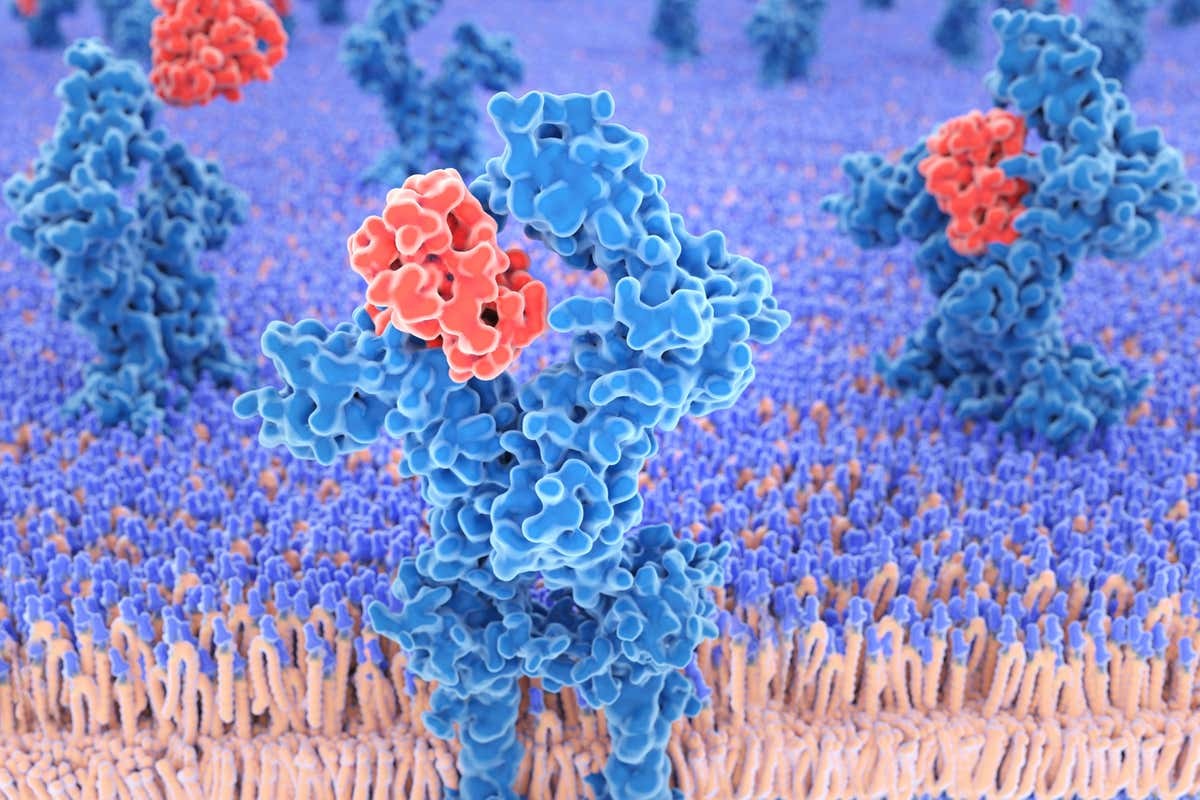
Health.com: What is a cytokine storm?
UC expert explains how some COVID-19 patients' immune systems turn deadly

Health.com interviewed Dr. Carl Fichtenbaum of the UC Division of Infectious Diseases for a story on the impact cytokine storms have on the immune systems of COVID-19 patients.
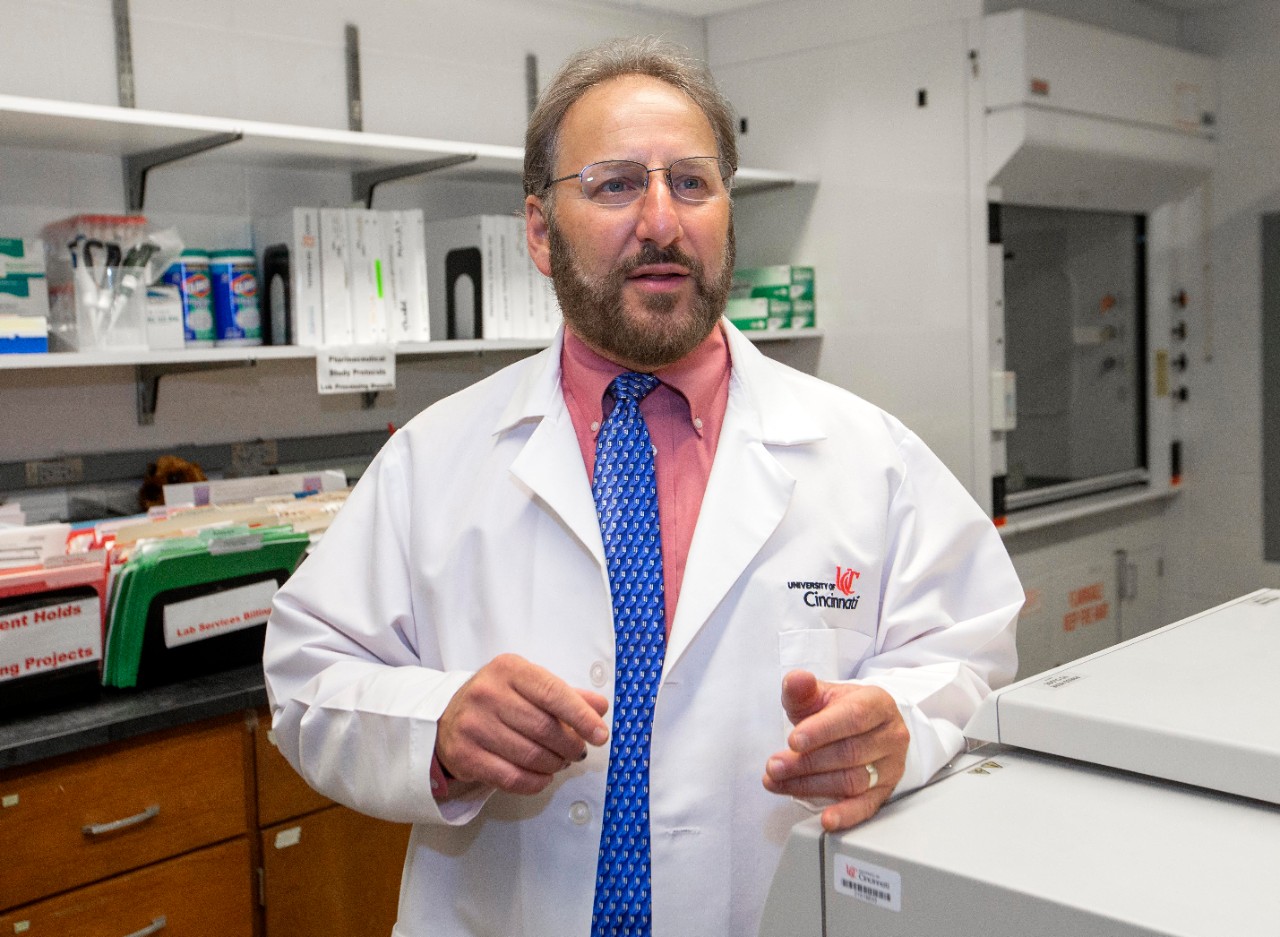
Dr. Carl Fichtenbaum of the UC Division of Infectious Diseases. Photo/Joe Fuqua III/UC Creative + Brand
One of the most mystifying aspects of the pandemic is why some patients have no symptoms while others get so sick they need to be put on a ventilator.
Fichtenbaum says part of the body's response to an infection involves releasing cytokines, biological chemicals that stimulate cell pathways and allow for communication between cells.
"Normally, cytokines are meant to be helpful to us in moderation," explains Dr. Fichtenbaum, "but when a certain pathway is engaged [too much] the immune system starts causing damage to the patient."
Read the full article here.
Featured image at top of a cytokine storm/Getty Images
Find the latest details related to coronavirus disease 2019 (covid-19) on the Centers for Disease Control and Prevention (CDC) website, and follow UC's latest information with regard to the virus.
Related Stories
President Pinto’s 2nd glow party brings first-year Bearcats together
September 20, 2026
UC President Neville Pinto and team hosted the second annual Bright Beginnings glow party for first-year students
How phone scammers use your own voice against you
September 18, 2026

The Wall Street Journal recently did a deep dive on how artificial intelligence is making scamming people over the phone much easier, citing research by Kimberly Hyun, assistant professor of marketing at UC’s Lindner College of Business.
Gas prices spike... Again
September 18, 2026

UC economist Gary Painter goes through the tactics companies use to keep their consumer bases amid rising oil costs.