
Smithsonian: UC researchers uncover ancient Maya water filtration
UC archaeologists discover sophisticated filtration system at Tikal

Smithsonian Magazine highlighted the discovery by University of Cincinnati archaeologists of an advanced filtration system in the ancient Maya city of Tikal.
UC anthropology professor Kenneth Barnett Tankersley led a multidisciplinary archaeology team that included biologists and geographers in what is now northern Guatemala.

Kenneth Tankersley. Photo/Provided
They found that the ancient Maya imported natural minerals, including quartz and zeolite, for a water filtration system in the Corriental reservoir, believed to be an important source of drinking water for residents of the prehistoric city.
UC’s discovery was published in the journal Scientific Reports.
“What’s interesting is this system would still be effective today and the Maya discovered it more than 2,000 years ago," Tankersley said.
Science Magazine also joined the international media that took interest in UC's findings.
Tikal was a bustling city for about 1,000 years, reaching its peak of population density around the seventh century, according to Science.
“It was one of the preeminent Maya cities,” UC geography professor Nicholas Dunning told Science.
Featured image at top: The ancient Maya city of Tikal in Guatemala. Photo/Jimmy Baum/Wikimedia Commons
UC's ancient Maya insights in the news
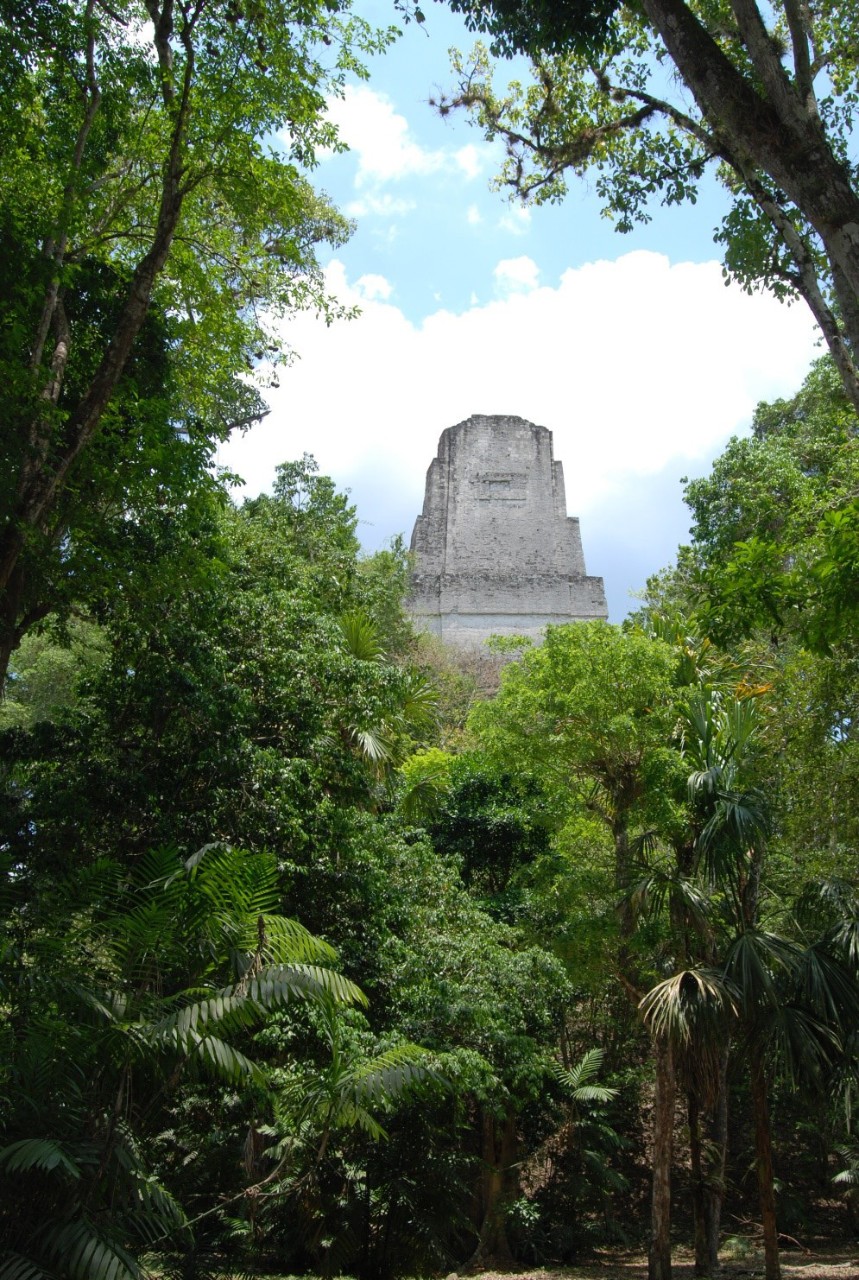
A temple rises above the rainforest in the ancient Maya city of Tikal. Photo/David Lentz
Yahoo! News: Ancient Maya built sophisticated water filters that 'would still work today'
Daily Mail: Ancient Maya water purification system 'would still work today,' study shows
Science Daily: Ancient Maya built sophisticated water filters
The Independent: Ancient Mayan societies built sophisticated water filters using materials used in modern purification systems
Daily Express: Archaeology news: Maya built water filtration systems that would be effective today
Sci-News: Ancient Maya used zeolite and quartz to filter drinking water
The Science Times: New archaeological dig finds advanced water filters from Maya civilization
Related Stories
'There's a strong community here:' UC transfer student finds place in College of Arts and Sciences
October 23, 2026
This week marks National Transfer Students Week, and the College of Arts and Sciences celebrated those students Thursday. Olivia White, assistant director of recruitment, said around 13-15% of students at UC are transfer students, and with that comes its own set of challenges.
UC expert explains potential impact of Pennsylvania’s new vape product law
October 22, 2026

UC professor Ashley Merianos speaks to the Pittsburgh Post-Gazette about Pennsylvania’s new vape law, youth vaping prevention, enforcement challenges and possible unintended consequences.
Still the top ‘cat
October 20, 2026

The University of Cincinnati Bearcat mascot was voted Cincinnati’s favorite mascot in a Cincinnati Enquirer reader poll, earning 45.1% of the vote and topping other local favorites.