
NPR: Excavations reveal sophisticated Mayan water filtration
A multidisciplinary team of UC researchers makes a startling find at Tikal

NPR's Weekend Edition talked to University of Cincinnati researchers about their amazing discovery that the ancient Maya created a sophisticated filtration system to keep drinking water clean.
A multidisciplinary team of biologists, anthropologists and geographers in UC's College of Arts and Sciences found evidence that the ancient Maya imported materials such as sand and zeolite for the express purpose of filtering water stored in the reservoirs that largely provided their only potable water during the dry season.
UC's findings were published this month in the journal Scientific Reports.
NPR host Scott Simon talked to one of the co-authors, UC biology professor David Lentz, about the team's discovery.
"The Maya were a very clever and inventive people. They had stunning architecture. They had beautiful sculptures. They were adept at astronomy. They had mathematics," Lentz said.
The project included lead author and UC associate professor of anthropology Kenneth Barnett Tankersley, UC geography professor Nicholas Dunning, UC assistant research professor Christopher Carr and UC professor emeritus of anthropology Vernon Scarborough.
Featured image at top: The ancient Maya city of Tikal. Photo/Jimmy Baum/Unsplash
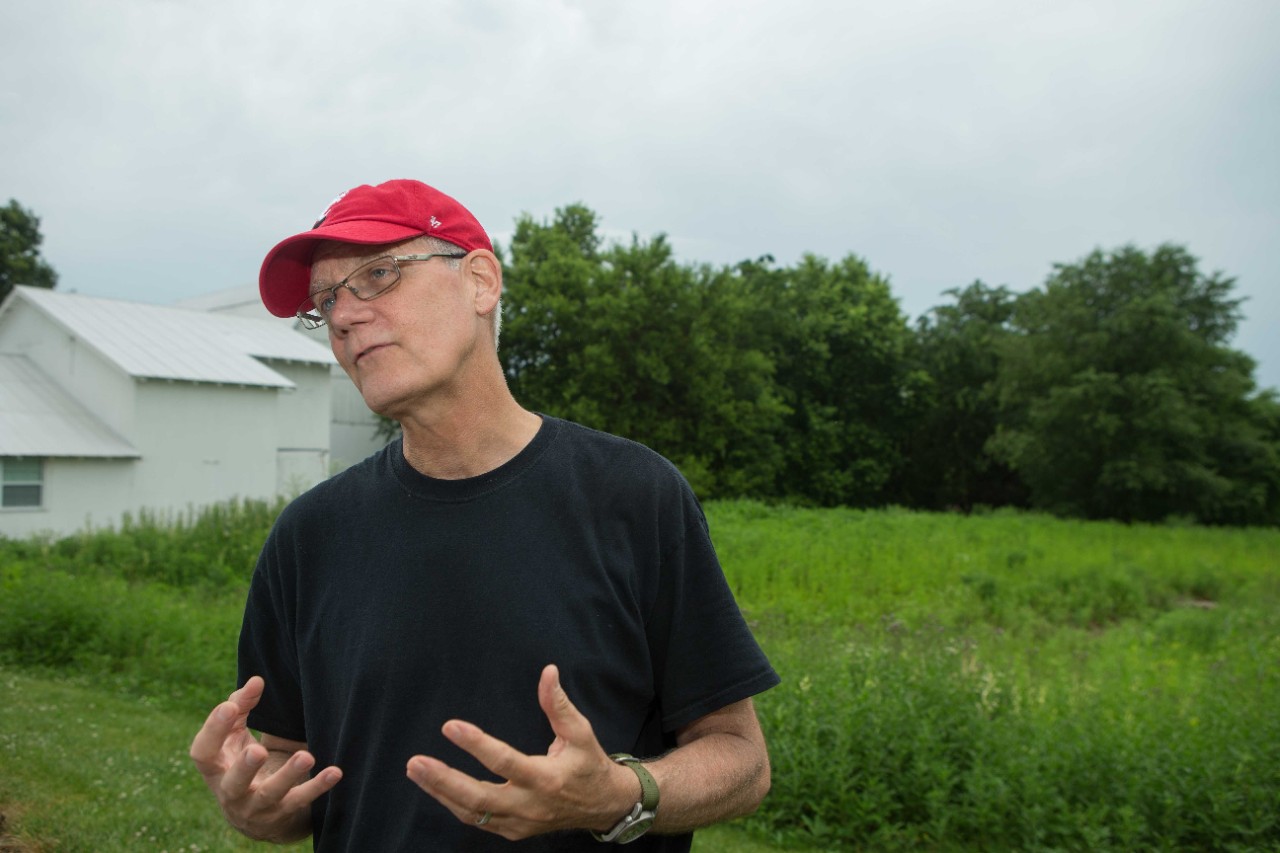
UC biology professor David Lentz, pictured at UC's Center for Field Studies, talked to NPR's Weekend Edition about UC's startling discoveries about the ancient Maya. Photo/Joseph Fuqua II/UC Creative + Brand
Related Stories
'There's a strong community here:' UC transfer student finds place in College of Arts and Sciences
October 23, 2026
This week marks National Transfer Students Week, and the College of Arts and Sciences celebrated those students Thursday. Olivia White, assistant director of recruitment, said around 13-15% of students at UC are transfer students, and with that comes its own set of challenges.
AI breast cancer survival model from Cancer Center could improve accuracy and personalize care
October 23, 2026
UC Cancer Center researchers, including lead author Wedad Alatebi, developed a deep learning survival model for breast cancer that combines detailed clinical and genetic information, potentially offering physicians a more accurate tool to guide treatment decisions.
UC expert explains potential impact of Pennsylvania’s new vape product law
October 22, 2026

UC professor Ashley Merianos speaks to the Pittsburgh Post-Gazette about Pennsylvania’s new vape law, youth vaping prevention, enforcement challenges and possible unintended consequences.