
Wired: Is psychedelic therapy bubble about to burst?
Wired talks to UC postdoctoral researcher about challenges facing alternative medicine

Wired turned to University of Cincinnati postdoctoral researcher Neşe Devenot to explain whether psychedelic therapies are showing promise in potential mental health treatments.
Researchers have been examining a variety of psychedelics from magic mushrooms to MDMA to LSD for their potential to treat a variety of conditions, including depression and post-traumatic stress disorder.
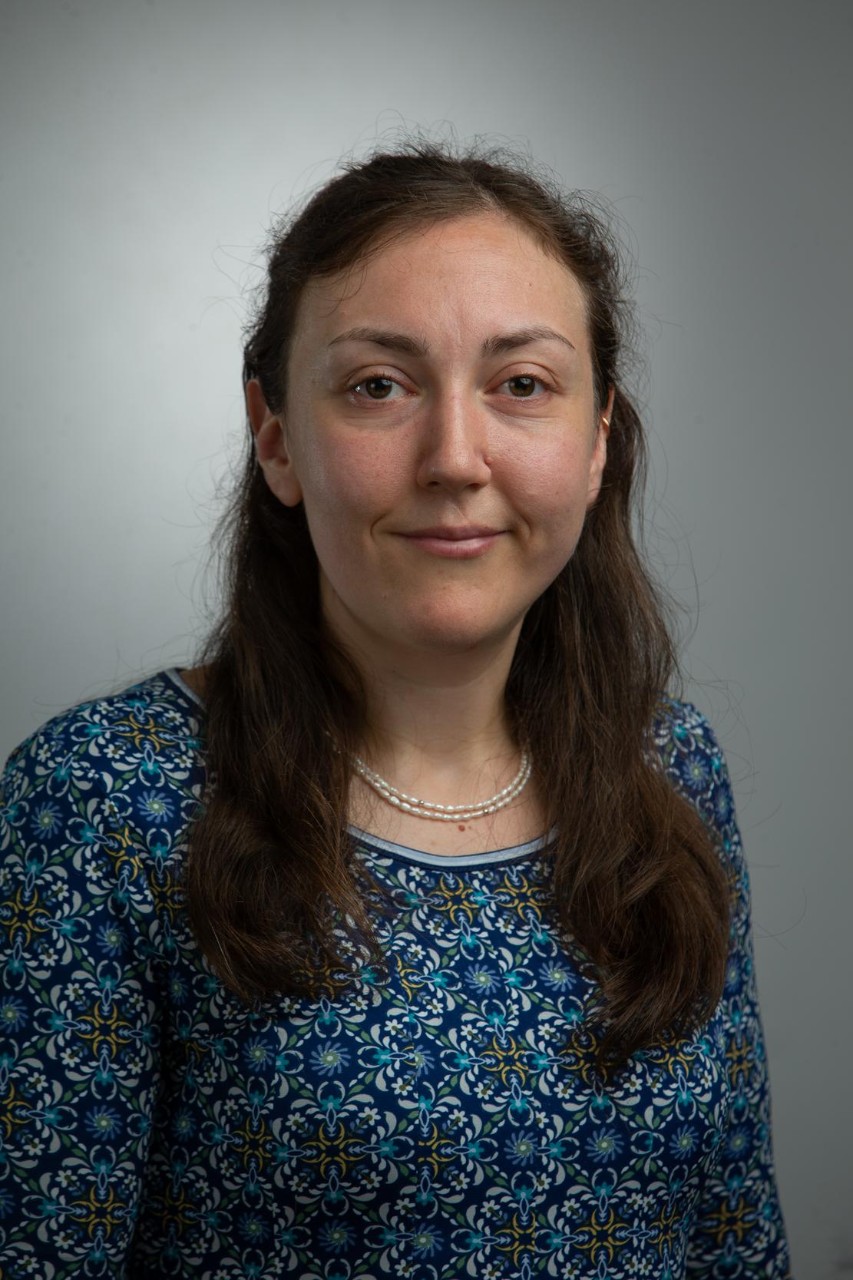
Neşe Devenot, a postdoctoral associate at UC's Institute for Research in Sensing. Photo/Andrew Higley/UC Marketing + Brand
Devenot is a postdoctoral researcher in associate professor Nathan Morehouse's Institute for Research in Sensing in UC's College of Arts and Sciences. (Read: Psychedelics Research Renaissance.)
According to Wired:
Psychedelics induce a specific kind of vulnerability, as they are known to enhance suggestibility and sexual feelings. That means addressing the risk of sexual abuse in psychedelic research and therapy should be prioritized as highly as the risks of hype, says Devenot, a postdoctoral associate at the Institute for Research in Sensing at the University of Cincinnati and a team member of Psymposia. “Historically, some of the scientists working in the field have really dismissed, discounted, and even ostracized the people who have spoken up about risk,” she says. Psychedelic researchers themselves haven’t spoken up much about this specific risk set, and Devenot says they need to.
Devenot contributed to a New York University study on anxiety treatments for cancer patients that was featured in a bestselling 2018 book by author Michael Pollan. A documentary series based on his book, titled “How to Change Your Mind,” premiered on Netflix in July.
Her research also critiques the hype that surrounds psychedelics, which has fueled a gold rush as companies seek to capitalize on psychedelic medicine. While acknowledging the positive potentials, she advocates for more rigorous science and for empowering the Indigenous and countercultural communities who have cultivated methods for working with psychedelics.
"Psychedelics are getting more attention from researchers right now because preliminary clinical trials have shown encouraging efficacy in treatments for conditions that are usually very hard to treat: addictions, post-traumatic stress disorder and major depression, where existing treatments are not especially effective," Devenot said. "That said, some of the early trials have been impacted by methodological issues and reports of harm by clinical trial participants, so these issues will need to be addressed before we can make any definitive claims about efficacy."
Related Stories
From hobbyist photographer to professional educator
October 9, 2026

DAAP alum and photographer HATSUE studied communication design after a pivot in high school from a track toward veterinary school. Today, they teach photography at 1001 Colors white working as an artist and curator in Cincinnati.
UC researcher to launch national study with $2.5 million NIH grant
October 9, 2026

A University of Cincinnati researcher has received a $2.5 million National Institutes of Health grant to conduct research during the next five years. Natalie Kreitzer, MD, a University of Cincinnati College of Medicine physician-researcher, received an R01 independent research grant from the NIH's Eunice Kennedy Shriver National Institute of Child Health and Human Development. The funding will support a test program for caregivers of patients with traumatic brain injury, as reported by the Cincinnati Business Courier.
Lighting up the skyline for Blink
October 9, 2026
A team of University of Cincinnati College-Conservatory of Music students designed “Echoes of Light,” a music-and-light installation on Ohio’s largest mural for BLINK, Cincinnati’s massive public light and art festival.