Spectrum News: Therapies make psychedelics more accessible
UC researcher says decriminalization is a good step

Spectrum News turned to a University of Cincinnati researcher to explain the potential therapeutic benefits psychedelics could offer some people.
UC College of Arts and Sciences postdoctoral researcher Neşe Devenot told Spectrum News that people have had meaningful, transformative experiences using psychedelics such as psilocybin, the compound in magic mushrooms.

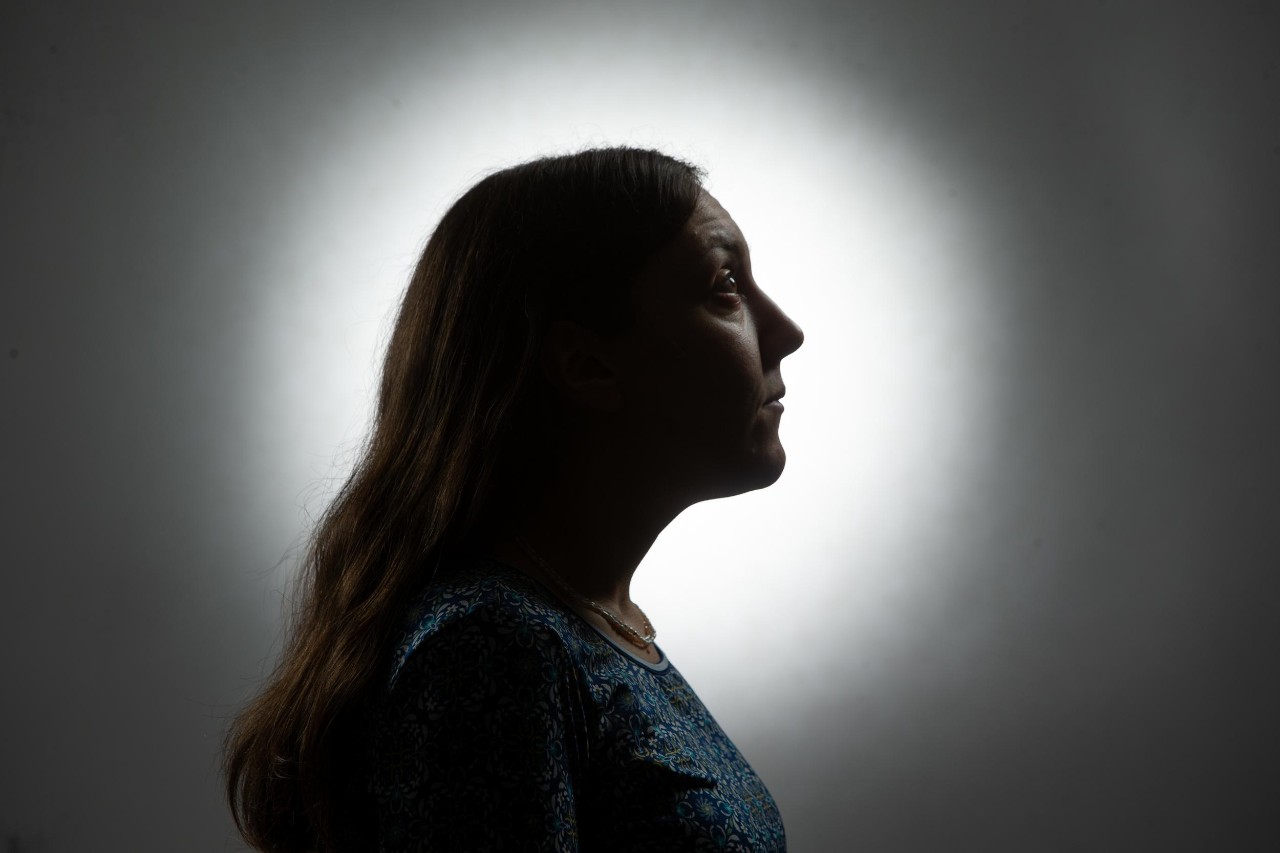
UC postdoctoral researcher Neşe Devenot. Photo/Andrew Higley/UC Marketing + Brand
Devenot works in UC's Institute for Research in Sensing, which explores sensing and sensor technology from both scientific and artistic perspectives.
Federal lawmakers have proposed legislation to expand access to psychedelic substances for medical purposes.
Devenot said psychedelics are getting more research attention.
“Some researchers look at this specifically as an experiential medicine, that there’s something about the experience that is therapeutic. That’s debated,” she told Spectrum News.
The Drug Enforcement Agency categorizes some psychedelics as Schedule I drugs, which criminalizes their use. Meanwhile, pharmaceutical companies are pursuing new medical treatments based on psychedelics.
Devenot said decriminalization would be a good step. Some studies have shown positive benefits to psychedelics for treatment of post-traumatic stress disorder or depression.
“Pyschedelics might help you get outside of those ruminative, fixated thought patterns to free you up to see yourself and your problems and relationship to the world in a different way,” Devenot said. “I think there's some truth to that.”
Watch the Spectrum News story.
Learn more about Devenot's work.
Featured image at top: UC postdoctoral researcher Neşe Devenot talked to Spectrum News about new legislation that could open up medical uses of psychedelics. Photo/Andrew Higley/
UC Marketing + Brand
Related Stories
Bidirectional link between oral, kidney health calls for patient education, access
August 4, 2026

Despite growing awareness of the connection between oral health and chronic health conditions, patient awareness and access to dental care remain limited, according to University of Cincinnati experts who recently spoke with Healio | Nephrology News & Issues.
UC-built detector at CERN looks for enticing evidence to explain dark matter
August 4, 2026
A physicist from the University of Cincinnati and his research partners from around the world conducted an experiment at CERN’s Large Hadron Collider in Switzerland to look for evidence that might help explain one of science’s most baffling questions: dark matter.
The subtle changes in hearing you should never ignore
August 4, 2026

It’s easy to dismiss changes in hearing as minor. But as The Washington Post recently reported, these symptoms could also signal a medical emergency that many people don’t recognize — known as sudden sensorineural hearing loss, a rapid decline in hearing that occurs suddenly or over a few days.