UC pathologist designs rapid technique for small biopsies
‘Keurig for specimen processing’ could lead to quicker diagnoses

A biopsy is literally a “glimpse of life,” and Paul Lee, assistant professor of clinical pathology in the University of Cincinnati College of Medicine, got an important one of those during his residency at the University of Massachusetts.
“I noticed a specific issue with the procedure for fixing and examining tissue samples to look for signs of cancer and other diseases,” Lee said. “And I had this idea.”

Paul Lee
Lee, who holds a PhD in chemistry as well as a medical degree, said he found the standard biopsy method, coupling large tissue processors with traditional embedding techniques, “slow and wasteful. It used huge amounts of solvent, massive paraffin blocks, and left doctors waiting up to seven hours for results.”
This is still largely how it’s done, he said, with “an enormous processor, gallons of solvent, and 300-500 dehydrated specimens embedded in blocks and then cut into slices for slides.” Worse than waste or expense, though, this process “prevents physicians from making same-day diagnoses unless they’re willing to destroy precious tissue.”
Lee calls his new technique simple, but it has the potential to bring rapid processing (“immediate reads,” as they’re called) much closer to reality.
“If that process can take just two hours, not overnight,” Lee said, “it becomes an inpatient procedure. Patients don’t have to go home, in some cases even to other states, and return for a surgery consult, then for surgery itself. And some might not return at all.”
Now, though, “All that can be arranged in a day or two. Patient care won’t be compromised, or lost to follow-up.”
Lee’s invention employs a disposable syringe and cuvette to do individual tissue tests, using small paraffin blocks and a combined embedding-fixing process for quick, accurate reads of small biopsies.
“Let’s say you’re making a cup of coffee,” Lee said. “If you made a whole carafe and only needed one cup, that’d be wasteful — of both time and resources. Think of this as Keurig for specimen processing.”
And when lives are in the balance — not only with aggressive forms of cancer but also liver, kidney and heart transplants — time, he said, is truly of the essence. “Days matter; hours matter.”
Let’s say you’re making a cup of coffee. If you made a whole carafe and only needed one cup, that’d be wasteful — of both time and resources. Think of this as Keurig for specimen processing.
Paul Lee UC assistant professor of clinical pathology
The method has other advantages, too, Lee said:
“It preserves tissue, doesn’t compromise the sample, so we can do ancillary tests to revalidate results," he said. "And with the disposable cuvette there’s no chance of cross-contamination. Plus it can be easily incorporated into existing infrastructure, doesn’t have to upset processes or workflow.”
Lee said the technique can be used by other researchers, too.
“I get requests all the times for various samples, and I have to put a lot of them off for human pathology tests.” Now, he said, “They can be their own processors, and not wait for results from another lab. It’s quicker for them too, and uses fewer resources.”
Lee and his team have successfully tested a prototype of the invention, and a patent is pending.
The Technology Transfer team is seeking partners to commercialize Lee’s technology. Those interested in further developing or licensing this discovery should contact the tech transfer team via techcomm@uc.edu.
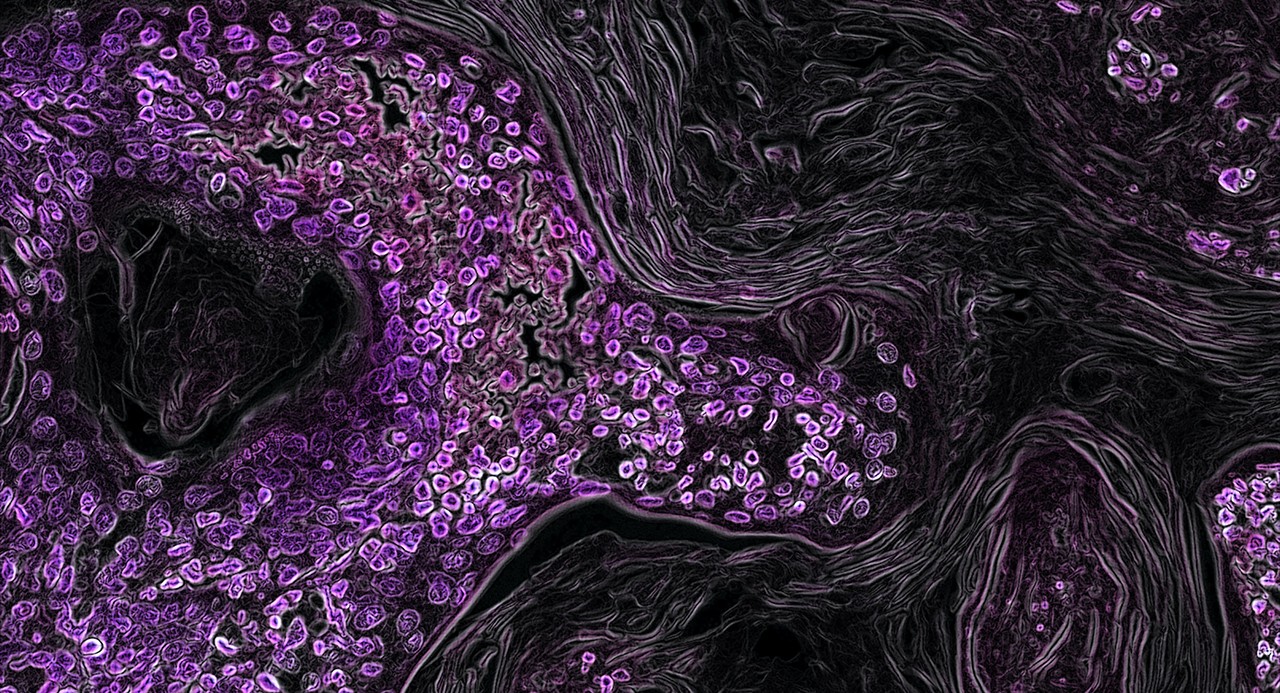
Featured image at top: Kras-Driven Lung Cancer. Created by Eric Snyder, 2015. Image used courtesy of the National Institutes of Health.
Innovation Lives Here
The University of Cincinnati is leading public urban universities into a new era of innovation and impact. Our faculty, staff and students are saving lives, changing outcomes and bending the future in our city's direction. Next Lives Here.
Related Stories
UC climbs to No. 3 in the nation for co-ops and internships in 2027 U.S. News rankings
September 22, 2026
In U.S. News & World Report’s 2027 Best Colleges rankings, the University of Cincinnati rises to No. 3 in the nation for co-ops and internships — No. 1 among public institutions — and posts gains in undergraduate business, computer science and psychology.
'Discovery, mentorship, momentum': UC College of Medicine's graduate programs celebrate year of success
September 22, 2026
From new mentorship honors to a growing research pipeline, see how the University of Cincinnati College of Medicine's graduate programs made this a standout year.
Tina Cheng, MD, receives American Academy of Pediatrics’ highest honor
September 22, 2026
UC Pediatrics chair Tina Cheng, MD, has received the American Academy of Pediatrics' highest honor for her decades of advancing child health.