UC researcher joins pediatric immunotherapy network
NCI-funded study is testing target to improve CAR-T treatment of pediatric brain tumors

Each year, approximately 200 to 300 children in the United States are diagnosed with diffuse midline gliomas (DMG), a tumor that begins in the brain or spinal cord.
The tumors cannot be removed through surgery due to their location in the brain, and current treatments are not effective and lead to a nearly zero percent survival rate.
The University of Cincinnati’s Timothy Phoenix is part of a multi-investigator collaborative team with St. Jude Children’s Research Hospital’s Stephen Mack, PhD, and Giedre Krenciute, PhD, that received a nearly $4 million National Cancer Institute (NCI) grant to study how to improve immunotherapy treatments for DMGs. The trio will test if using a single target can both weaken tumors and strengthen immune cells fighting the cancer, leading to more effective treatment.
CAR-T basics
Immunotherapy treatments train the body’s own immune cells to fight cancer, and Phoenix and his colleagues are studying a particular type of immunotherapy called CAR-T therapy. Immune cells called T-cells are harvested from a patient and then genetically modified to target cancer cells.
“When you put them back into the patient, those cells will go and try to find that target and then engage with them and try to kill the cancer cells,” said Phoenix, PhD, a University of Cincinnati Cancer Center researcher and associate professor in UC’s James L. Winkle College of Pharmacy. “In DMG patients, CAR-T-cell clinical trials have shown some promise in terms of there being some response from patients initially, but it has been variable and is usually not durable or a curative therapy.”
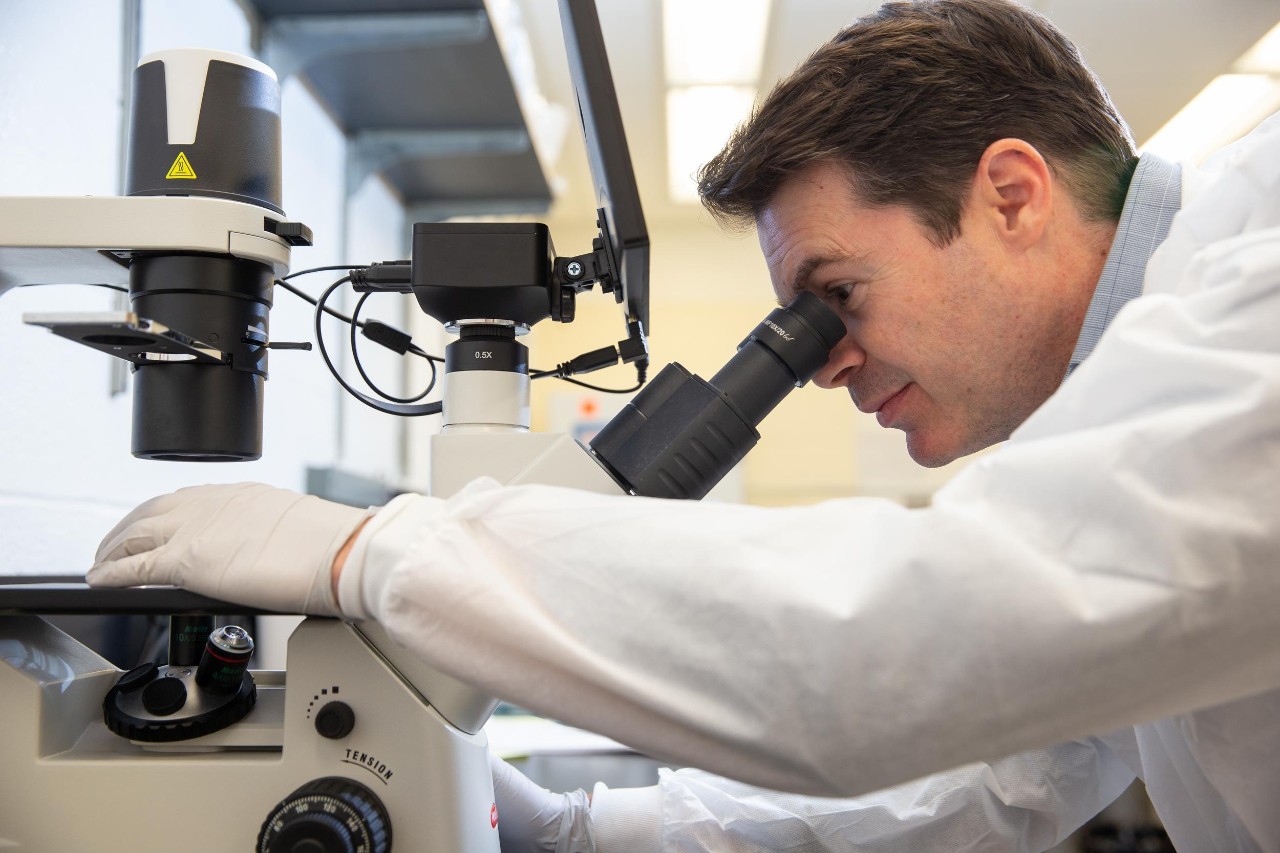
Tim Phoenix, PhD, and his colleagues at St. Jude are one of six research teams that make up the new National Cancer Institute Pediatric Immunotherapy Network. Photo/Andrew Higley/UC Marketing + Brand.
Research plan
When giving immunotherapy treatments, different tumors are referred to as being “hot,” meaning immune cells are present in the tumors, or “cold,” meaning immune cells are excluded from the tumor.
Phoenix said DMGs are thought to be cold, so one potential way to make CAR-T more effective is to “heat up” the tumor and make them more likely to attract immune cells. Prior work by St. Jude’s Mack found that inhibiting a process called DNA methylation in DMG cells could potentially make these tumor cells attract more immune cells, so the team is testing if this happens with different DMG models.
“There is very little known about how immune cells interact with brain tumors, and even less is known about how changes in these interactions impact immunotherapies like CAR-T cells,” Phoenix said. “Would CAR-T cells be more attracted to the tumor, and would it improve their ability to kill tumor cells?”
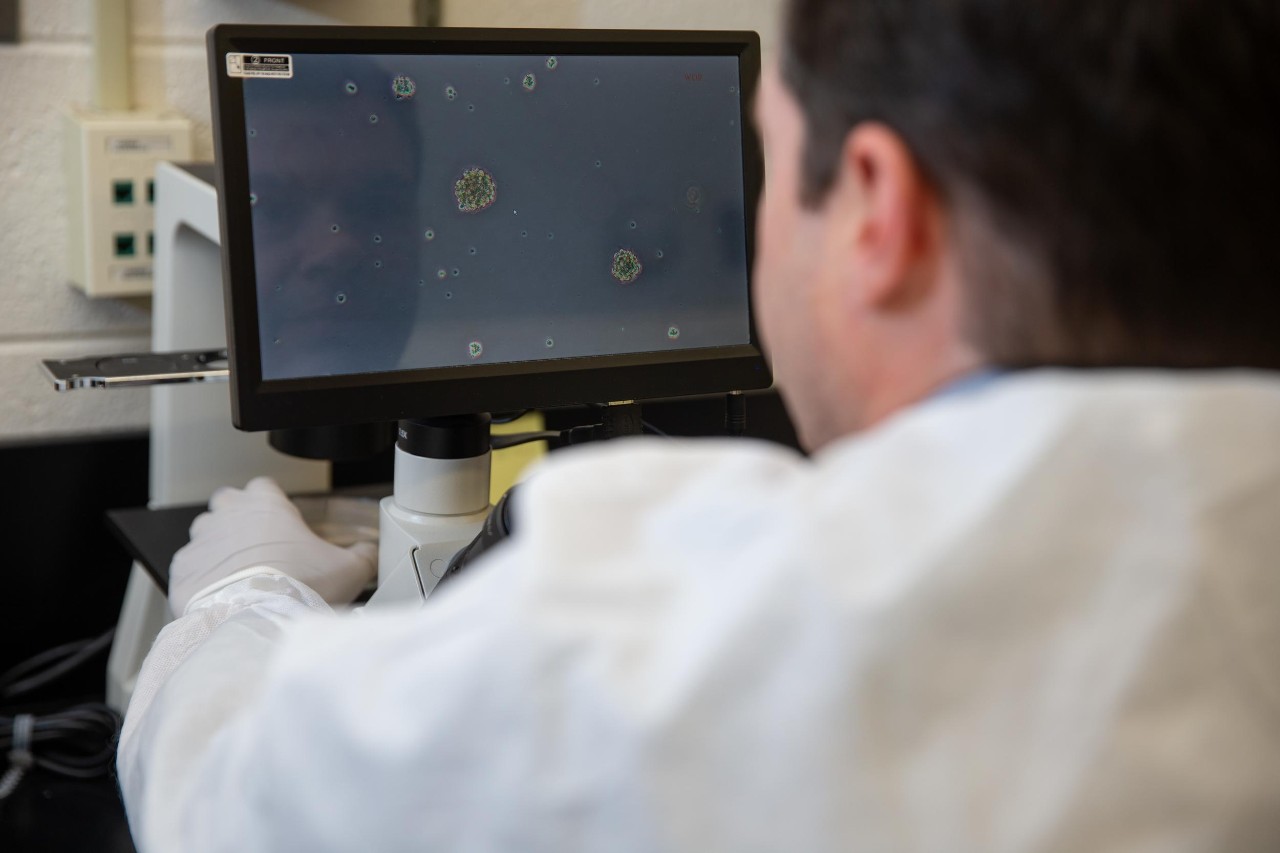
Phoenix has developed unique DMG animal models the team will use to test how targeting DNA methylation affects DMG and CAR-T cells. Photo/Andrew Higley/UC Marketing + Brand.
Another issue with CAR-T therapy is that the immune cells quickly become exhausted and no longer work. St. Jude’s Krenciute has found blocking DNA methylation in the T-cells gives them more endurance and makes them more effective for longer, meaning inhibiting DNA methylation may not only be beneficial in tumor cells but also in CAR-T cells.
UC’s Phoenix has developed unique DMG animal models the team will use to test how targeting DNA methylation affects DMG and CAR-T cells.
“If you put it all together, now you have a single target (DNA methylation) in two different populations of cells,” Phoenix said. “Targeting it in tumor cells could change the microenvironment and make it more attractive to immune cells coming in, and targeting it in the CAR-T-cells themselves could make them work better. Combining both together has the potential to supercharge things, we hope.”
According to Phoenix, it is not common for a single target to both weaken a tumor and improve the treatment.
“This is something that is relevant for a lot of drug targets but people only tend to look at one cell of interest,” he said. “This is why a larger collaborative team is really necessary. Having multiple groups with unique expertise working together gives us the ability to view these topics with different perspectives and strengthens the overall science.”
Pediatric Immunotherapy Network
This research project is one of six that make up a new NCI Pediatric Immunotherapy Network, an initiative that aims to address current challenges in pediatric immuno-oncology and accelerate the development of effective immunotherapies for pediatric solid tumors.
The network is an expansion of a previous pediatric immunotherapy research collaboration funded by the U.S. National Cancer Institute’s Cancer Moonshot, a program that marshals resources across the federal government to speed progress in cancer research and lead to improved cancer prevention.
All of the researchers that make up the network recently met at NCI headquarters for a kickoff meeting and will continue to meet to share scientific data, ideas and resources to promote collaboration and maximize the impact of each project.
“It’ll be great to interact with these other world-class research teams in the [network] and receive feedback as we continue with this project,” Phoenix said. “In the first meeting we were already discussing ways to interact and collaborate between groups. I’m excited our team is part of [this] and has this opportunity to contribute towards improving outcomes for patients.”
Impact Lives Here
The University of Cincinnati is leading public urban universities into a new era of innovation and impact. Our faculty, staff and students are saving lives, changing outcomes and bending the future in our city's direction. Next Lives Here.
Research reported in this publication was supported by the National Cancer Institute of the National Institutes of Health under Award Number 1U01CA281823-01. The content is solely the responsibility of the authors and does not necessarily represent the official views of the National Institutes of Health.
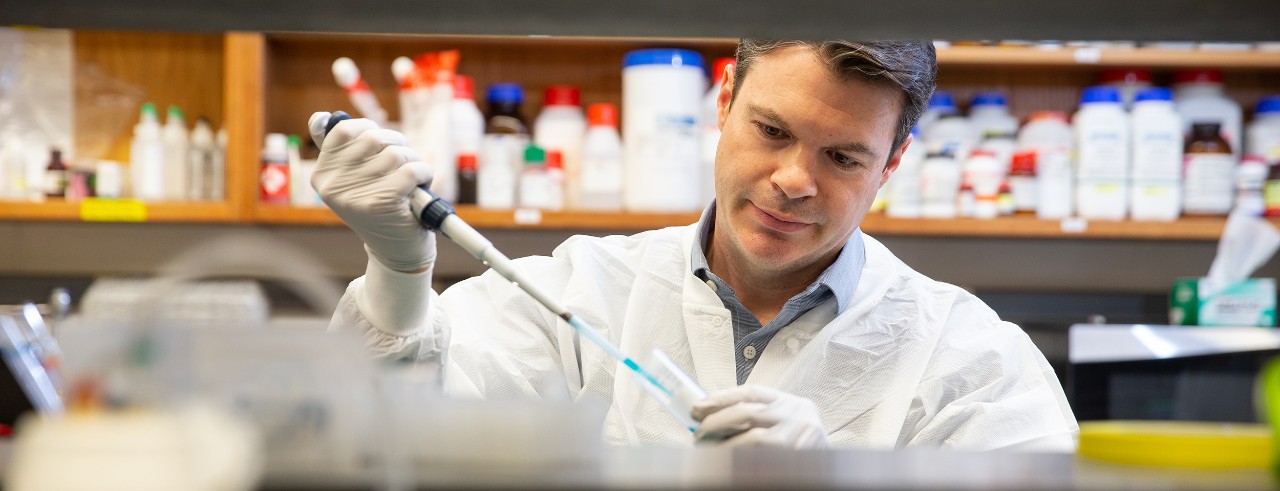
Featured photo at top of Phoenix working in his lab. Photo/Andrew Higley/UC Marketing + Brand.
Related Stories
Unlike many parents, children are fearless around AI
September 23, 2026
Researchers at the University of Cincinnati found that children ages 5-10 are enthusiastic about playing with new AI toys but also tend to believe what the AI tells them. Their embrace of AI contrasts with concerns expressed by some of their parents.
Is Cincinnati building new homes fast enough?
September 22, 2026

Gary Painter, professor and academic director of the Real Estate Center at UC's Lindner College of Business, offers comments on affordability issues in Cincinnati.
'Discovery, mentorship, momentum': UC College of Medicine's graduate programs celebrate year of success
September 22, 2026
From new mentorship honors to a growing research pipeline, see how the University of Cincinnati College of Medicine's graduate programs made this a standout year.