UC Visiting Writers Series returns featuring fiction, poetry
Enjoy public readings from authors and poets through April
The University of Cincinnati’s Creative Writing Program continues its Visiting Writers Series this week, bringing the public and the UC community together with several distinguished authors and poets.
This series takes place every semester at UC, sponsored by the Department of English in UC's College of Arts and Sciences and the Elliston Poetry Room. The spring lineup includes notable authors Gwen E. Kirby, Brenda Peynado, Liv Stratman and Bess Winter.
This literary event includes both fiction and poetry readings as well as a lecture from Brian Teare, the 2023 Elliston Poet-In-Residence. All readings are free and open to the public and can be observed in-person or real-time via Zoom.
“The Visiting Writers Series offers the chance to hear from a diverse and exciting array of contemporary voices," says Jennifer Habel, coordinator of creative writing.
"In addition to listening to these writers read from their work, students can meet them, ask questions and get their books signed. This semester the series also offers informative panels and lectures on topics such as publishing, literary agents, and ecopoetics,” she says.
Find out more about the Visiting Writers Series here.
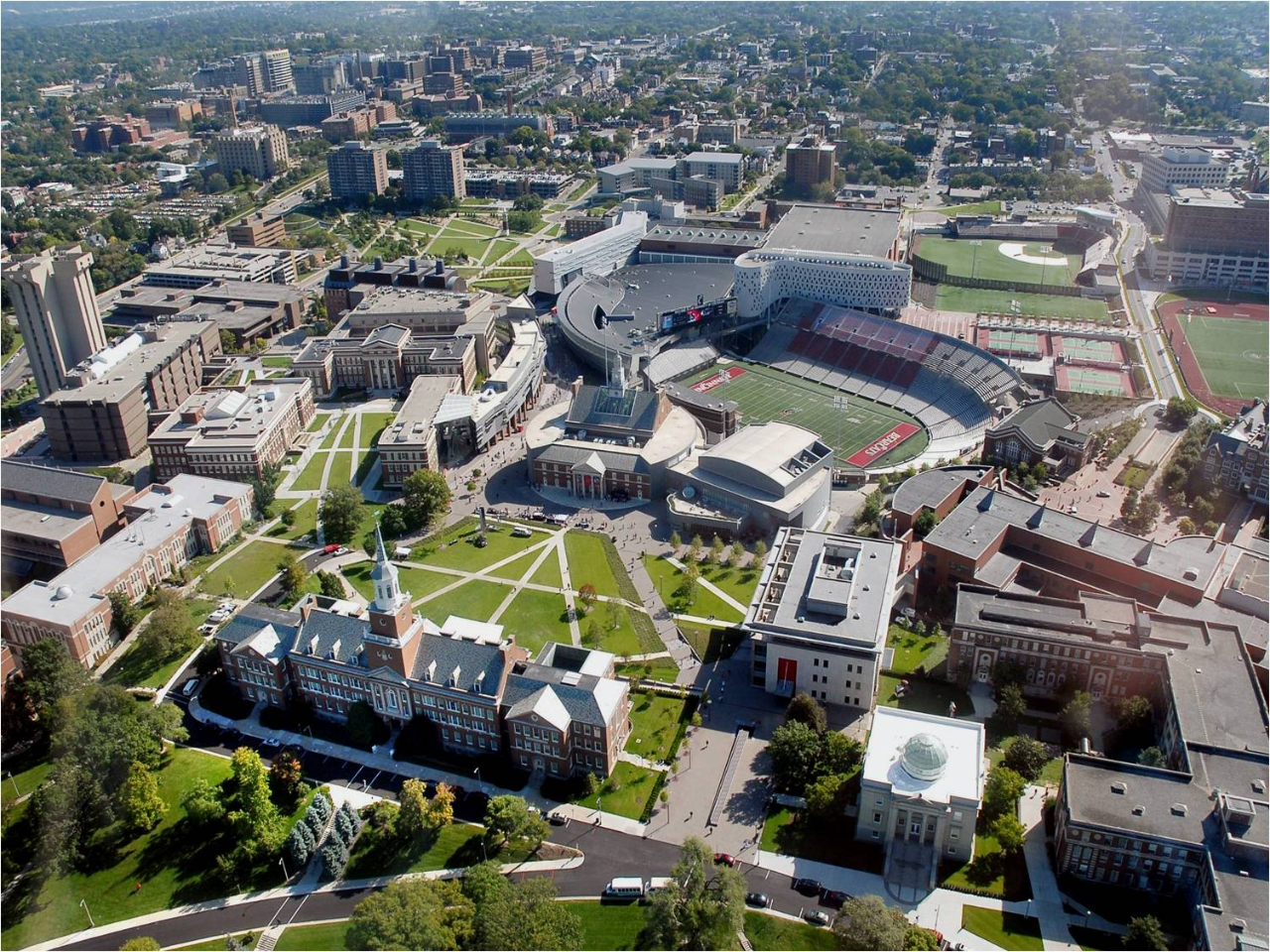
Featured image at top: Aerial view of UC's Uptown West campus.

Related Stories
Scholarships make first-gen student’s UC journey possible
September 17, 2026
Fall Campaign story 2026 - College of Arts and Sciences.
Parakeet males, females equally likely to fight
September 14, 2026
Researchers from the University of Cincinnati and Duke University studied captive monk parakeets and found that sex has little effect on who starts fights, who is targeted or who rises in the dominance hierarchy, as reported in Integrative & Comparative Biology.
UC part of $18 million statewide initiative to expand behavioral health workforce
September 14, 2026
The University of Cincinnati is part of Ohio’s $18 million Behavioral Health Scholarship Program, offering full in-state tuition to eligible social work, mental health counseling and clinical psychology graduate students who commit to serving underserved Ohio communities after graduation.