NUTR3040C: Global Food Systems, Health, and Society
A Sociopolitical and Culinary Exploration
Instructors: Francoise Kazmierczuk and Kimber Andrews
Why Take This Course?
What you'll do in this course:
- Embark on culinary lab experiences
- Discover the complex relationships between food, cultural practices, and global history and politics
- Learn about how food and community shape and define each other
Try this course if you:
- Are curious about how food traditions have changed around the world and across time
- Want to know more about industrial agriculture and food processing--or sustainable agricultural practices
- Are invested in the relationship between food and public health
Full Description
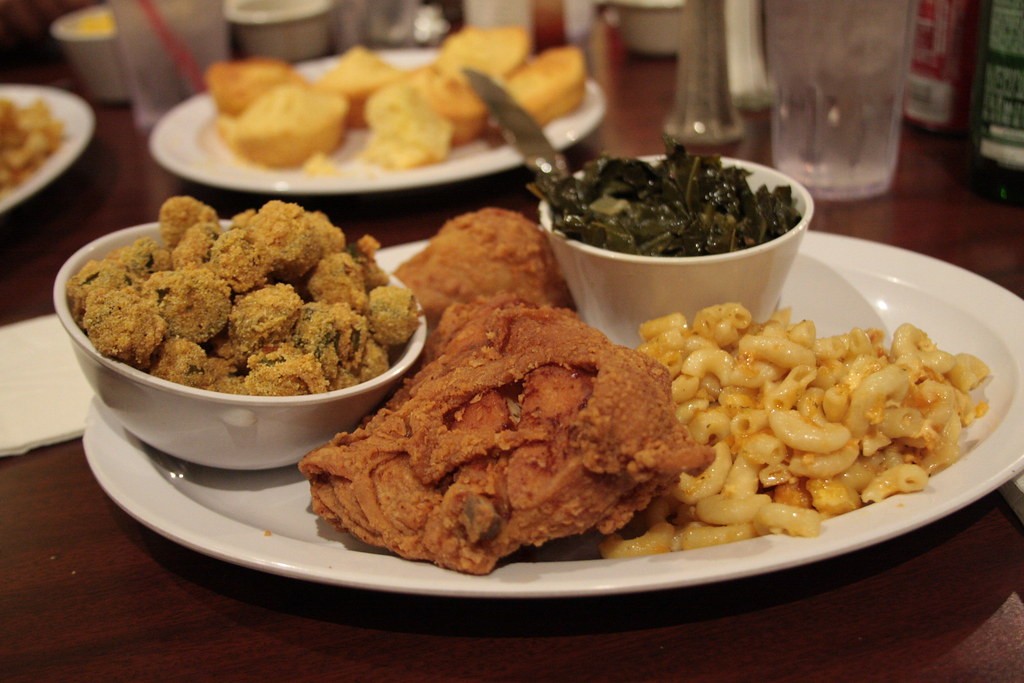
This course will enable students to explore and better understand the rich culinary history of the African diaspora and the impacts of slavery, colonization, voluntary migration, social movements, and protest on dietary patterns and health. The focus of this course is on the various pathways of African foods and cultural practices from the continent to what became the African Diaspora. Through service-learning and culinary lab experiences, students will explore the growth stages of Afro-diasporic foods as well as the tastes and smells from traditional African foods to North American Soul Food.
This course will enable students to explore and better understand the rich culinary history of the food systems around the world and the impacts of slavery, colonization, voluntary migration, social movements, and protest on dietary patterns and health. The focus of this course is on the complex relationships between food, health, policy, culture, and power within the United States and across the globe. Students will examine food access and insecurity in the United States, with particular attention to structural inequities, historical policies, and contemporary systems that contribute to disparities in food availability, quality, and health outcomes across communities. Building on this foundation, the course expands to global food systems, offering comparative perspectives from Mexico, Europe, Africa, and India. Through these case studies, students will explore how colonial histories, trade policies, globalization, climate change, labor systems, and cultural foodways shape regional diets and health outcomes. Attention will be given to both traditional food practices and the increasing global influence of ultra-processed foods, as well as community-led and policy-driven efforts to promote food sovereignty, sustainability, and nutrition security.
This course invites students to critically examine food systems as social, political, economic, and cultural structures that profoundly influence population health and health equity through community-engaged partnerships, Socratic seminars, and culinary lab experiences. Students will explore global food and U.S. food system, including the role of food commodities, industrial agriculture, and the influence of national and global agencies in shaping food production, regulation, and dietary guidance.